


 Eng
Eng 
 عربى
عربى

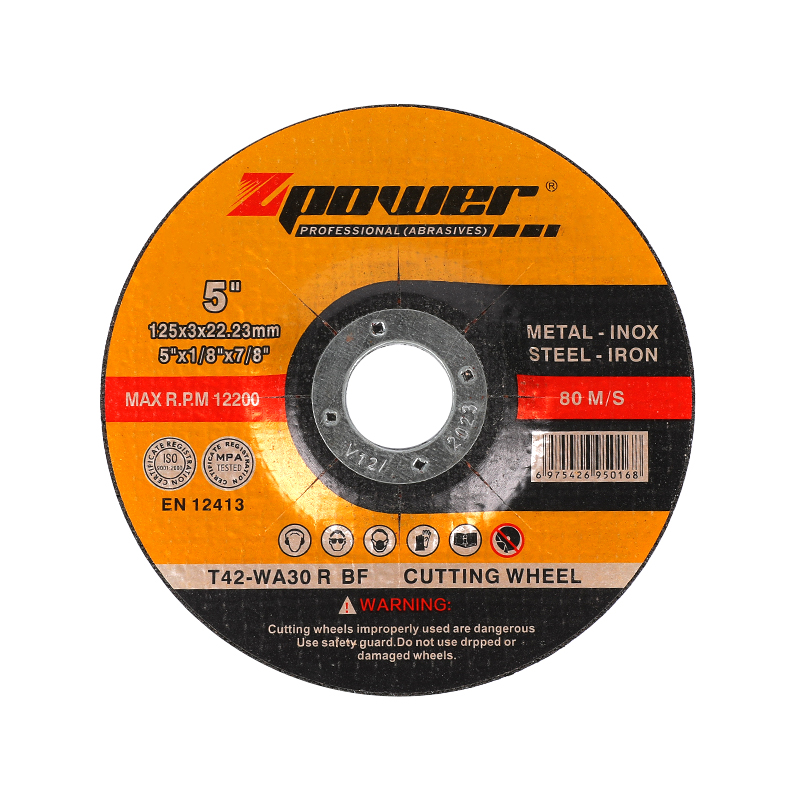
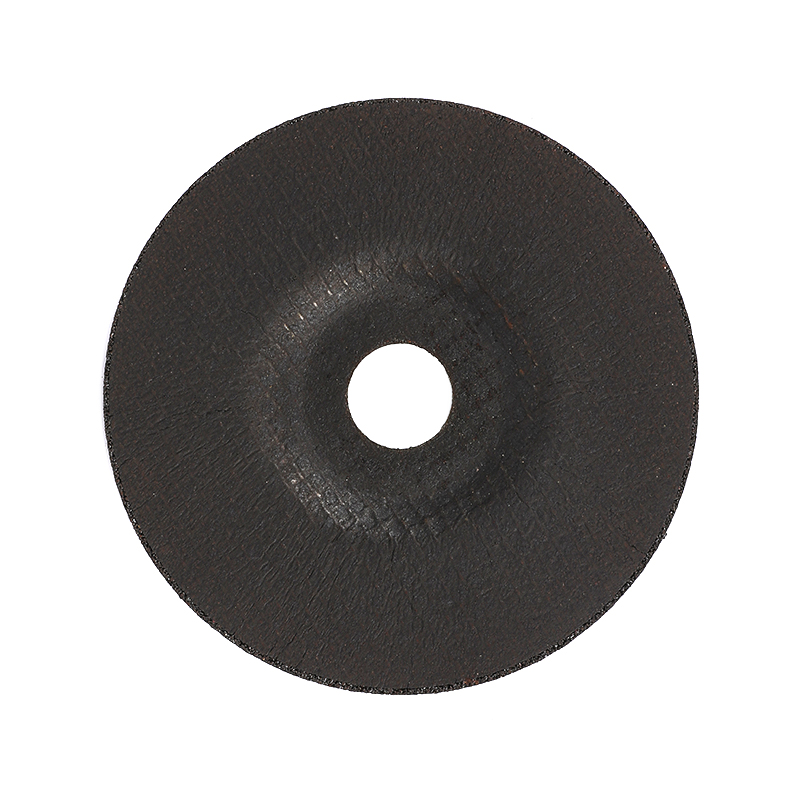
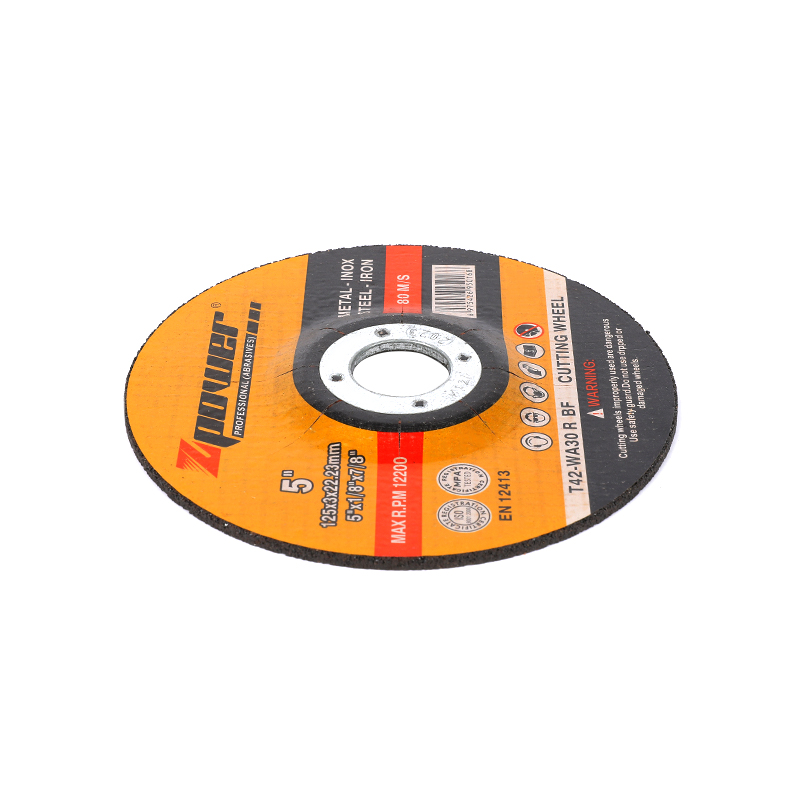
Cutting Wheel For Metal
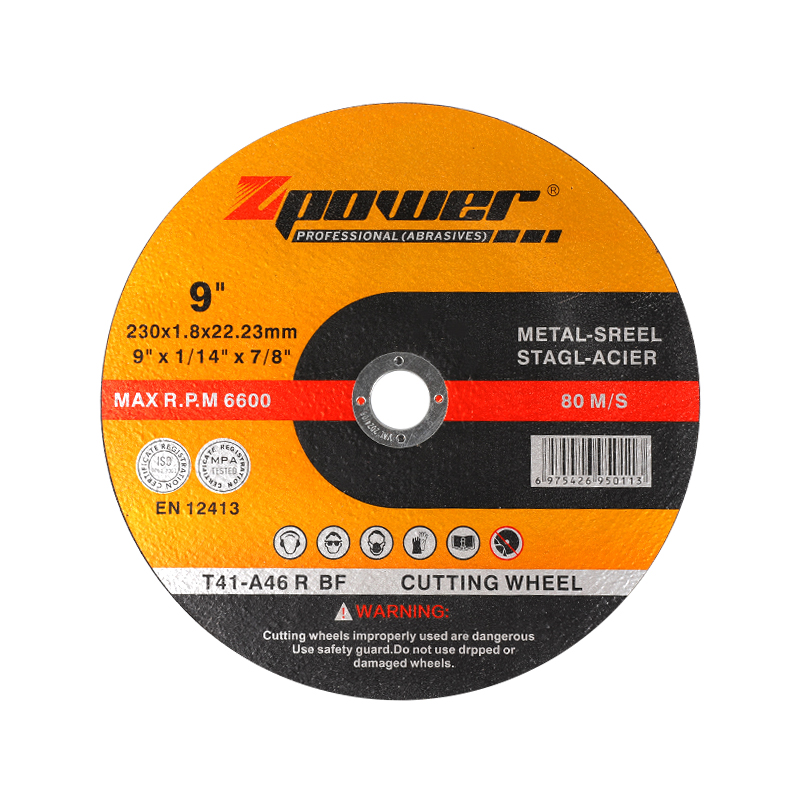
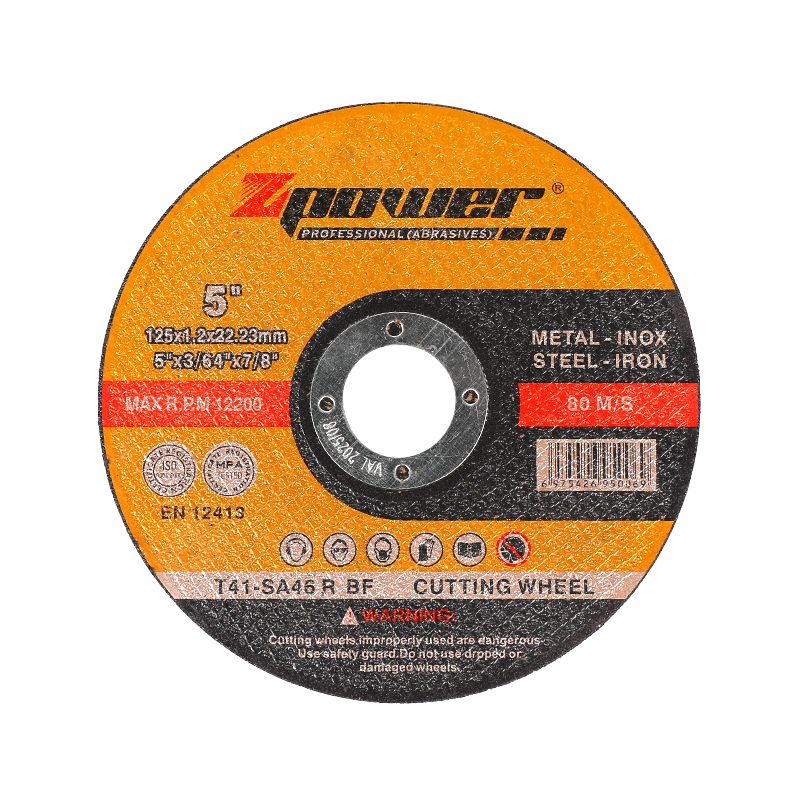
A cutting wheel for metal is a vital tool in metalworking and fabrication industries, designed to efficiently and precisely cut various types of metal materials. These wheels are crafted from abrasive materials and reinforced with fibers or resins to withstand the intense friction and heat generated during cutting. They come in different sizes, thicknesses, and compositions to suit specific cutting applications.
Composition and Materials
Abrasive Composition: Cutting wheels are primarily composed of abrasive grains bonded together with a matrix material. Common abrasives include aluminum oxide, silicon carbide, and zirconia alumina. Each abrasive type offers unique properties suited for different metals and cutting conditions.
Bonding Agents: The abrasive grains are held together by bonding agents such as resin, vitrified materials, or metal. Resin-bonded wheels are versatile and suitable for general-purpose cutting, while vitrified bonds offer good heat resistance, ideal for high-speed cutting operations.
Reinforcement: To enhance durability and safety, cutting wheels are often reinforced with fiberglass mesh or other materials. This reinforcement prevents the wheel from breaking under stress and reduces the risk of injury during use.
Types of Cutting Wheels
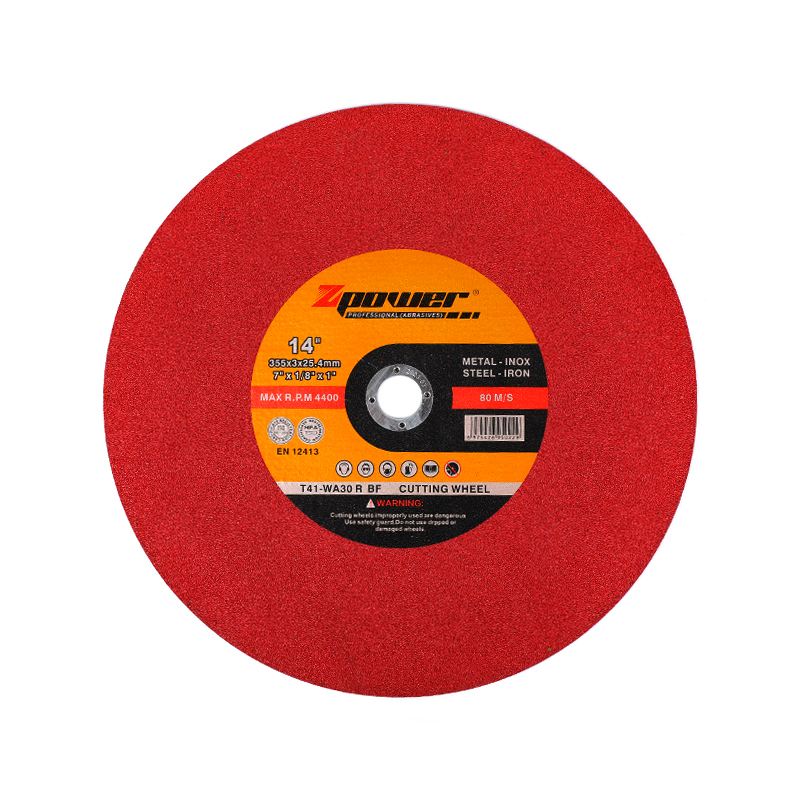
Thin Cut-Off Wheels: These wheels are ultra-thin and are used for precise cutting where fewer material loss is desired. They are ideal for sheet metal, tubing, and thin-walled profiles.
Depressed Center Wheels: Also known as raised hub wheels, these are designed for heavy-duty cutting and grinding applications. They feature a depressed center that allows for flush cutting and grinding on flat surfaces.
Diamond Wheels: For cutting hard metals such as stainless steel or alloys, diamond cutting wheels are. They offer hardness and wear resistance, making them suitable for demanding industrial applications.
Applications
Metal Fabrication: Cutting wheels are extensively used in metal fabrication shops for cutting steel, aluminum, brass, and other metals into various shapes and sizes.
Construction: In the construction industry, cutting wheels are used for tasks such as cutting rebar, metal pipes, and structural steel elements on-site.
Automotive Repair: Automotive technicians use cutting wheels to cut through metal components during repairs and restoration work on vehicles.
Factors Influencing Performance
Speed and Feed Rate: good cutting speed and feed rate ensure efficient material removal without overheating the cutting wheel or the workpiece.
Wheel Diameter and Thickness: Choosing the right diameter and thickness of the cutting wheel ensures compatibility with the cutting machine and provides the necessary stability during cutting operations.
Safety Considerations: Proper handling, including wearing appropriate personal protective equipment (PPE) such as safety glasses and gloves, is crucial to prevent accidents and injuries.
Maintenance and Storage
Storage Conditions: Cutting wheels should be stored in dry, cool environments to prevent moisture absorption and premature degradation of bonding agents.
Inspection: Regularly inspect cutting wheels for signs of wear, damage, or cracks. Discard damaged wheels immediately to avoid safety hazards.
Proper Handling: Handle cutting wheels with care, avoiding impacts or dropping, which can compromise their structural integrity.
In conclusion, a cutting wheel for metal is an indispensable tool in various industrial sectors, offering precise, efficient, and safe cutting capabilities for a wide range of metal materials. Understanding the composition, types, applications, and maintenance requirements of cutting wheels is essential for optimizing performance, ensuring workplace safety, and prolonging the lifespan of these critical tools.

Specifications
|
Model |
125*3*22.23mm (5" x 1/8"x7/8") |
|
Packing |
150Pcs/ctn |
|
Carton Size |
37.5*20.8*27cm |
|
G.W. |
25kg |
|
N.W. |
24kg |
|
Cooperation Projects |
OEM/ODM |
|
Trademark |
Zpower/Free design trademark on behalf of processing |
|
Payment Method |
T/T, L/C, Trade Assurance |
|
Loading port |
Yiwu/Ningbo/Shanghai Port |
|
Sample |
Provide free samples not including shipping |
|
Delivery date |
15-45 days after receiving the deposit |
KEEP IN TOUCH
About Us

YONGKANG ZHENGBO ABRASIVES CO., LTD.
YONGKANG ZHENGBO ABRASIVES CO., LTD. is located in Yongkang, the hardware capital of China. It specializes in developing, producing, selling, and servicing wholesale Cutting Wheel For Metal exporter and Cutting Wheel For Metal supplier. It also operates flat abrasive cloth wheels, special fiber wheels, and steel wires: wheels and other abrasive products.
Established in 1995, the company has an annual output of more than 50 million grinding wheels. The company has a construction area of 12,000 square meters, more than 70 employees, and 10 R&D technicians. In the ups and downs of more than 20
years, step-by-step, down-to-earth, temper ourselves, develop and learn advanced production technology, improve the internal management system, keep pace with the times, and constantly seek to improve and improve product quality. Modern management, advanced
production technology, strict internal quality control, and timely after-sales service enable the company to respond to market changes, and customer demand, and provide the right products according to market and customer requirements. With a goal of 100 years of enterprise, Zhengbo is committed to technical research, product quality improvement, advanced production equipment updates, and the development of
suitable, cost-effective new products for market demand, we put more promotion funds into product research and development, to better quality and better service to the majority of users.
l am attentive, you can rest assured! Zhengbo Company adheres to the quality policy of “safe and efficient, quality and quantity, development and innovation, customer reassurance”, and establishes the concept of“realizing value for customers, development of customers is the development of enterprises", with“stable, honest, honest, and versatile”. "innovation, enterprising" is the spirit of enterprise, and constantly provides customers with reliable and valuable products. Provide OEM, ODM production, and OEM.
News
-
Grinding wheels and sanding discs may both work with angle grinders, yet their construction and working behavior are quite different. A bonded grinding wheel uses abrasive grains held together through...
READ MORE -
Cutting disc thickness affects kerf width, material removal, cutting feel, and disc durability. A thin disc can move through sheet metal with relatively little material loss, while a thicker wheel pro...
READ MORE -
Metal surfaces can vary greatly in hardness, ductility, heat sensitivity, and finishing requirements. Carbon steel may require aggressive stock removal, while stainless steel needs better heat control...
READ MORE -
Heavy grinding operations require more than aggressive material removal. In industries such as metal fabrication, machinery manufacturing, shipbuilding, and repair workshops, operators need abrasive t...
READ MORE

Quick Links
 Home
Home
About us
 +86-13967457388/ +86-0579-87320615
 No. 49, Weitai Road, Phase II, Zhiying, Yongkang, Jinhua City, Zhejiang, China
Copyright © 2024. YONGKANG ZHENGBO ABRASIVES CO., LTD. All rights reserved.
Aluminum Grinder Blade Factory
