


 Eng

 عربى


What Should Distributors Check Before Expanding Their Disc Range
 2026.10.30
 Industry News
Expanding an abrasive product range can help distributors serve more metalworking customers, but adding new disc specifications also introduces purchasing and inventory decisions. Different users may require accessories for steel cutting, stainless steel fabrication, weld preparation, or surface finishing. At Zhengbo, we recommend evaluating customer demand, equipment compatibility, product documentation, and supplier support before adding new items to a catalogue. A structured approach helps distributors build a product range that reflects actual market requirements rather than accumulating similar products with little distinction.
Our approach to angle grinder cutting disc for metal focuses on helping buyers define the applications and specifications their customers need. The following points provide a practical framework for reviewing a potential range expansion.
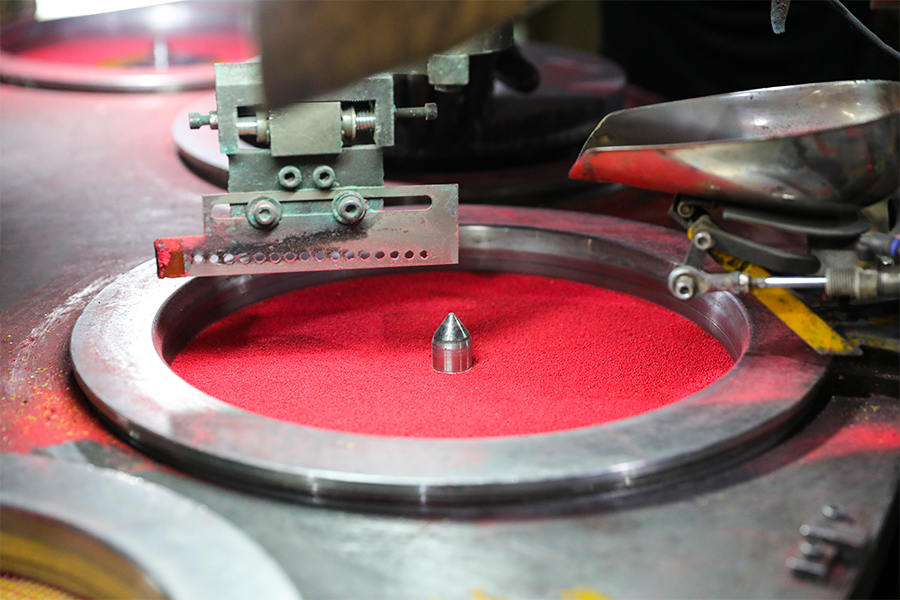
1. Review Customer Demand Before Adding New Sizes
Distributors should start by examining sales records, customer inquiries, and the types of metal fabrication projects common in their markets. This information can reveal gaps in the existing catalogue and help identify which products deserve a trial order.
- Common disc diameters: Review demand for sizes such as 115 mm, 125 mm, 180 mm, and 230 mm, then confirm which sizes match customers' angle grinders.
- Material requirements: Determine whether customers primarily cut carbon steel, stainless steel, or other specified metals.
- Application differences: Separate light fabrication work from demanding industrial cutting tasks.
- Order patterns: Review repeat purchases and seasonal demand to estimate a reasonable initial inventory allocation.
Sales data should guide the initial product shortlist, but distributors should also consider feedback from workshops and industrial purchasing teams. A product with a clear application and an identifiable customer group is easier to position than an additional specification that duplicates existing stock.
2. Build a Range Around Distinct Applications
A useful disc catalogue should offer meaningful differences in application, dimensions, and abrasive construction. Adding several nearly identical products may increase inventory complexity without giving customers a clear reason to purchase another item.
Distributors can review their range across these categories:
- General steel cutting: Standard cutting discs for compatible carbon steel workpieces and routine fabrication tasks.
- Stainless steel cutting: Products specifically rated for stainless steel, including any relevant restrictions on iron, sulfur, or chlorine content.
- Thin-section cutting: Appropriate thin discs for sheet metal and thin-wall profiles, subject to the manufacturer's specifications.
- Larger cutting applications: Discs suited to compatible larger grinders and workpieces, with matching dimensions and speed ratings.
Cutting discs should remain distinct from grinding wheels. Cutting accessories are designed for cutting operations, while grinding wheels are intended for material removal and surface work according to their construction. Distributors should avoid recommending a product outside its stated application.
3. Confirm Technical Specifications Across the Range
Consistent specification records make catalogue management and customer support easier. Before approving a new item, distributors should confirm the details that affect compatibility, product performance, and safe operation.
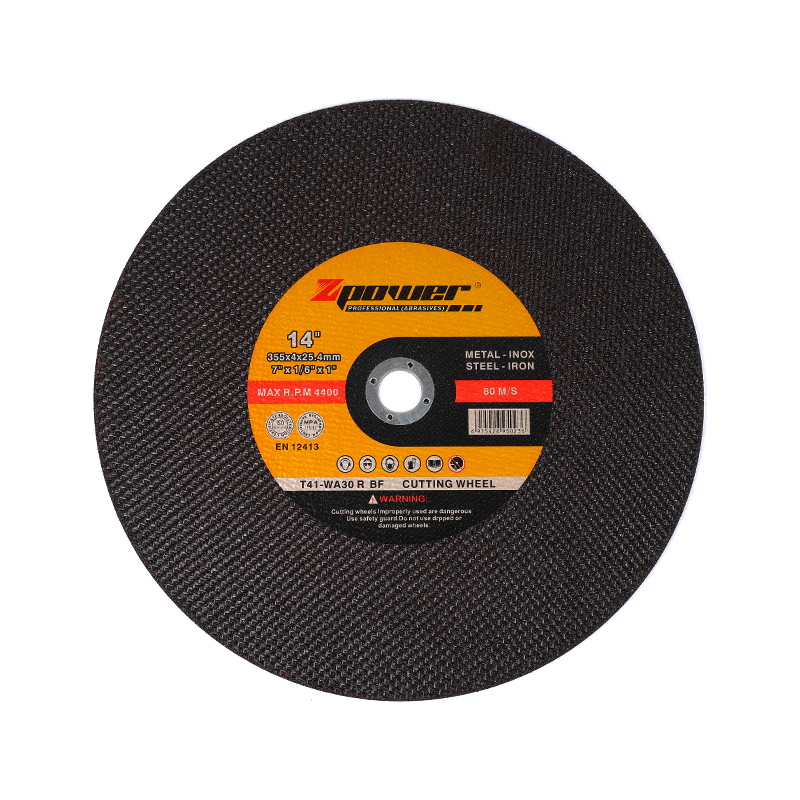
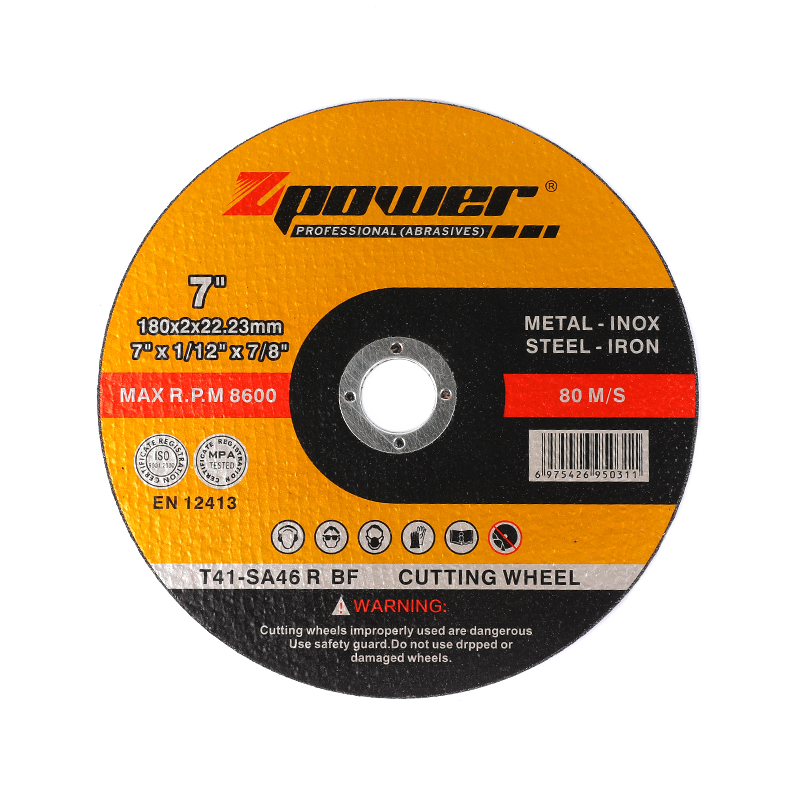
- Dimensions: Record outside diameter, thickness, and bore size for every product code.
- Abrasive composition: Confirm the intended workpiece material and the applicable abrasive grain and bond specification.
- Maximum operating speed: Verify the disc rating against the intended machine. The machine's rated no-load speed must not exceed the disc's maximum permitted speed.
- Product type: Confirm the disc shape and intended operation so cutting products are not confused with grinding accessories.
- Labeling: Check that the product identification, application information, and required safety markings are clear.
For example, a distributor considering a 125 × 1.0 × 22.23 mm disc should verify that the quoted product actually matches those dimensions and is suitable for the intended machine and material. A nominal size alone does not establish full compatibility.
4. Evaluate Supplier Quality and Documentation
Product range expansion also increases the importance of supplier consistency. Distributors need confidence that the specifications approved during sampling will correspond with the products supplied in later orders.
At Zhengbo, we recommend discussing the following points with suppliers before adding a new product family:
- Availability of technical data sheets and clear product specifications.
- Applicable safety standards and supporting conformity or test documentation.
- Inspection procedures for dimensions, appearance, and relevant product characteristics.
- Batch identification and procedures for investigating quality complaints.
- Packaging, private-label options, and labeling requirements for the destination market.
Documentation should relate to the specific product and market requirements. For example, EN 12413 may apply to bonded abrasive products, depending on the product category. Buyers should verify the relevant standard and documentation rather than assuming that a certificate for one item covers an entire catalogue.
5. Calculate the Inventory and Commercial Impact
New products can create additional stockholding costs, so distributors should assess the commercial implications alongside technical suitability. A broader range is useful only when its expected demand and purchasing conditions justify the added complexity.
- Stock allocation: Estimate demand for each size and application before distributing inventory across multiple specifications.
- Packaging quantities: Confirm units per box, boxes per carton, carton dimensions, and shipping weight.
- Landed cost: Include product price, freight, import charges, warehousing, and other relevant expenses.
- Replenishment planning: Discuss production schedules, reorder procedures, and stock availability with the supplier.
- Private labeling: Check artwork requirements, packaging arrangements, and any production conditions attached to customized orders.
Distributors can begin with a controlled market trial, monitor sales and customer feedback, and adjust future purchasing quantities according to actual results. This approach provides useful commercial evidence before a wider rollout.
6. Use Sample Testing to Validate New Products
Before introducing an unfamiliar disc specification, distributors should arrange an appropriate sample evaluation. Tests should use compatible equipment, representative workpieces, and consistent operating conditions. Relevant observations may include cutting behavior, cut quality, wear, and dimensional conformity.
Record the test results against agreed acceptance criteria and retain the approved specification for future comparisons. All testing must follow the manufacturer's instructions and applicable safety requirements. Samples should never be used beyond their rated operating conditions.
How Zhengbo Supports Disc Range Planning
At Zhengbo, we understand that distributors need a clear relationship between product specifications, customer applications, and purchasing requirements. Reviewing demand, confirming technical details, evaluating samples, and discussing quality documentation can help buyers make more informed range-expansion decisions.
Contact Zhengbo through cuttingdiscfactory.com to discuss your abrasive disc requirements, target markets, preferred specifications, and packaging needs. With a clearly defined product plan, distributors can develop a catalogue that serves identifiable customer requirements while keeping inventory and supplier management under control.

Quick Links
 Home
About us
 +86-13967457388/ +86-0579-87320615

 No. 49, Weitai Road, Phase II, Zhiying, Yongkang, Jinhua City, Zhejiang, China

Copyright © 2024. YONGKANG ZHENGBO ABRASIVES CO., LTD. All rights reserved.
Aluminum Grinder Blade Factory
