


 Eng
Eng 
 عربى
عربى
 Home / News / Industry News / Grinding Wheels vs. Sanding Discs: Which Finish Does Your Process Require
 Grinding Wheels vs. Sanding Discs: Which Finish Does Your Process Require
 2026.10.16
 Industry News
Metal fabrication rarely ends once a workpiece has been cut to size. Weld seams may need leveling, sharp edges require treatment, and visible surfaces often need preparation before painting, coating, or assembly. At Zhengbo, we understand that choosing the right abrasive depends on the amount of material to remove and the surface condition required for the next production stage. Grinding wheels and sanding discs serve different purposes, and understanding these differences helps buyers define their purchasing specifications more accurately.
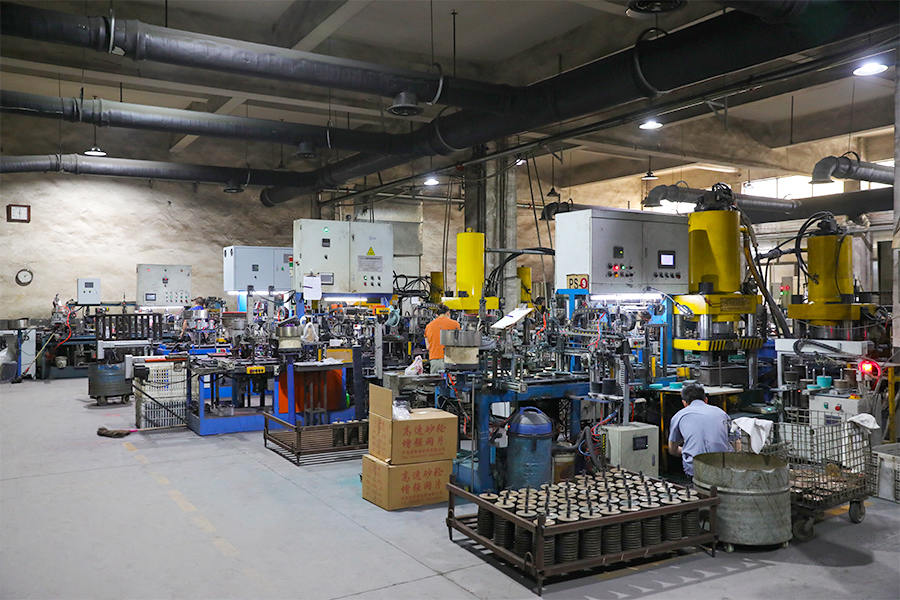
1. Understand the Main Differences Between Grinding and Sanding
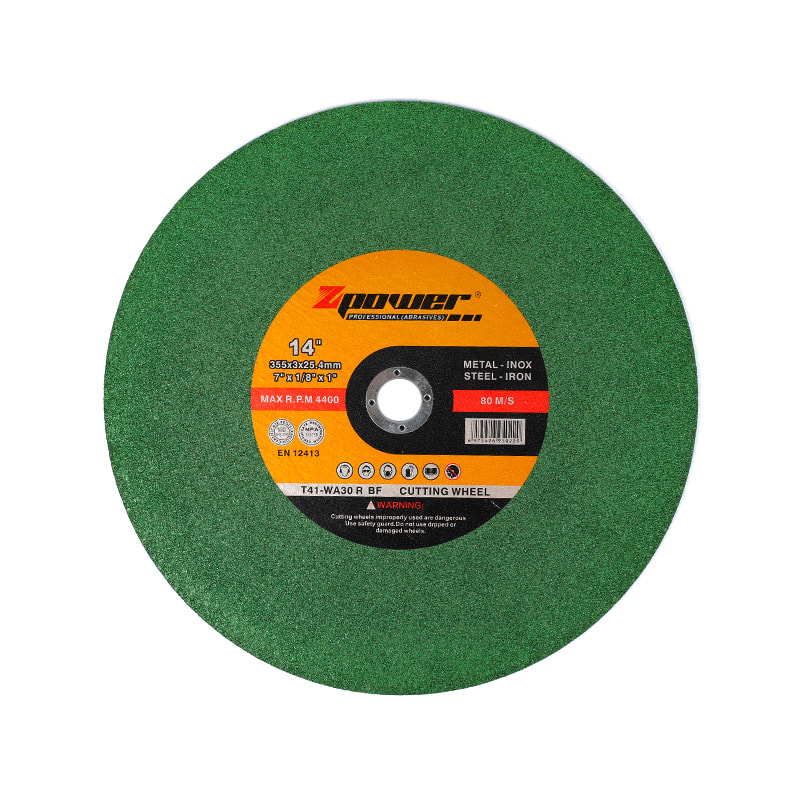
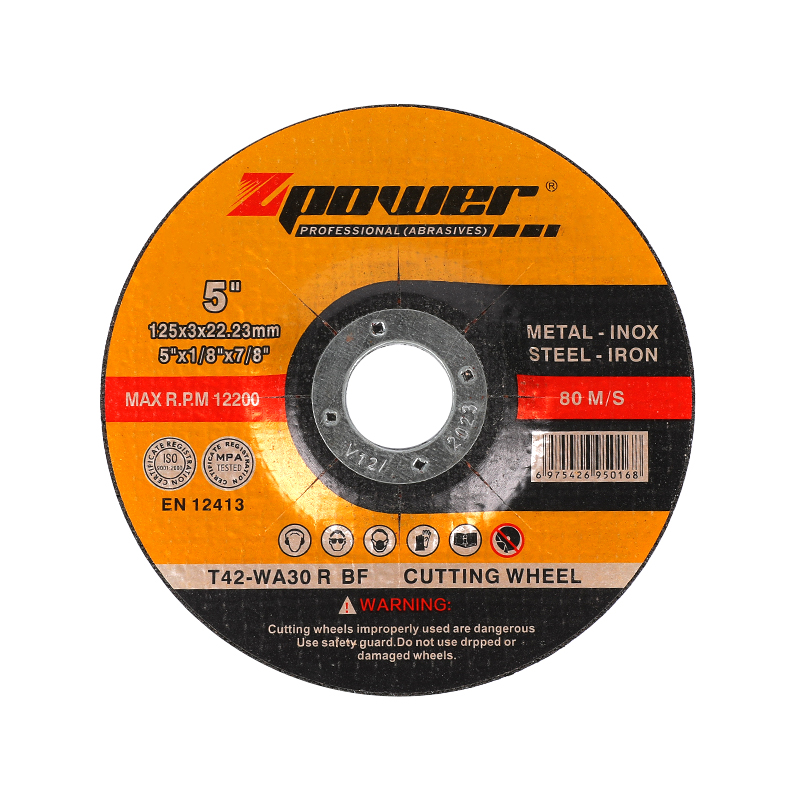
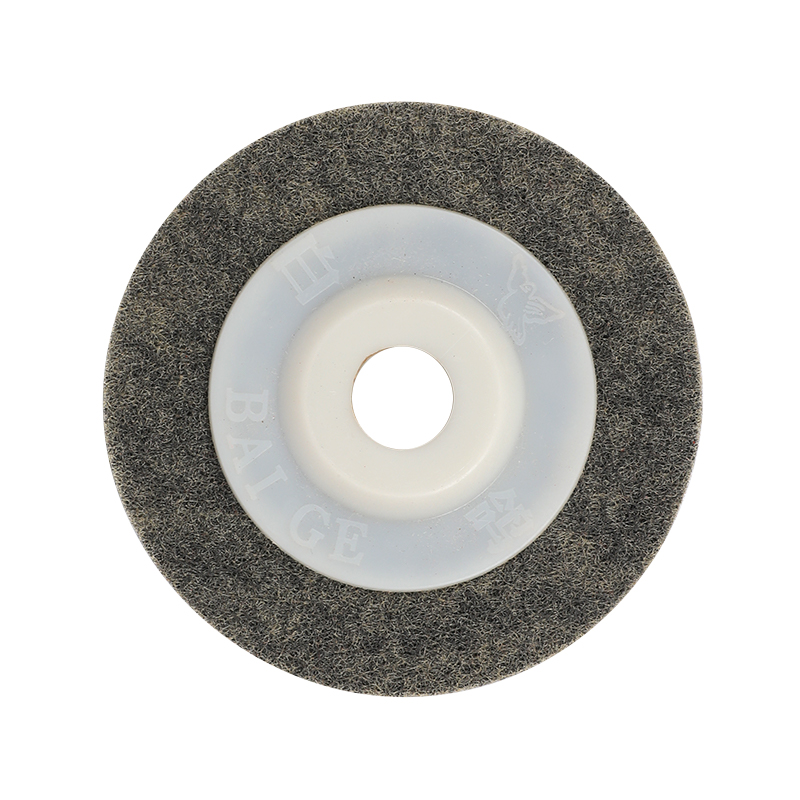
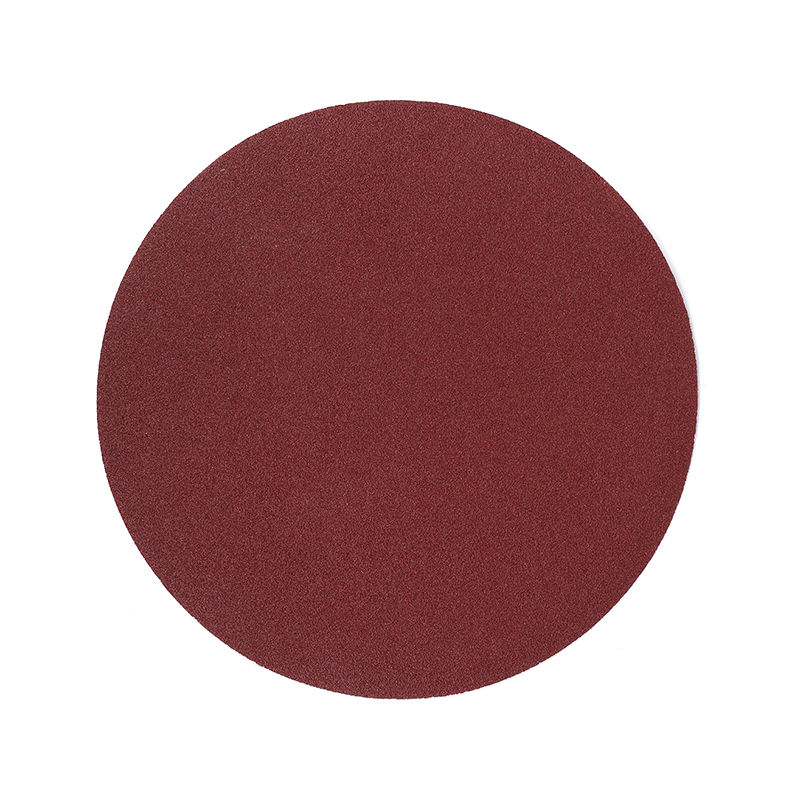
The main distinction between grinding wheel sanding discs is their construction and intended application. Bonded grinding wheels contain abrasive grains held together by a bonding system. Sanding discs generally use abrasive grains attached to a backing material, which may be paper, cloth, film, or another suitable substrate.
- Grinding wheels: Suitable for substantial material removal, weld leveling, edge shaping, and rough surface preparation.
- Sanding discs: Suitable for refining surface texture, reducing scratches, preparing surfaces for coatings, and performing controlled finishing operations.
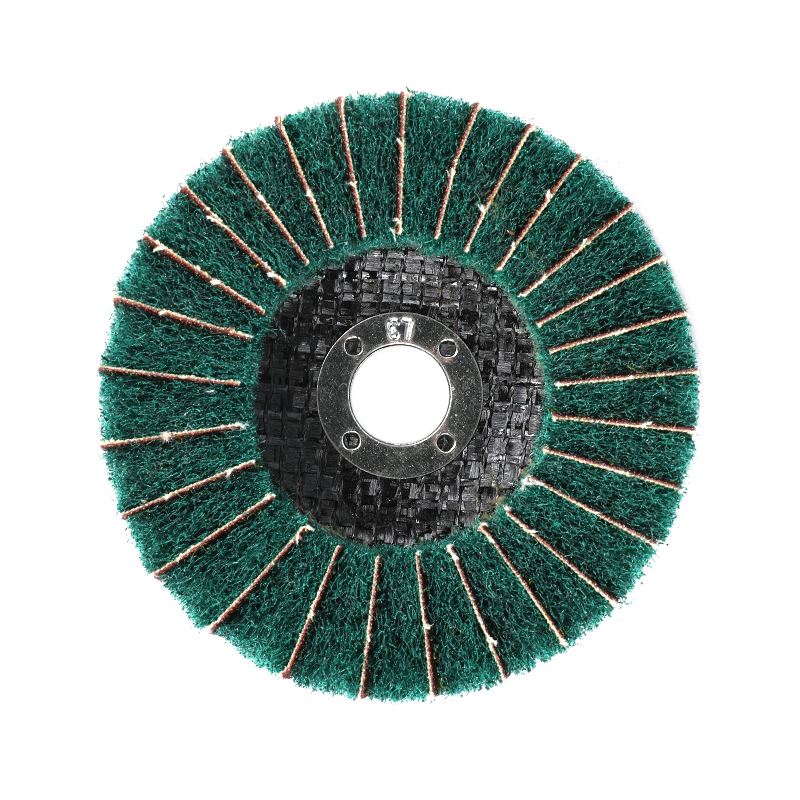
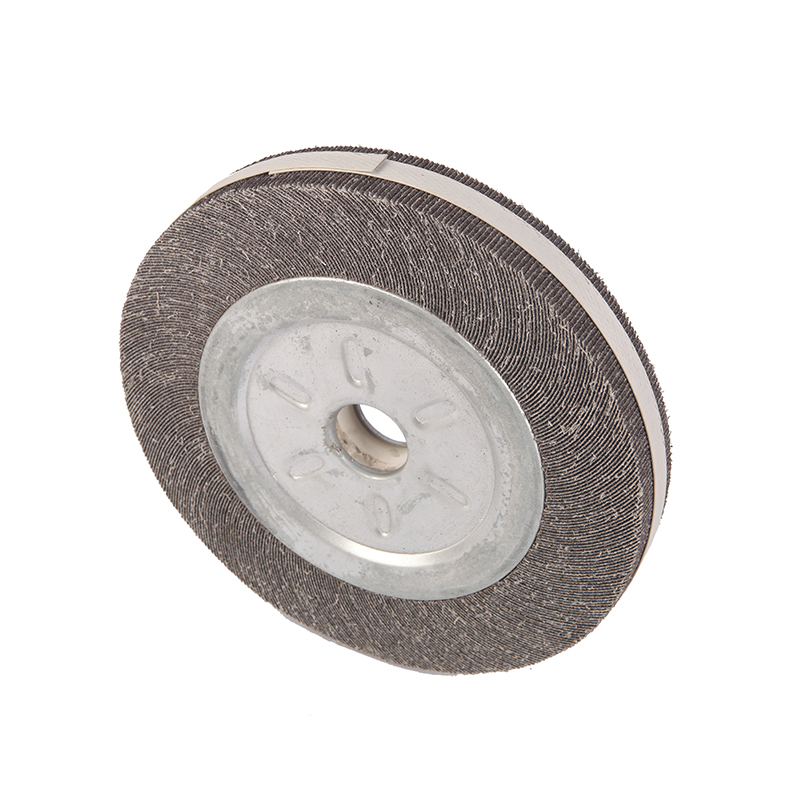
- Flap discs: Provide an intermediate option for weld blending, deburring, and surface refinement, depending on abrasive grade and construction.
These products should not be treated as interchangeable simply because they may be used with related power tools. The intended operation, disc construction, mounting system, and rated operating speed must all match the application.
2. Match the Abrasive to the Required Surface Finish
Buyers should define the expected result before confirming a product specification. A surface intended for heavy fabrication may tolerate visible grinding marks, while a component prepared for a decorative coating may require a finer and more uniform texture.
Applications that suit grinding wheels
- Removing excess weld material from suitable steel components.
- Shaping metal edges and correcting localized surface irregularities.
- Removing substantial material before a secondary finishing process.
Applications that suit sanding discs
- Reducing scratches left by earlier abrasive operations.
- Preparing metal surfaces for primer, paint, or protective coatings.
- Refining the appearance of panels and other visible components.
The required finish also depends on the workpiece material, contact pressure, machine settings, and abrasive grain. A finer grit generally creates a finer scratch pattern, but the final result still depends on the complete process. Buyers should confirm the required surface condition through practical testing rather than relying on grit numbers alone.
3. Build a Practical Abrasive Process for Metal Fabrication
Some manufacturing operations require several abrasive stages instead of a single disc. A staged process allows each product to perform a defined task without expecting a rough-grinding accessory to deliver a finished surface.
A typical sequence for suitable metal components may include:
- Stage 1 — Grinding: Remove excess weld material or correct major surface irregularities with a wheel designed for the operation.
- Stage 2 — Blending: Use an appropriate flap disc or intermediate abrasive to smooth transitions and reduce prominent grinding marks.
- Stage 3 — Sanding: Apply a suitable sanding disc to refine the scratch pattern and prepare the surface for its next treatment.
This sequence is an example rather than a universal prescription. Thin sheet metal, stainless steel, aluminum, and decorative components may require different abrasive grades and process controls. The abrasive must also be compatible with the material and any subsequent coating requirements.
4. What Should Buyers Confirm Before Ordering?
At Zhengbo, we recommend confirming the technical and commercial details that determine whether an abrasive product fits the intended process. Clear specifications also make supplier quotations and sample comparisons easier to evaluate.
- Workpiece material: Identify the metal type and any special surface requirements.
- Disc dimensions: Confirm diameter, thickness where applicable, bore size, and mounting method.
- Abrasive grade: Specify the required grain type and grit according to the removal task and finishing target.
- Equipment compatibility: Verify the tool, accessory type, and rated speed before use.
- Quality expectations: Define acceptable surface appearance, dimensional requirements, labeling, packaging, and relevant inspection documents.
Sample trials can help buyers assess whether a proposed specification meets actual production needs. Testing should use consistent workpieces and operating conditions, with results recorded against agreed acceptance criteria. All abrasive accessories must be operated according to their instructions and applicable safety requirements.
5. How Zhengbo Helps Buyers Define Abrasive Requirements
At Zhengbo, we recognize that abrasive purchasing involves more than comparing product names or unit prices. Buyers need to understand how a disc fits into their fabrication process, what surface result it should deliver, and which specifications must remain consistent across orders.
Our recommended approach is to begin with the workpiece material and required finish, identify the appropriate abrasive category, and confirm dimensions and operating requirements before evaluating samples. This process gives procurement teams a clearer basis for comparing quotations and communicating technical expectations.
Contact Zhengbo through cuttingdiscfactory.com to discuss your metal grinding and finishing requirements. By defining the intended application and surface target, buyers can establish a more suitable abrasive specification for their production workflow.

Quick Links
 Home
Home
About us
 +86-13967457388/ +86-0579-87320615
 No. 49, Weitai Road, Phase II, Zhiying, Yongkang, Jinhua City, Zhejiang, China
Copyright © 2024. YONGKANG ZHENGBO ABRASIVES CO., LTD. All rights reserved.
Aluminum Grinder Blade Factory
