


 Eng
Eng 
 عربى
عربى

Steel wire wheels work differently from conventional abrasive discs. Rather than grinding the surface with abrasive grains, wire bristles scrape away rust, scal...
READ MOREAbrasive Wheels Supplier
Abrasive wheels are cutting tools widely used in manufacturing and industrial processes for grinding, cutting, and finishing materials. They are composed of abrasive grains bonded together by a matrix to form a solid, circular shape. The abrasive grains act as tiny cutting edges that grind away material, making these wheels essential for precision work in various industries. Commonly used in metalworking, construction, automotive, and other sectors, abrasive wheels come in different types, sizes, and materials, each designed for specific applications. Their versatility and efficiency make them indispensable tools in any workshop.
Key Features and Types
Abrasive wheels come in a diverse range of types and configurations, each tailored to different tasks and materials:
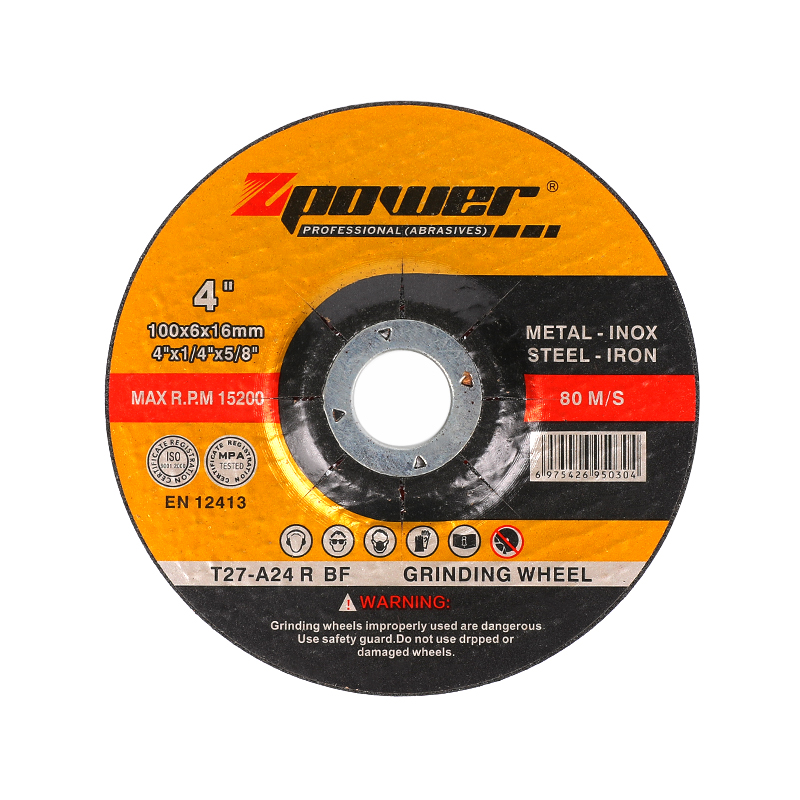
Grinding Wheels: Used for precision grinding operations on metals, ceramics, and other hard materials. These wheels vary in abrasive grain size, enabling fine to coarse grinding as needed.
Cut-off Wheels: Designed for cutting through metals and other materials quickly and efficiently. They are often thin to minimize material waste and optimize cutting speed.
Flap Wheels: Consists of overlapping abrasive flaps bonded to a central hub. Ideal for blending, finishing, and polishing applications.
Diamond Wheels: Incorporate synthetic diamond particles for grinding very hard materials such as ceramics, glass, and carbides. They offer hardness and wear resistance.
Wire Brushes: Utilized for cleaning, deburring, and surface preparation tasks. Available in various bristle materials (steel, brass, nylon) for different applications.
Applications and Industries
The versatility of abrasive wheels makes them indispensable across numerous industries:
Manufacturing: Used in machining operations for shaping, finishing, and polishing metal parts in automotive, aerospace, and machinery manufacturing.
Construction: Essential for cutting and grinding concrete, masonry, and stone in construction and renovation projects.
Metalworking: Employed in fabrication shops for cutting and shaping metal components with precision.
Woodworking: Used for sanding and shaping wooden surfaces in furniture making and carpentry.
Automotive: Applied in body shops and garages for metal fabrication and repair work.
Choosing the Right Abrasive Wheel
Selecting the appropriate abrasive wheel involves considering several factors:
Material Compatibility: Ensure the wheel is suitable for the material being worked on to achieve efficient results without damage.
Wheel Specifications: Determine the size, thickness, and abrasive grain type required for the specific task and machinery.
Safety Considerations: Abrasive wheels operate at high speeds and under significant forces, necessitating proper safety precautions such as eye protection and machine guarding.
Maintenance and Handling
Proper maintenance and handling practices are crucial for extending abrasive wheel life and ensuring safety:
Storage: Store wheels in a dry, cool environment to prevent moisture absorption and degradation of bonding agents.
Handling: Avoid dropping or mishandling wheels to prevent damage or structural weakening.
Dressing and Truing: Periodically dress or true abrasive wheels to maintain their cutting or grinding efficiency.
In conclusion, abrasive wheels are indispensable tools across various industries, offering versatile solutions for grinding, cutting, and finishing applications. By understanding the different types, applications, and considerations involved in their selection and usage, businesses and professionals can optimize their operational efficiency and achieve results in their respective fields. Proper maintenance and adherence to safety protocols further ensure the longevity and safe operation of abrasive wheels, contributing to both workplace safety and productivity.
-
Metal Cut Off Disc Resin Cutting Wheel
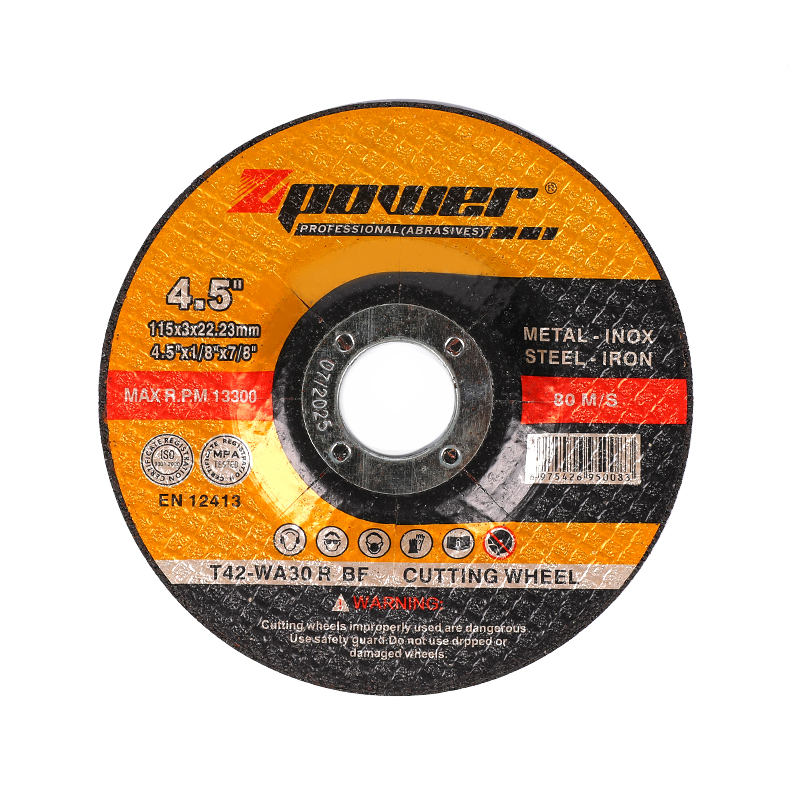
Parameters:
Model 115×3x22.23mm (4.5"x1/8x7/8") Packing Quantity 25PCS/Blister pack, 500PCS/Carton...read more -
Stainless And Inox Cutting Disc
Parameters:
Product Specifications(W*H*N) Scope of Use Style color 100*2.5*16 MM Universal Black, brown, gr...read more -
Industrial Stainless Steel Cutting Disc
Parameters:
Product Specifications(W*H*N) Scope of Use Style color 100*2.5*16 MM Universal Black, brown, gr...read more -
Resin Ultra-Thin Cutting Sheet
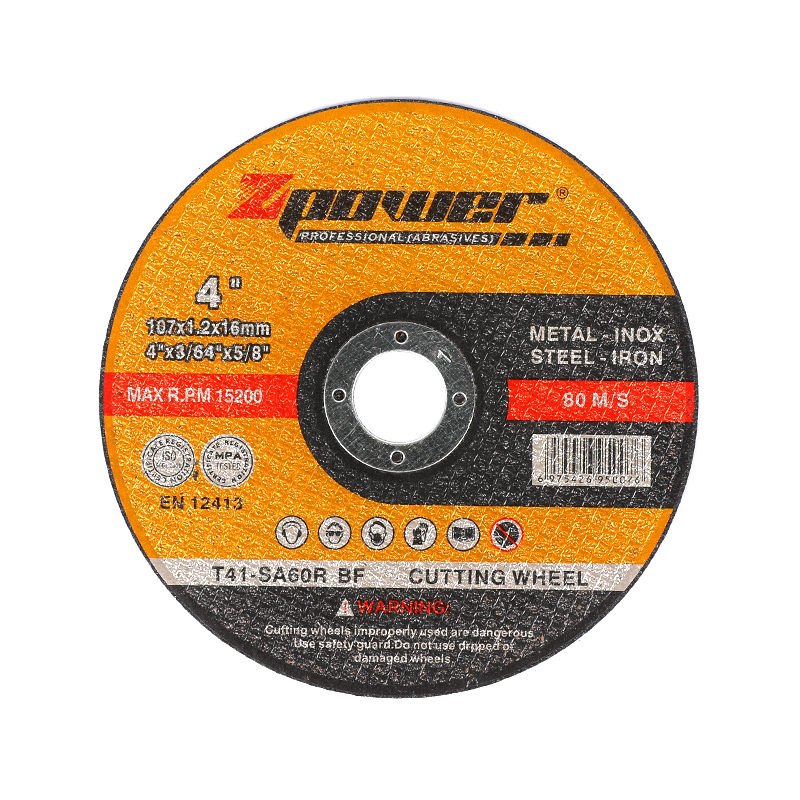
Parameters:
Model 107x1.2x16mm (4"x3/64"x5/8") Packing Quantity 10PCS/Blister pack, 400PCS/Carton ...read more -
Extra-Thin Resin Cutting Disc
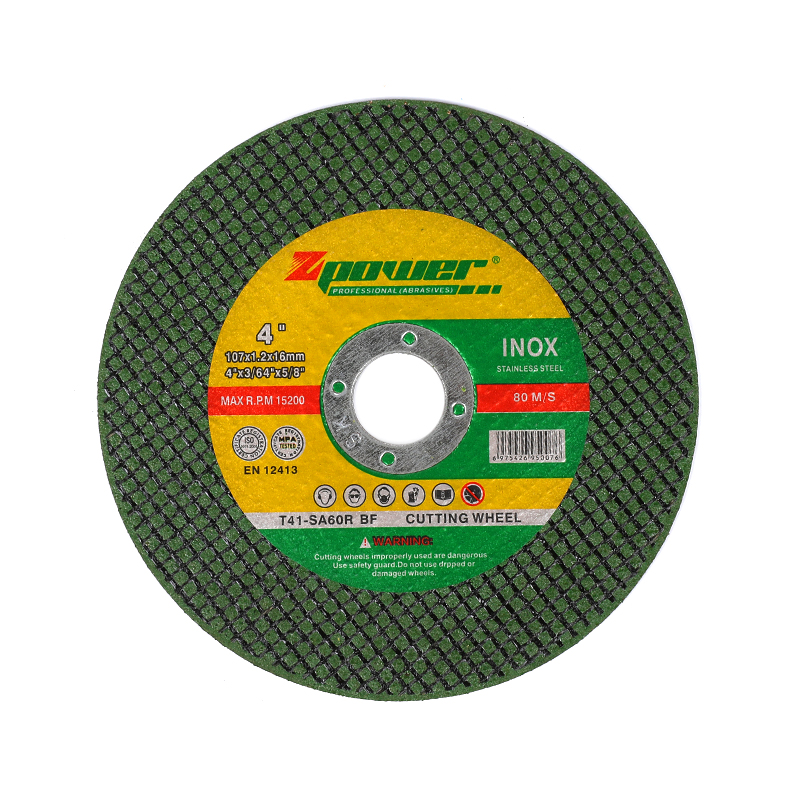
Parameters:
Model 107x1.2x16mm (4"x3/64"x5/8") Packing Quantity 10PCS/Blister pack, 400PCS/Carton ...read more -
Abrasive Cutting Wheel For Metal
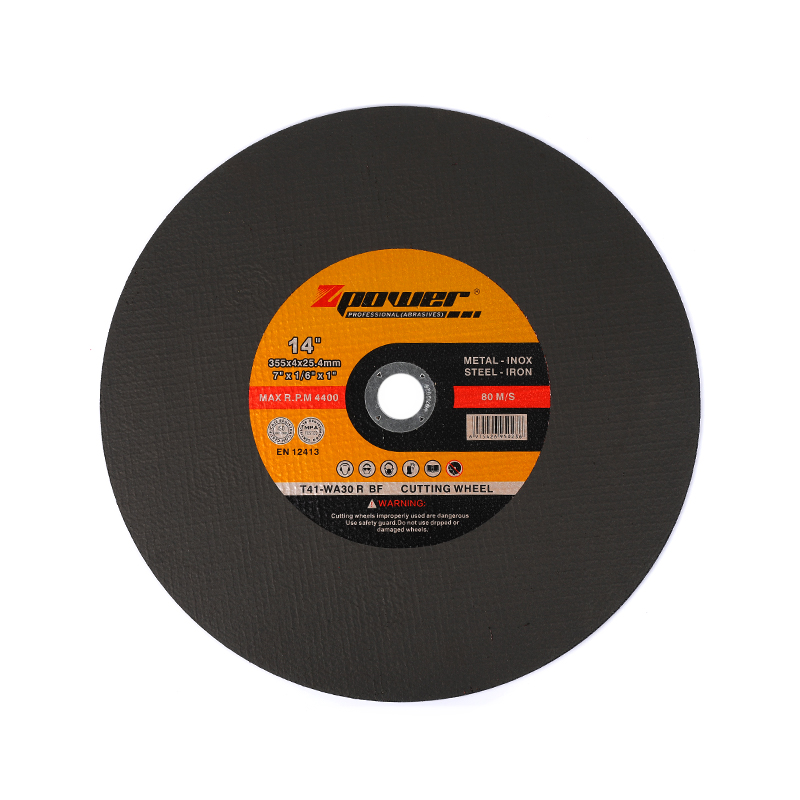
Parameters:
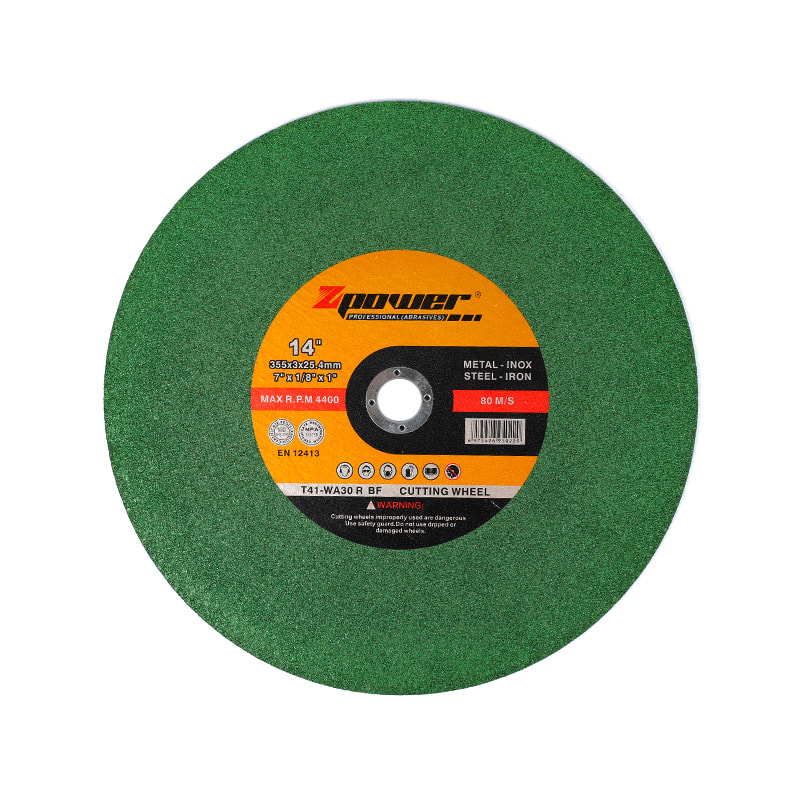
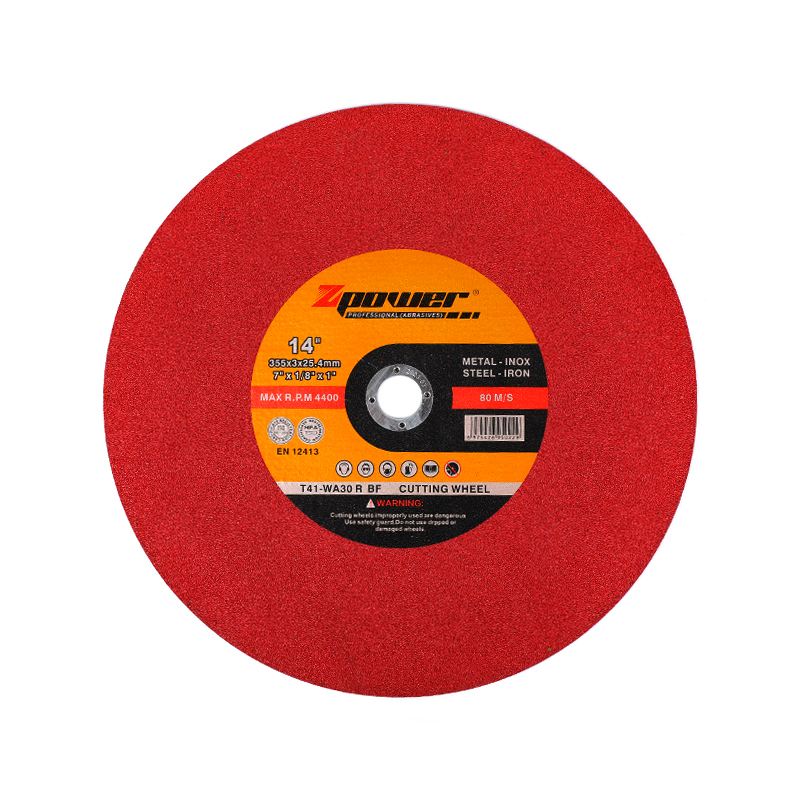
Model 355×4.0×25.4mm (7"x1/6"x1) Packing Quantity 5PCS/Blister pack, 25PCS/Carton ...read more -
High Efficient Metal Abrasive Cutting Disc
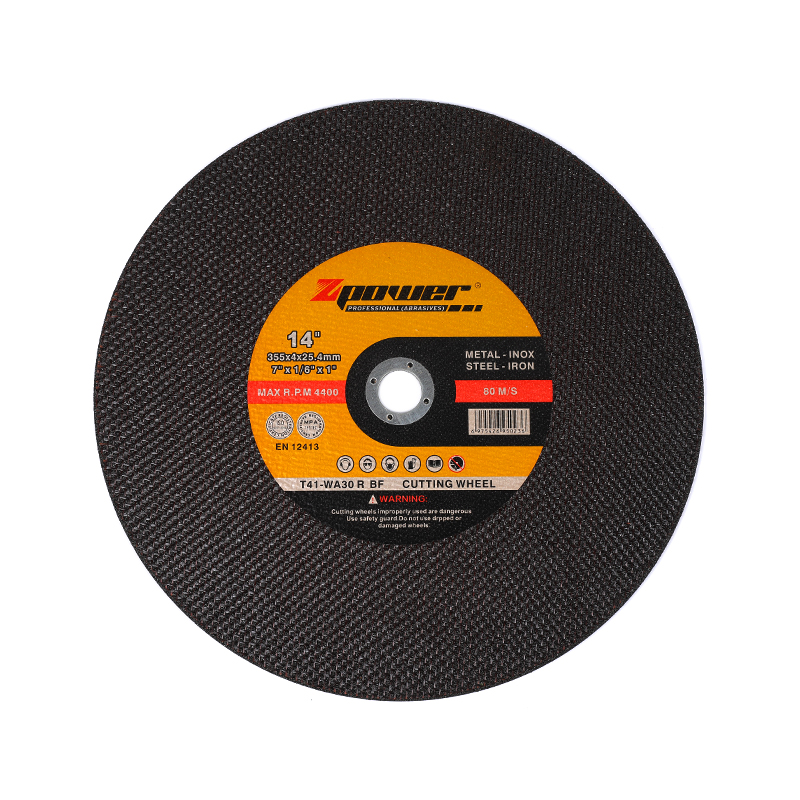
Parameters:
Model 355×4.0×25.4mm (7"x1/6"x1) Packing Quantity 5PCS/Blister pack, 25PCS/Carton ...read more -
Steel Abrasive Cutting Disc
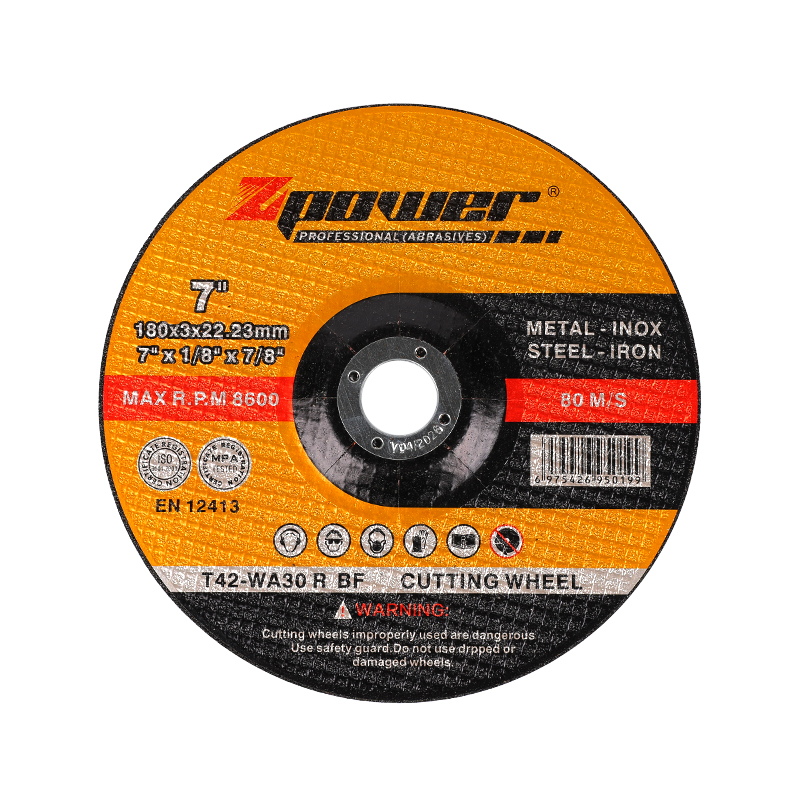
Parameters:
Model 180*3*22.23mm(7" x 1/8"x7/8") Packing 100Pcs/ctn Carton Size 38.5*37.5*19...read more -
115mm Thin Resin Cutting Disc
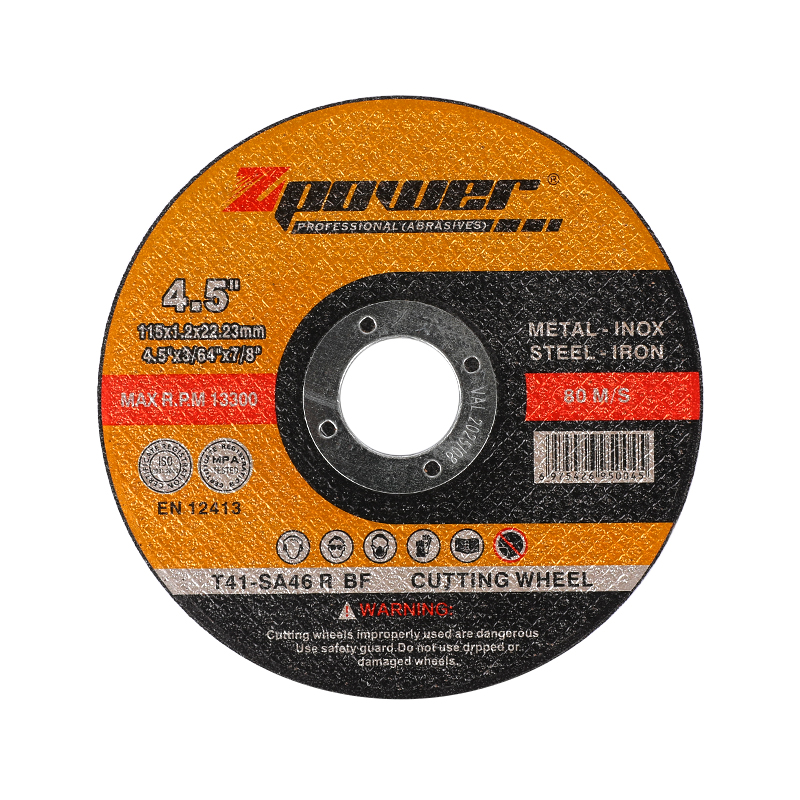
Parameters:
Model 115*1.2*22.23mm(4.5"x3/64"x7/8") Packing 400Pcs/ctn Carton size 35.5*13*2...read more -
Metal Thin Resin Cutting Disc
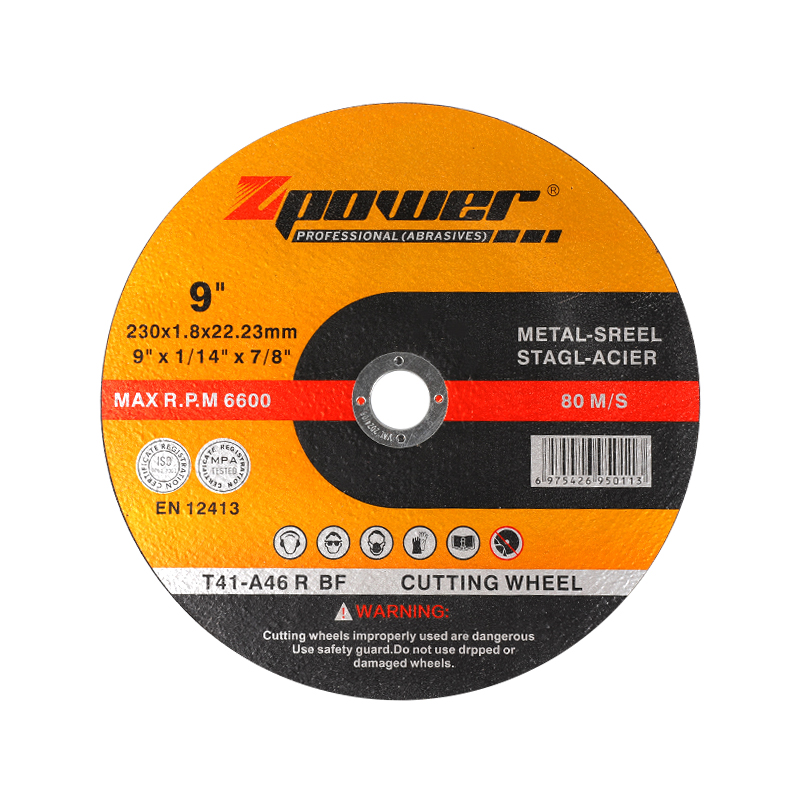
Parameters:
Model 230×1.8x22.23mm (9" x 1/14" x7/8") Packing Quantity 5PCS/Blister pack, 50PCS/Car...read more -
Thin Metal Cutting Disc
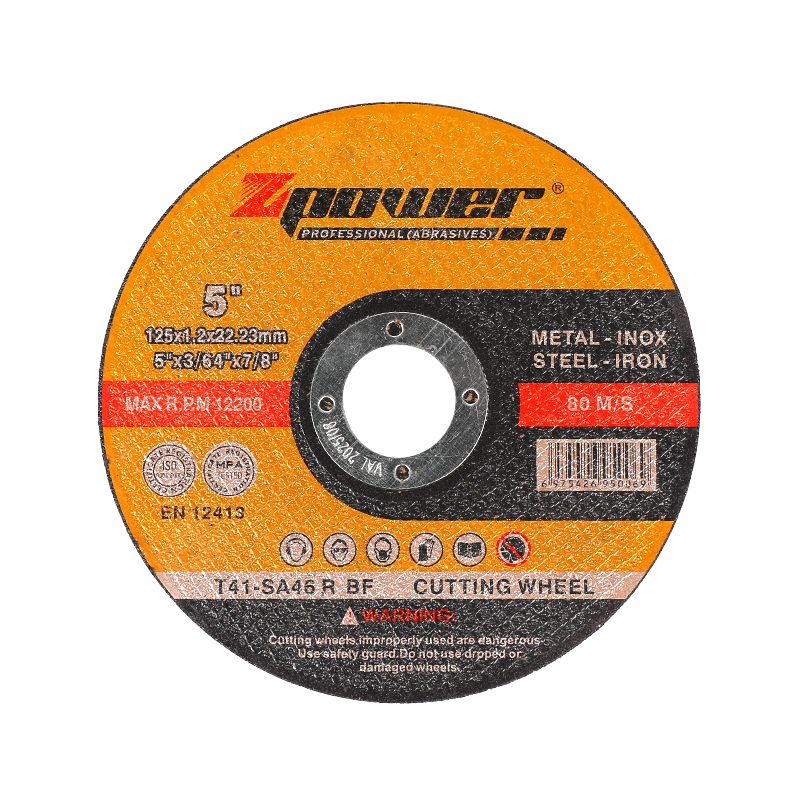
Parameters:
Model 125*1.2*22.23mm (5"x3/64"x7/8") Packing 800Pcs/ctn Carton size 37*27*28cm...read more
About Us

YONGKANG ZHENGBO ABRASIVES CO., LTD.
YONGKANG ZHENGBO ABRASIVES CO., LTD. is located in Yongkang, the hardware capital of China. It specializes in developing, producing, selling, and servicing China Grinding Wheels and sales Abrasive Wheels factory. It also operates flat abrasive cloth wheels, special fiber wheels, and steel wires: wheels and other abrasive products.
Established in 1995, the company has an annual output of more than 50 million grinding wheels. The company has a construction area of 12,000 square meters, more than 70 employees, and 10 R&D technicians. In the ups and downs of more than 20
years, step-by-step, down-to-earth, temper ourselves, develop and learn advanced production technology, improve the internal management system, keep pace with the times, and constantly seek to improve and improve product quality. Modern management, advanced
production technology, strict internal quality control, and timely after-sales service enable the company to respond to market changes, and customer demand, and provide the right products according to market and customer requirements. With a goal of 100 years of enterprise, Zhengbo is committed to technical research, product quality improvement, advanced production equipment updates, and the development of
suitable, cost-effective new products for market demand, we put more promotion funds into product research and development, to better quality and better service to the majority of users.
l am attentive, you can rest assured! Zhengbo Company adheres to the quality policy of “safe and efficient, quality and quantity, development and innovation, customer reassurance”, and establishes the concept of“realizing value for customers, development of customers is the development of enterprises", with“stable, honest, honest, and versatile”. "innovation, enterprising" is the spirit of enterprise, and constantly provides customers with reliable and valuable products. Provide OEM, ODM production, and OEM.
News
-
-
Rust, weld residue, and old paint can appear on the same steel component, yet these contaminants do not respond to abrasives in exactly the same way. Rust may r...
READ MORE -
Grinding wheels and sanding discs may both work with angle grinders, yet their construction and working behavior are quite different. A bonded grinding wheel us...
READ MORE -
Cutting disc thickness affects kerf width, material removal, cutting feel, and disc durability. A thin disc can move through sheet metal with relatively little ...
READ MORE

Quick Links
 Home
Home
About us
 +86-13967457388/ +86-0579-87320615
 No. 49, Weitai Road, Phase II, Zhiying, Yongkang, Jinhua City, Zhejiang, China
Copyright © 2024. YONGKANG ZHENGBO ABRASIVES CO., LTD. All rights reserved.
Wholesale Alumina Grinding Wheel
