


 Eng
Eng 
 عربى
عربى

Can One Sanding Disc Handle Rust, Welds, and Paint
 2026.09.25
 Industry News
Rust, weld residue, and old paint can appear on the same steel component, yet these contaminants do not respond to abrasives in exactly the same way. Rust may require aggressive surface cleaning, welds often need controlled blending, while paint removal calls for a disc that can strip coatings without unnecessarily digging into the base metal.
That raises an important product question: can one sanding disc for angle grinders handle all three jobs? The answer depends on abrasive construction, grit, backing material, and the condition of the workpiece.
Rust Removal Depends on the Rust Layer
Light surface oxidation does not require the same abrasive action as thick rust or deep corrosion pits. Open-structure discs can be useful because spaces within the abrasive structure allow removed material to escape rather than quickly clogging the working surface.
- Light surface rust: Fine or medium abrasive products can clean oxidation while retaining the original surface profile.
- Heavy rust: Coarser 36–60 grit products provide stronger removal action.
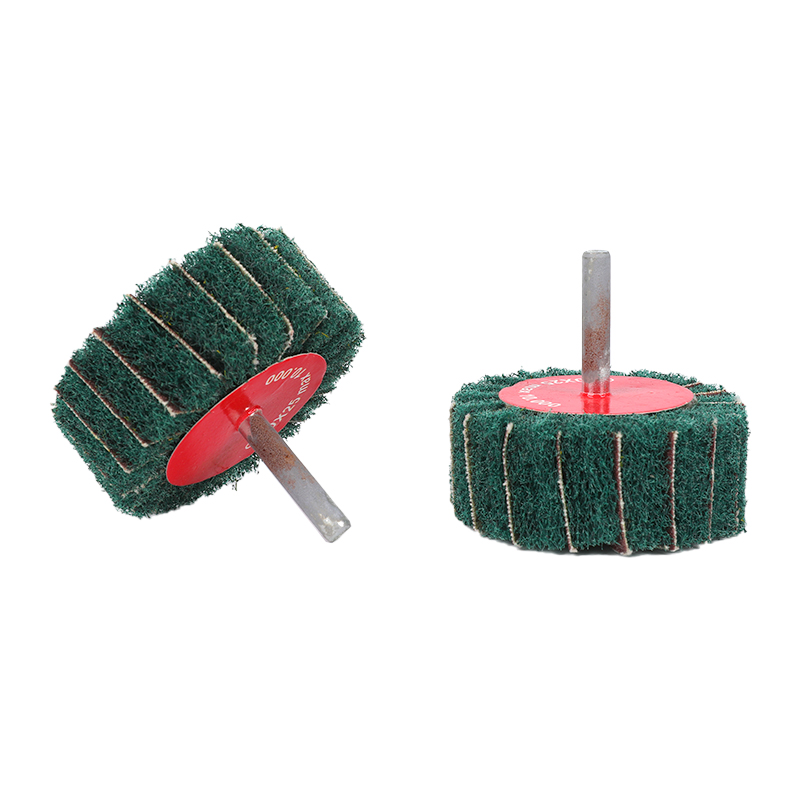
- Rust pits: Non-woven stripping discs can reach uneven areas while reducing aggressive gouging.
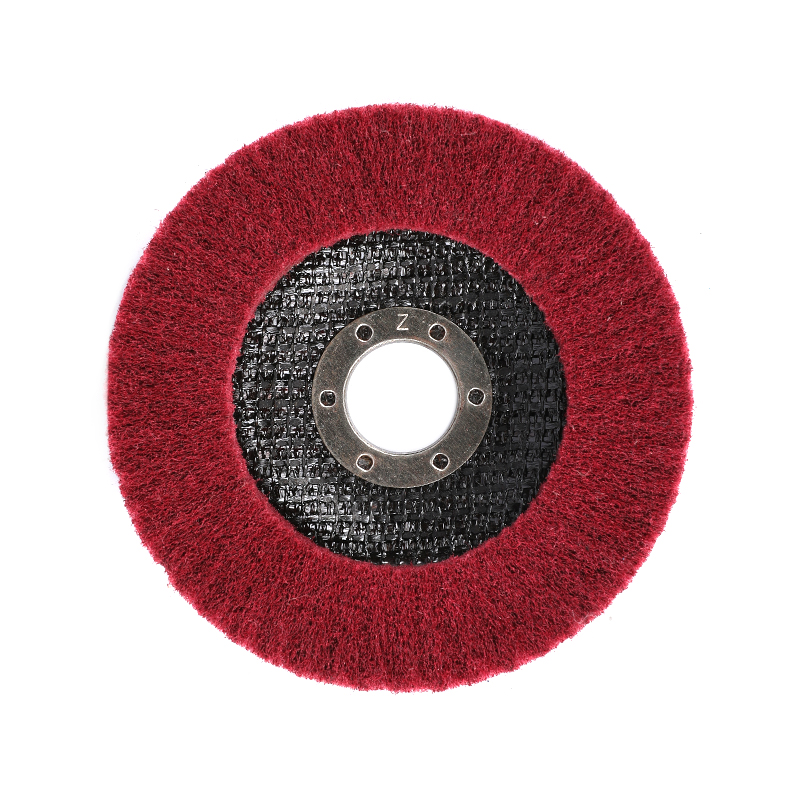
3M's Clean and Strip products use an open nylon web that allows swarf to escape and are designed for rust, corrosion, and coating removal. Norton also offers non-woven stripping discs for rust, scale, weld spatter, and other surface contaminants.
Welds Need More Than Simple Sanding
Weld preparation creates a different abrasive requirement. Excess weld material can be relatively hard, while the surrounding sheet or tube may be considerably thinner. Excessive abrasion can therefore remove useful base material together with the weld.
- Heavy weld reinforcement: 36–60 grit flap discs or coarse abrasive discs can provide substantial material removal.
- Weld blending: 60–80 grit is commonly used to transition the weld into the surrounding metal.
- Heat discoloration: Non-woven or surface-conditioning discs can clean the affected area without aggressive stock removal.
Flap discs are widely used for weld cleaning and blending because overlapping abrasive flaps can conform to the work surface. Current abrasive guidance places 40–60 grit products toward heavier weld work, with 80–120 grit products moving toward surface refinement.
Weld Geometry Changes the Choice
Flat welds and corner welds do not always benefit from the same disc profile. Type 27 flap discs have a relatively flat working face, while Type 29 designs have a conical profile suited to certain edge and contour applications. Norton recommends using Type 27 and Type 29 products at their specified working angles rather than treating both designs as interchangeable.
Paint Removal Calls for Controlled Stripping
Paint presents a softer but potentially sticky surface compared with rust or weld metal. Coarse coated abrasives can remove thick layers quickly, but aggressive contact may scratch the substrate more deeply than necessary.
- Thick paint: Coarse 36–60 grit products can provide stronger stripping action.
- Thin coating: Medium-grit or non-woven discs can offer more controlled removal.
- Paint preparation: Finer 80–120 grit products can help prepare the exposed surface for subsequent coating.
3M's non-woven Clean and Strip range uses silicon carbide or aluminum oxide in an open nylon structure, with products designed specifically for paint, rust, mill scale, and coating removal.
One Disc Can Cover Multiple Jobs—Within Limits
Multi-purpose abrasive discs do exist, but “multi-purpose” does not mean every task receives identical performance. A coarse flap disc may remove rust, paint, and weld residue, yet its surface finish may be too rough for final preparation. Conversely, a fine sanding disc may create a cleaner finish but require considerably more passes against heavy corrosion.
| Surface | Useful Disc Type | Typical Grit Range | Main Purpose |
| Light Rust | Non-woven / sanding disc | Medium–Fine | Cleaning |
| Heavy Rust | Stripping / flap disc | 36–60 | Material removal |
| Heavy Weld | Flap disc | 36–60 | Weld reduction |
| Weld Blending | Flap / sanding disc | 60–80 | Surface transition |
| Old Paint | Strip / sanding disc | 36–80 | Coating removal |
| Final Preparation | Fine sanding disc | 80–120+ | Surface refinement |
Backing Structure Makes a Difference
Abrasive grain is only part of the product design. Backing stiffness influences how the disc responds to edges, curves, and flat surfaces. Resin fiber discs provide a relatively firm abrasive layer, while flap discs use overlapping abrasive cloth. Non-woven products have a more open, conformable structure.
Norton describes open-web stripping discs as suitable for rust, weld spatter, scale, and paint removal, with the open construction helping reduce loading.
Can the Same Disc Stay on the Grinder?
Keeping a single disc mounted throughout an entire preparation process can be convenient, but the required finish may eventually call for another abrasive. A coarse disc can remove heavy contamination, while a finer product can refine the surface before painting or welding.
- Mixed contamination: Start with a disc capable of handling the hardest layer present.
- Surface-sensitive work: Use a less aggressive disc to reduce unnecessary substrate removal.
- Preparation before coating: Finish with a suitable medium or fine abrasive after stripping.
Product Versatility Has a Practical Limit
A versatile sanding disc for angle grinders can handle several surface-cleaning tasks, particularly rust, light coating removal, and weld discoloration. Heavy weld reduction and thick corrosion may require a more aggressive abrasive, while final surface preparation benefits from finer grades.
The useful approach is therefore not simply finding one disc for every job. Disc grain, grit, backing structure, profile, and surface condition should work together. A multi-purpose disc can cover several stages, while a small range of specialized abrasives can provide better control across demanding metal preparation work.

Quick Links
 Home
Home
About us
 +86-13967457388/ +86-0579-87320615
 No. 49, Weitai Road, Phase II, Zhiying, Yongkang, Jinhua City, Zhejiang, China
Copyright © 2024. YONGKANG ZHENGBO ABRASIVES CO., LTD. All rights reserved.
Aluminum Grinder Blade Factory
