


 Eng
Eng 
 عربى
عربى

Grinding Wheels or Sanding Discs: Where Does Each Fit
 2026.09.18
 Industry News
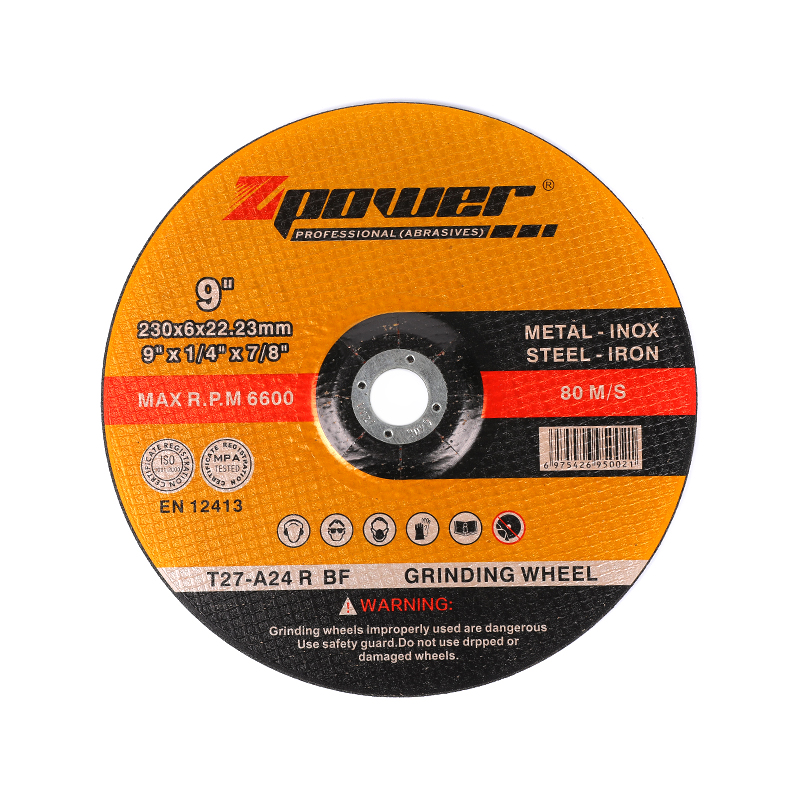
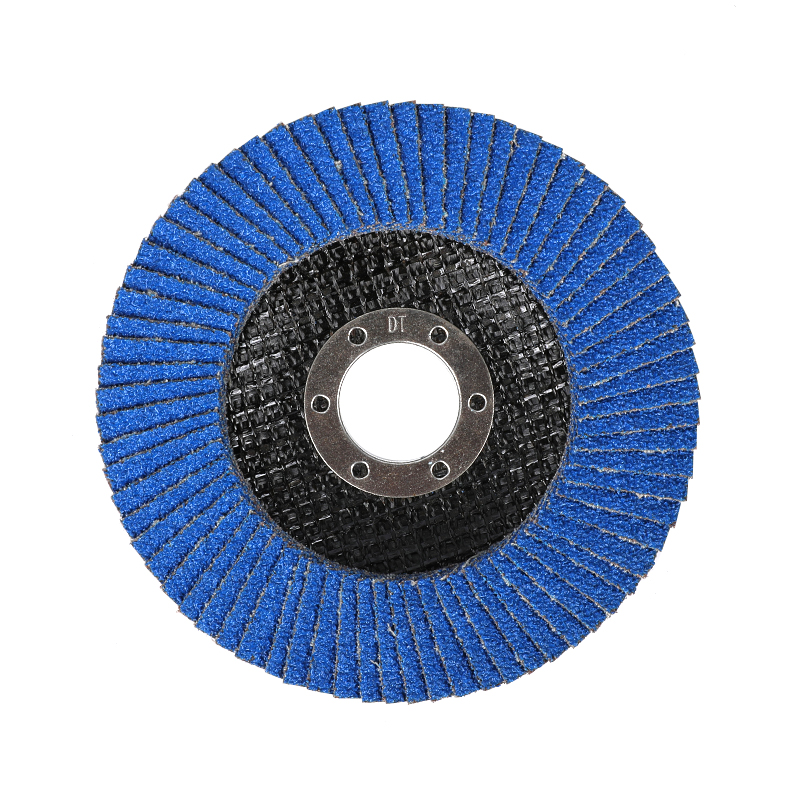
Grinding wheels and sanding discs may both work with angle grinders, yet their construction and working behavior are quite different. A bonded grinding wheel uses abrasive grains held together through a rigid bond, while sanding discs generally use coated abrasive material attached to a backing. Flap discs add another option by arranging overlapping abrasive flaps around a backing plate.
Understanding these differences helps users match the abrasive to the stage of metal fabrication. grinding wheel sanding discs are not interchangeable accessories simply because they can fit similar power tools.
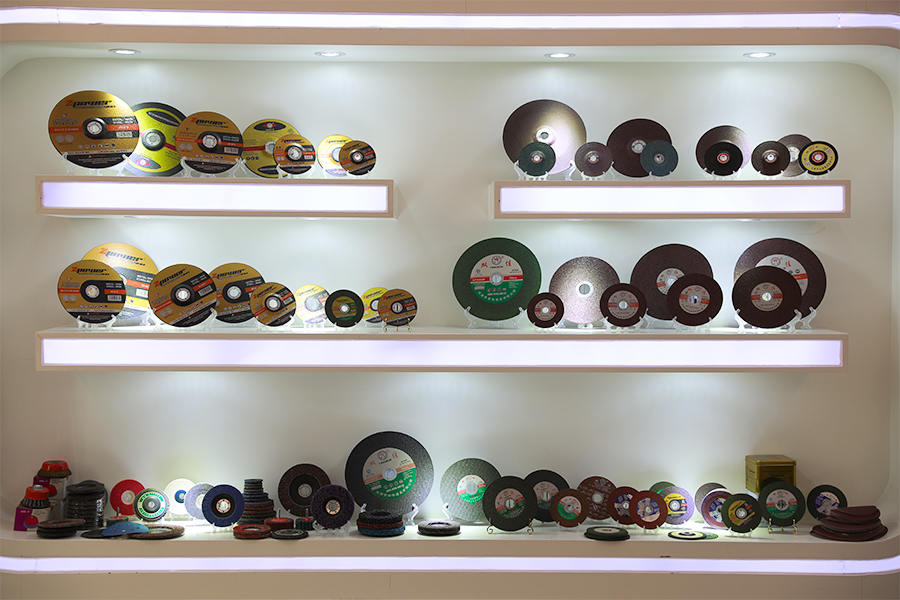
Grinding Wheels: Built Around Material Removal
Grinding wheels are suited to jobs where substantial metal needs to be removed. Their rigid construction allows them to withstand considerable grinding pressure and maintain a defined working edge.
- Heavy weld removal: Suitable for thick weld beads and excess weld buildup.
- Edge shaping: Useful for forming or correcting heavy steel edges.
- Bevel preparation: Suitable for creating substantial bevels before welding.
- Rough stock removal: Practical for castings, steel sections, and other heavy components.
3M lists depressed-center grinding wheels for applications such as fillet weld grinding, high-pressure flat weld grinding, and beveling. Such applications demonstrate the role of rigid wheels during aggressive metal preparation.
Sanding Discs: More Control Over the Surface
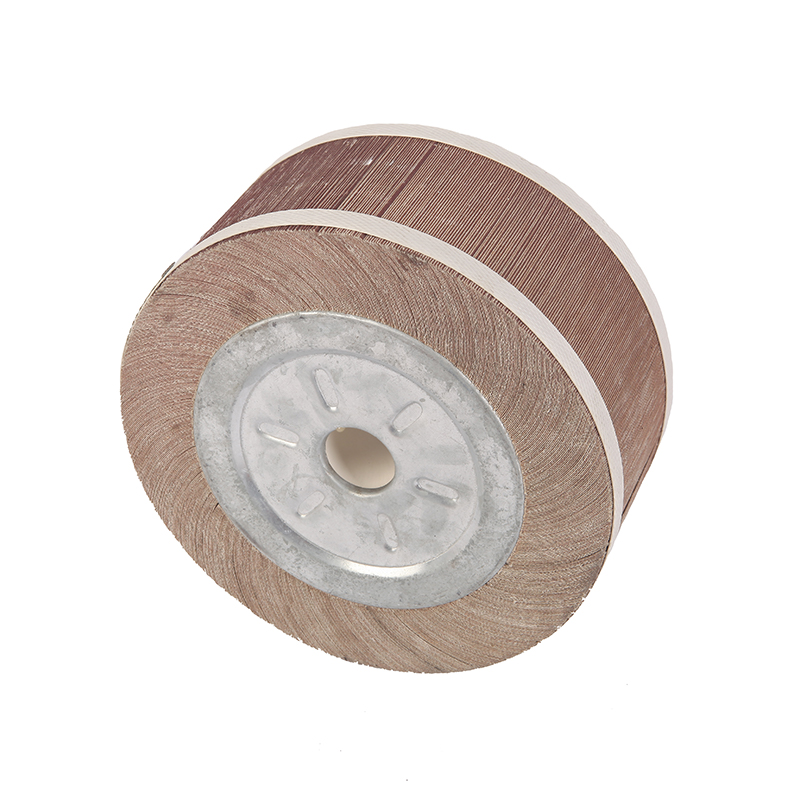
Sanding discs use coated abrasive grains distributed across a flexible or semi-flexible backing. This construction provides a different contact pattern from a rigid grinding wheel and is useful across surface preparation and finishing operations.
- Deburring: Helps remove smaller burrs around fabricated edges.
- Weld blending: Smooths transitions between weld metal and the surrounding surface.
- Scratch refinement: Reduces coarse grinding marks before subsequent finishing.
- Paint preparation: Creates a more suitable surface before coating.
Grit selection changes the character of a sanding disc. Coarse grades such as 40 or 60 grit provide stronger stock removal, while 80, 120, and finer grades move toward surface refinement. Flexovit product data lists abrasive grades ranging from 40 through 320 across different finishing applications.
Where Flap Discs Fit Between the Two
Flap discs occupy an interesting position between rigid grinding wheels and conventional sanding discs. Their overlapping abrasive flaps provide a grinding surface that can gradually conform to curves, edges, and contours.
3M describes flap discs as combining grinding and blending, with abrasive flaps continually exposing fresh mineral as they wear. This construction can provide a smoother finish than conventional depressed-center grinding wheels while still supporting substantial weld removal.
- 40–60 grit: Suitable for aggressive weld blending and heavier surface work.
- 80 grit: Useful for general blending and surface preparation.
- 120 grit and above: Better suited to finer surface conditioning.
Surface Shape Changes the Abrasive Choice
Flat plates and heavy welds can tolerate the concentrated action of rigid grinding wheels. Curved tubes, rounded edges, and contoured components often benefit from the more conformable structure of flap or sanding discs.
- Flat steel plate: Grinding wheels work well for heavy material removal; flap discs can follow with blending.
- Welded tubing: Flap discs can follow curved surfaces more naturally.
- Thin sheet: Sanding or flap discs can provide greater control during surface refinement.
- Sharp fabricated edges: Coarse flap discs can combine edge treatment with surface blending.
Flap disc construction is particularly useful across curves and contours because the abrasive flaps provide greater conformity than rigid grinding wheels.
Finish Requirements Can Change the Product Choice
Heavy grinding rarely produces the same surface appearance as sanding or blending. A rigid wheel can leave pronounced grinding marks, which may be acceptable during rough fabrication but unsuitable before painting, polishing, or decorative finishing.
Sanding discs and flap discs offer more options for controlling the final surface texture. A fabrication process may therefore use different abrasive products at different stages rather than relying on a single disc type.
Typical Abrasive Sequence
- Stage 1: Grinding wheel for heavy weld or excess material removal.
- Stage 2: 40–80 grit flap disc for weld blending and edge refinement.
- Stage 3: 120 grit or finer sanding disc for surface preparation.
Which Abrasive Fits Each Job?
The distinction becomes clearer by looking at the desired result rather than simply the tool being used. Grinding wheels suit substantial metal removal and rough shaping. Flap discs bridge grinding and finishing tasks. Sanding discs become more useful as the process moves toward surface refinement.
| Product | Typical Role | Surface Result |
|---|---|---|
| Grinding Wheel | Heavy grinding and shaping | Coarse |
| Flap Disc | Grinding, blending, deburring | Medium to smooth |
| Sanding Disc | Surface preparation and refinement | Fine and controlled |
Product diameter, abrasive grain, grit, backing material, disc profile, and grinder compatibility should also be checked before use. A flap disc, grinding wheel, and sanding disc may share a 115 mm or 125 mm grinder format, yet their intended working methods remain different.
Different Discs, Different Roles
grinding wheel sanding discs represent different stages of metal surface treatment rather than competing products with identical functions. Rigid grinding wheels are suited to substantial removal, flap discs combine removal with blending, and sanding discs provide greater control as the surface moves toward its final condition.
Using separate abrasive stages can help maintain a logical fabrication process: remove heavy material with the appropriate grinding wheel, blend the surface with a flap disc, then refine the finish with a suitable sanding disc.

Quick Links
 Home
Home
About us
 +86-13967457388/ +86-0579-87320615
 No. 49, Weitai Road, Phase II, Zhiying, Yongkang, Jinhua City, Zhejiang, China
Copyright © 2024. YONGKANG ZHENGBO ABRASIVES CO., LTD. All rights reserved.
Aluminum Grinder Blade Factory
