


 Eng
Eng 
 عربى
عربى

How Do OEM Buyers Choose a Flap Wheel for Bulk Production Lines?
 2026.05.25
 Industry News
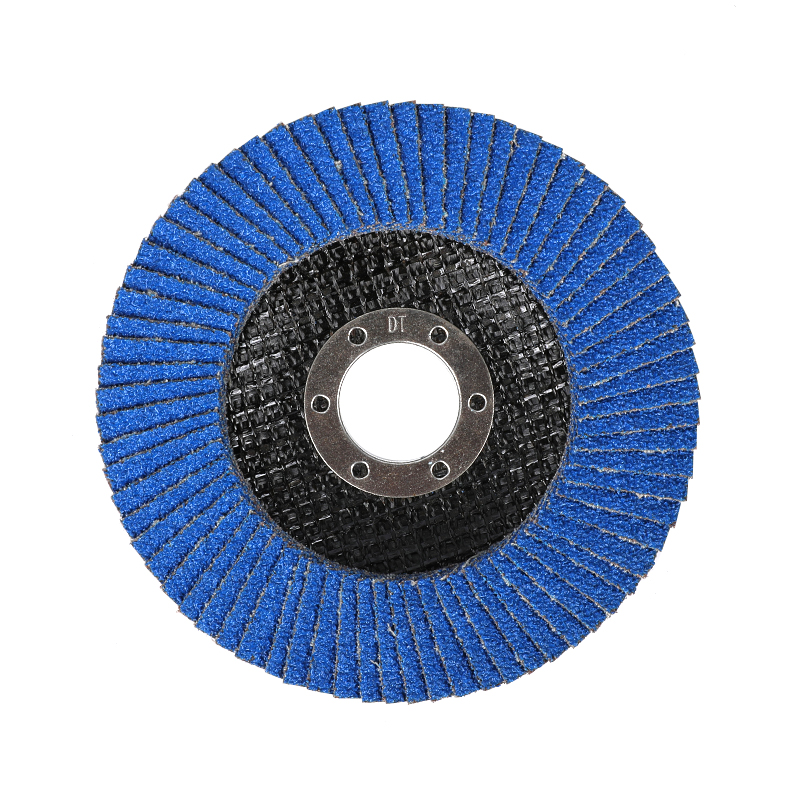
In manufacturing supply chains, finishing tools are often treated as small accessories. Yet in real production environments, they influence surface consistency, labor time, and even downstream coating results. Among these consumables, the Flap Wheel has become a common choice for OEM factories and wholesale distributors dealing with metal fabrication, woodworking, and mixed-material processing.
Instead of being selected only for basic grinding, the Flap Wheel is now often specified during product planning stages, especially when factories prepare customized bulk orders for different regional markets.
Why OEM Factories Rely on Flexible Finishing Tools
Manufacturers handling stainless steel parts, aluminum components, or welded structures often face varied surface conditions. A single production line may process rough edges, weld seams, and fine polishing tasks within the same shift.
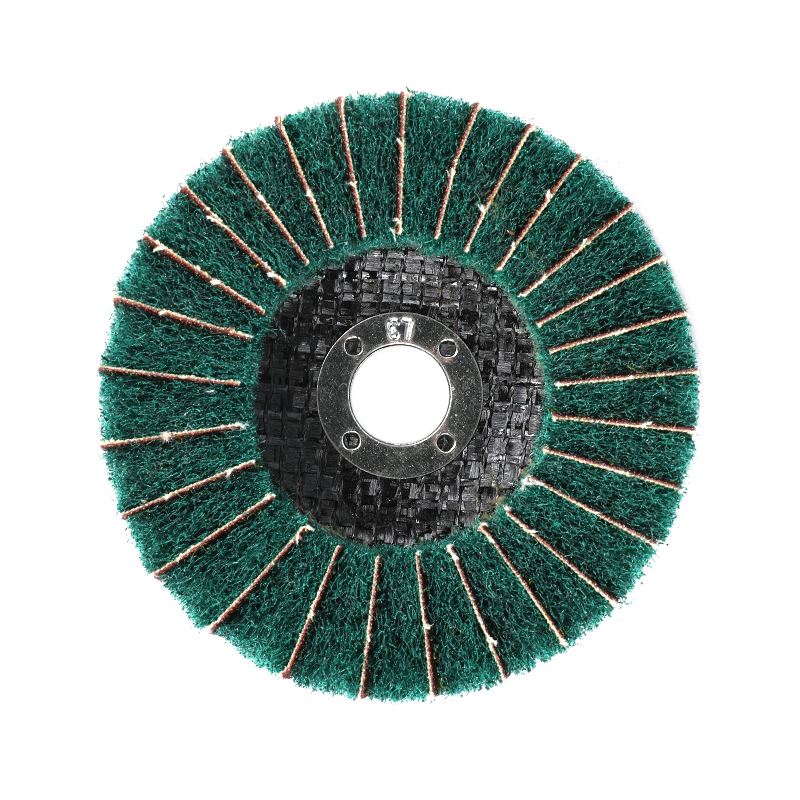
A Flap Wheel provides flexibility in these situations because it can be adapted for different grit levels and substrate types. OEM buyers usually request:
- Different abrasive grit combinations
- Customized core materials (plastic, metal, or fiber hub)
- Specific wheel diameters for machine compatibility
- Packaging designed for bulk distribution
These adjustments help distributors supply tools that match local workshop habits rather than using a universal configuration.
Bulk Purchasing Patterns in Wholesale Supply
Wholesale customers often prefer predictable supply cycles. In many cases, a Flap Wheel order is not a one-time purchase but part of a repeated procurement plan tied to production volume.
Factories typically evaluate:
- Monthly consumption rate
- Machine type compatibility
- Worker handling preferences
- Abrasive wear rate under specific workloads
When demand is stable, OEM suppliers can arrange batch production more efficiently. This reduces variation between shipments and helps maintain consistent finishing behavior across different production runs.
Surface Requirements Across Different Industries
Different industries use flap wheels in distinct ways. For example, metal furniture workshops focus on edge smoothing, while automotive repair shops may use them for paint preparation or rust removal.
A Flap Wheel used in stainless steel processing may require tighter abrasive layering, while wood finishing applications often use softer grit transitions to avoid deep marks.
Common industrial use cases include:
- Weld seam blending in steel structures
- Edge rounding for aluminum profiles
- Surface prep before powder coating
- Light rust removal in maintenance workshops
- Decorative finishing for furniture components
These variations influence how OEM suppliers design product lines for bulk customers.
Packaging and Distribution Considerations
In wholesale supply chains, packaging is more than a protective layer. It affects storage, transport efficiency, and resale handling.
Many distributors request Flap Wheel packaging in sets or color-coded boxes to simplify inventory sorting. Some also request private labeling for regional resale channels.
Typical OEM packaging options include:
- Bulk cartons for industrial buyers
- Shrink-wrapped multi-packs for distributors
- Customized branding for retail-ready products
- Barcode labeling for warehouse tracking
These details help streamline distribution once products reach different markets.
Consistency in Mass Production Output
One challenge in abrasive tool manufacturing is maintaining consistent performance across large batches. Slight differences in density, bonding strength, or abrasive distribution can change finishing behavior during use.
For this reason, OEM buyers often test sample batches of Flap Wheel before confirming large orders. Once specifications are approved, factories maintain controlled production parameters to reduce variation.
This approach supports more predictable results in workshops that rely on repeatable finishing quality for assembly or coating processes.
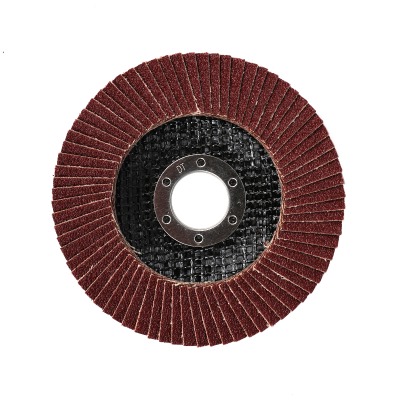
In OEM manufacturing and wholesale supply chains, finishing tools are part of a larger production strategy rather than simple consumables. The Flap Wheel plays a practical role in supporting surface preparation across multiple industries, from metal fabrication to maintenance services.
As demand patterns become more specialized, customization and bulk consistency continue to shape how suppliers design, package, and distribute these products. For many distributors and factories, the focus is no longer only on availability, but on how well each batch fits into real workshop conditions.

Quick Links
 Home
Home
About us
 +86-13967457388/ +86-0579-87320615
 No. 49, Weitai Road, Phase II, Zhiying, Yongkang, Jinhua City, Zhejiang, China
Copyright © 2024. YONGKANG ZHENGBO ABRASIVES CO., LTD. All rights reserved.
Aluminum Grinder Blade Factory
