


 Eng
Eng 
 عربى
عربى

Why Do Resin Cutting Wheels Crack During Use
 2026.06.05
 Industry News
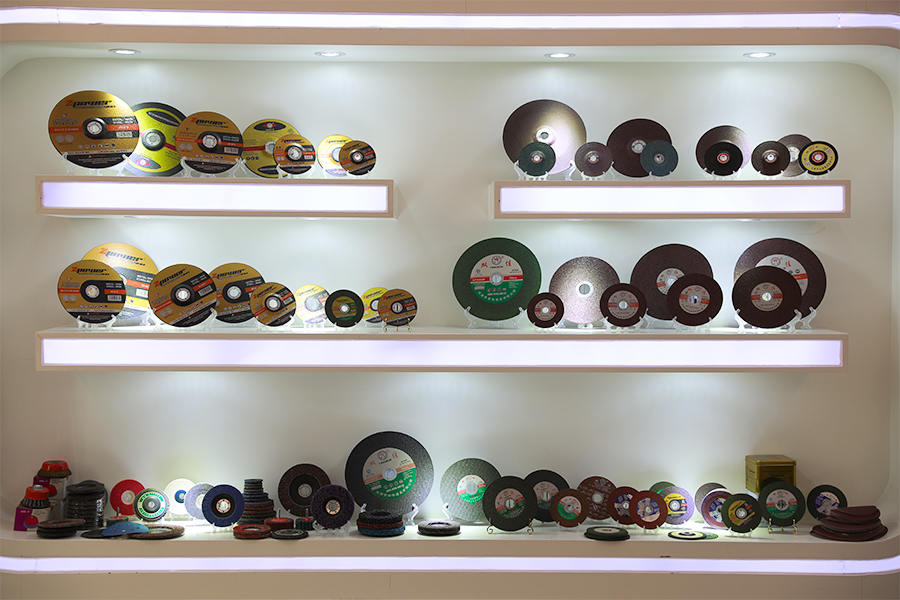
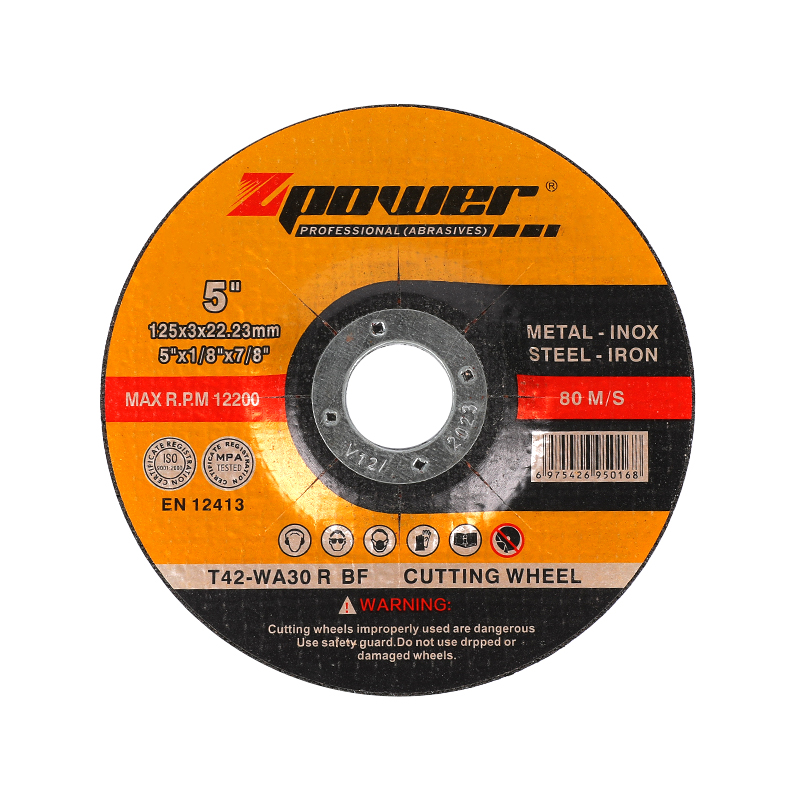
Cracks appearing on a Metal Cut Off Disc Resin Cutting Wheel can surprise both professional metalworkers and DIY enthusiasts. These thin, abrasive discs are designed for high-speed cutting, yet under certain conditions, they may develop fractures or even break completely. Recognizing the underlying causes can prevent accidents and improve cutting efficiency.
Structural Weaknesses of Resin Wheels
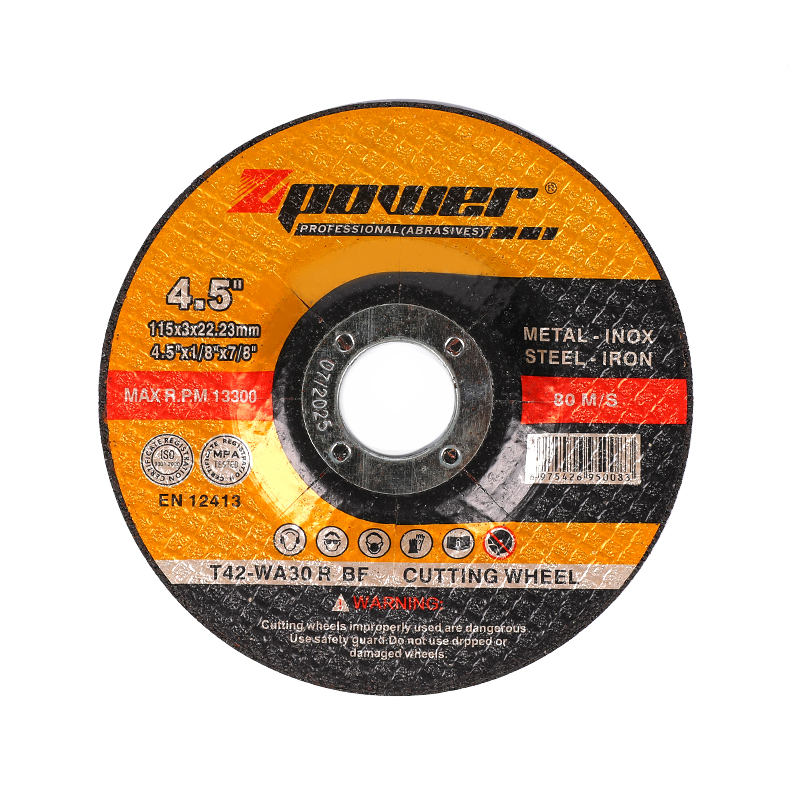
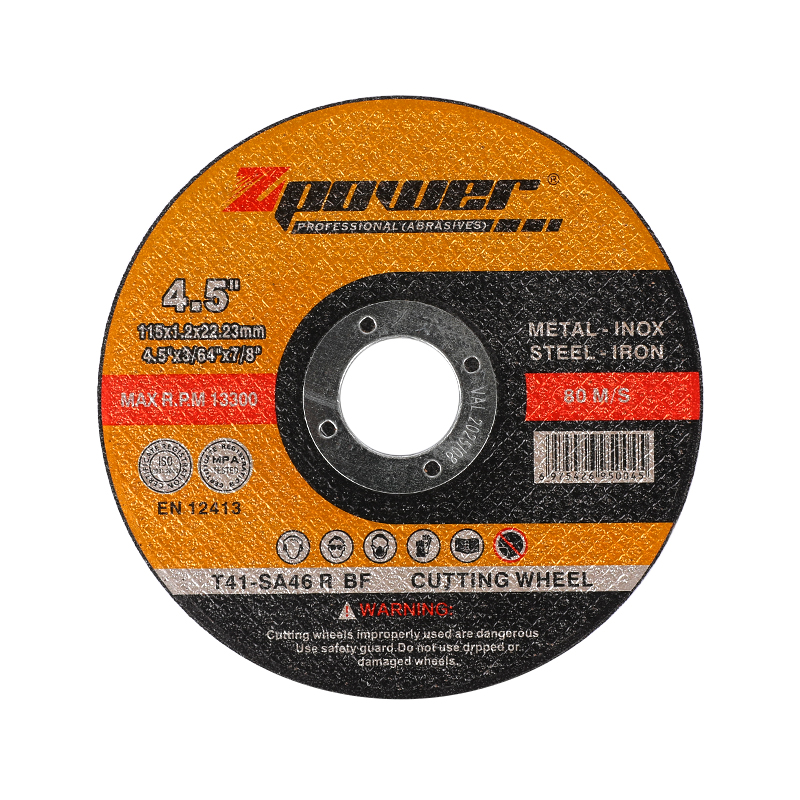
Resin cutting wheels are bonded using high-strength fiberglass layers. While this reinforcement provides flexibility, ultra-thin discs may bend or flex excessively during use. A disc rated at 1.0–1.2 mm thickness can offer quick, precise cuts, but the smaller margin for bending increases the risk of cracking under uneven force or side pressure.
- Material inconsistencies in the resin or abrasive composition may create weak points.
- High-speed rotation generates centrifugal forces, which can exploit minor imperfections in the disc.
- Excessive flexing against hard metal surfaces produces micro-fractures that expand during repeated use.
Common User Mistakes
Many cutting wheel failures are not caused by the disc itself but by improper handling. Applying uneven pressure or attempting angled cuts can overstress the wheel. Users occasionally use resin discs for grinding purposes, which introduces lateral force they are not designed to handle.
- Pressing too hard on thick steel rods may produce heat and stress, weakening the resin bond.
- Attempting to cut materials with incompatible hardness, such as hardened stainless steel with a mild steel disc, can lead to abrupt cracking.
- Poor fixture of the workpiece allows vibration or movement, which translates into uneven load on the disc.
Effects of Speed and Heat
A Metal Cut Off Disc Resin Cutting Wheel has a recommended rotational speed, typically between 10,000 and 15,000 RPM depending on diameter. Surpassing this speed can cause the disc to fracture due to centrifugal stress. Heat accumulation is another factor—resin discs with high abrasive density may generate significant friction, softening the resin and allowing cracks to form.
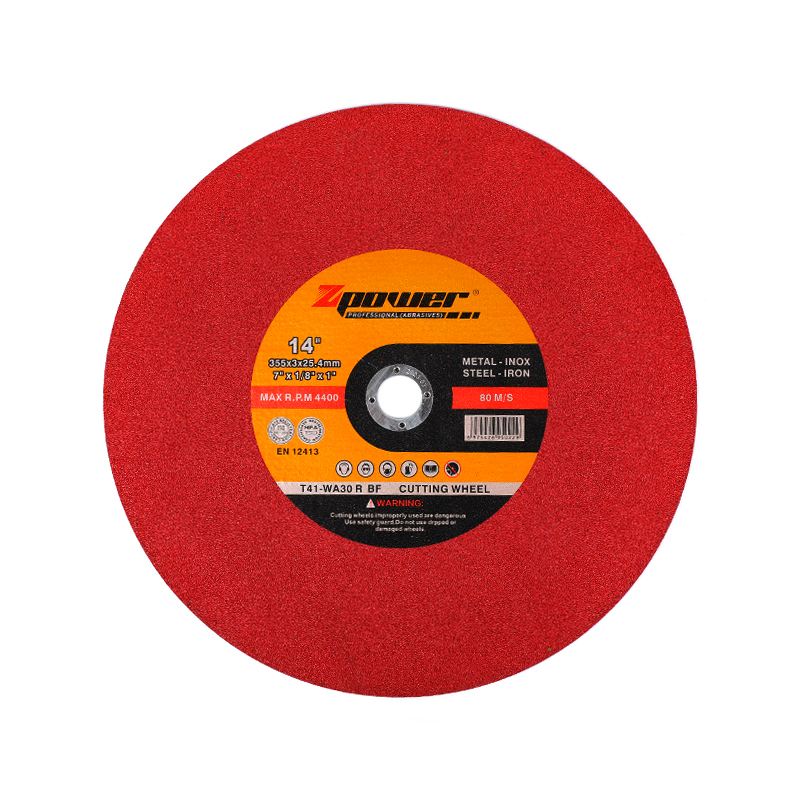
- Thicker resin wheels dissipate heat more slowly, risking edge softening during prolonged cuts.
- Cutting aluminum or copper at very high speed can melt small areas, weakening the wheel.
- Frequent short cuts without allowing the disc to cool gradually increase thermal stress over time.
Material and Design Considerations
Modern resin wheels come in variants tailored to different metals. Aluminum oxide discs excel on mild steel, while zirconia alumina or ceramic alumina discs are better for harder alloys. The disc diameter, thickness, and bond quality directly influence durability.
- Ultra-thin discs (0.8–1.2 mm) minimize material loss and reduce cutting resistance but are more sensitive to flexing.
- Multi-layer fiberglass reinforcement improves strength but requires careful handling to avoid sudden cracks.
- Checking the date of manufacture is crucial, as resin aging over 2–3 years can weaken the bond and increase brittleness.
Preventive Measures
Maintaining a proper cutting technique and equipment setup can significantly reduce the chance of resin wheel cracking. Ensuring stable clamping of the workpiece, applying moderate and uniform pressure, and avoiding side loads are key practices.
- Match the disc material to the metal type and hardness.
- Replace worn discs promptly to prevent sudden failure due to degraded abrasives.
- Store discs in dry conditions to avoid moisture absorption, which softens the resin binder.
Safe Usage for Long-Term Performance
Cracking on a Metal Cut Off Disc Resin Cutting Wheel is often avoidable through attention to speed, pressure, and material compatibility. Understanding structural limits and following proper handling practices reduces the risk of accidents and preserves disc life. Users benefit from balancing cutting speed, disc thickness, and workpiece stability, ensuring that these essential tools remain reliable for a variety of metalworking tasks.

Quick Links
 Home
Home
About us
 +86-13967457388/ +86-0579-87320615
 No. 49, Weitai Road, Phase II, Zhiying, Yongkang, Jinhua City, Zhejiang, China
Copyright © 2024. YONGKANG ZHENGBO ABRASIVES CO., LTD. All rights reserved.
Aluminum Grinder Blade Factory
