


 Eng
Eng 
 عربى
عربى

New Perspectives on Metal Surface Shaping in Modern Workshops
 2026.05.22
 Industry News
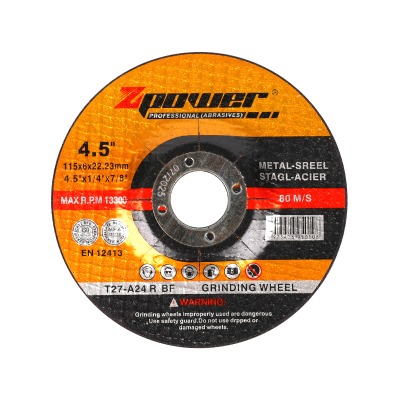
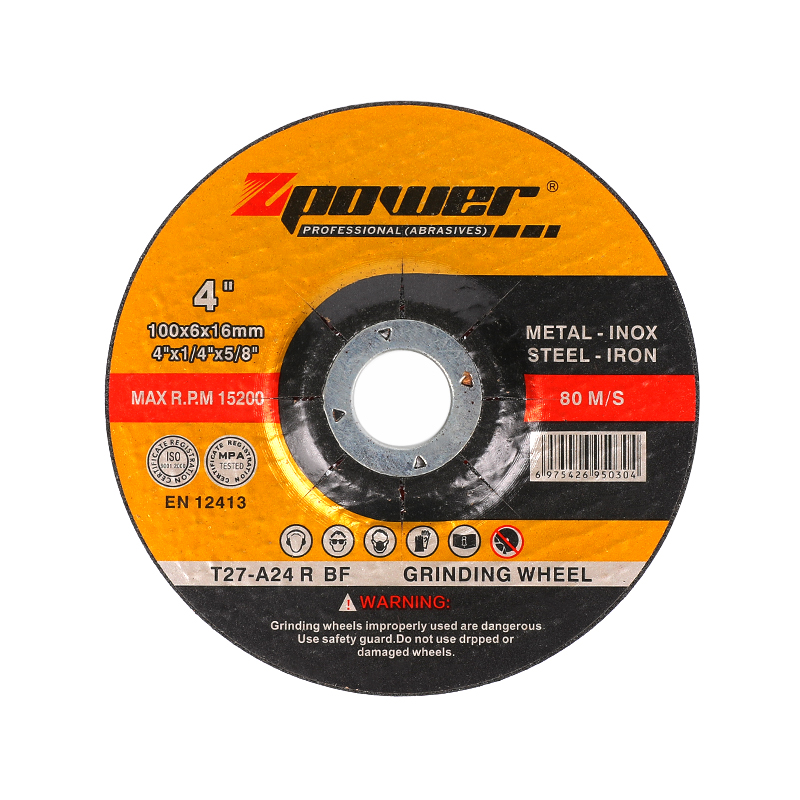
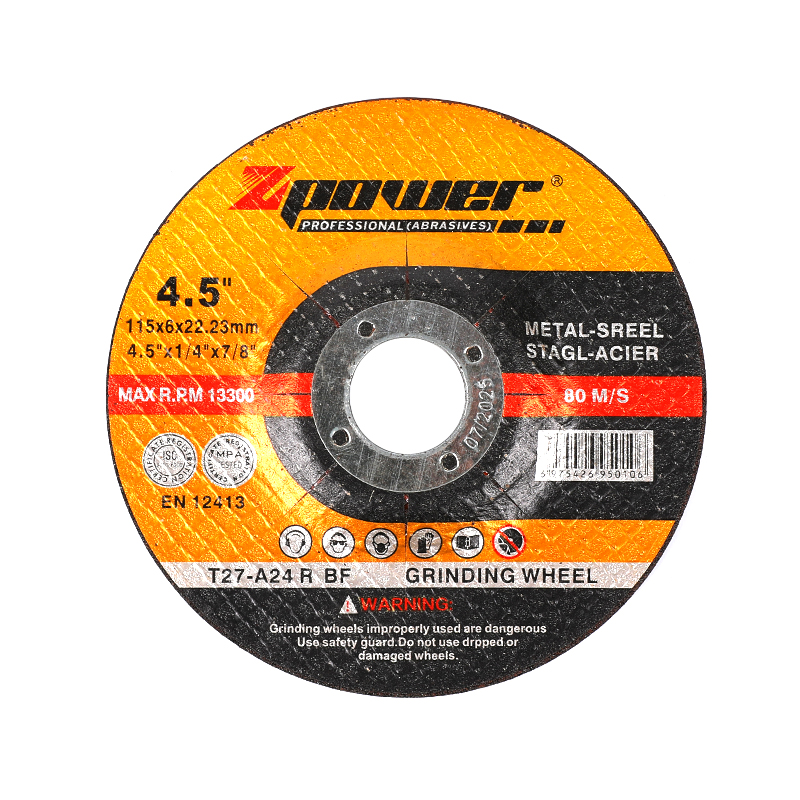
Metalworking has moved far beyond simple cutting and shaping. In today's workshops, consistency, surface control, and process stability matter just as much as speed. Among the tools that support this shift, Grinding Wheels For Metal play a central role in shaping steel, aluminum, and alloy components used in fabrication, repair, and finishing work.
Instead of focusing only on material removal, operators now pay attention to surface behavior, heat balance, and finish quality. This change has pushed Grinding Wheels For Metal into a more refined position within everyday industrial routines.
Material Behavior and Wheel Structure
At the core of performance is how the wheel interacts with different metals. Abrasive grain type, bonding strength, and porosity all influence cutting behavior. Softer metals may load the wheel quickly, while harder alloys require more controlled abrasion to avoid surface damage.
Grinding Wheels For Metal are typically built with structured grain spacing to help manage heat buildup during contact. This reduces the risk of discoloration or unwanted hardening on the work surface. In many cases, operators adjust pressure rather than speed to maintain a smoother grinding action, especially when working on thin sheets or precision parts.
Another factor is stability. A well-balanced wheel reduces vibration, which helps maintain a cleaner finish and improves control during longer grinding sessions.
Workshop Applications and Daily Use
In fabrication environments, grinding wheels are used for weld cleanup, edge shaping, and rust removal. Automotive repair shops rely on them for restoring metal panels and smoothing welded joints. Even small workshops use them for tool sharpening and part preparation.
Within these tasks, Grinding Wheels For Metal often serve as a bridge between heavy material removal and final surface finishing. They help transition a rough cut into a workable surface that can later be painted, coated, or assembled.
Different grit sizes also influence workflow. Coarser grains handle faster stock removal, while finer grains support smoother finishes. Choosing the right combination can reduce rework and improve consistency across batches.
Choosing Based on Task Requirements
Selecting a wheel is not only about material compatibility but also about usage style. Continuous production work may require wheels designed for longer wear cycles, while short repair tasks benefit from faster cutting action.
Operators often evaluate factors such as bond hardness, wheel diameter, and machine speed compatibility. In many workshops, trial use on scrap material is a common step before full application. This helps reduce unexpected wear patterns and improves predictability during real operation.
At this stage, Grinding Wheels For Metal are selected not just for cutting ability, but for how well they integrate into the overall workflow. That includes comfort during handling, stability under load, and ease of control in different positions.
Practical Value in Everyday Fabrication
As fabrication methods continue to evolve, surface quality expectations are also changing. Tools must support both efficiency and control without adding unnecessary complexity. In this environment, Grinding Wheels For Metal remain a dependable component in shaping, finishing, and preparing metal parts for further processing.
Their value lies not only in material removal but also in how they help operators manage precision, consistency, and surface condition across different working conditions.

Quick Links
 Home
Home
About us
 +86-13967457388/ +86-0579-87320615
 No. 49, Weitai Road, Phase II, Zhiying, Yongkang, Jinhua City, Zhejiang, China
Copyright © 2024. YONGKANG ZHENGBO ABRASIVES CO., LTD. All rights reserved.
Aluminum Grinder Blade Factory
