


 Eng
Eng 
 عربى
عربى
 Home / News / Industry News / How Are Alumina Grinding Wheels Shaping Metalworking and Tool Maintenance?
 How Are Alumina Grinding Wheels Shaping Metalworking and Tool Maintenance?
 2026.03.06
 Industry News
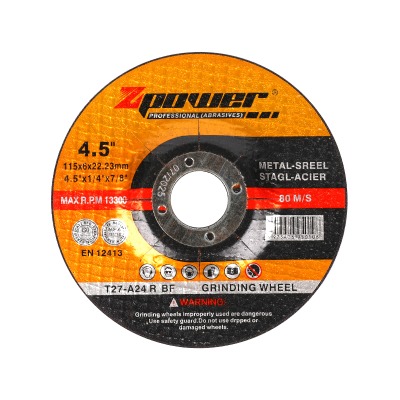
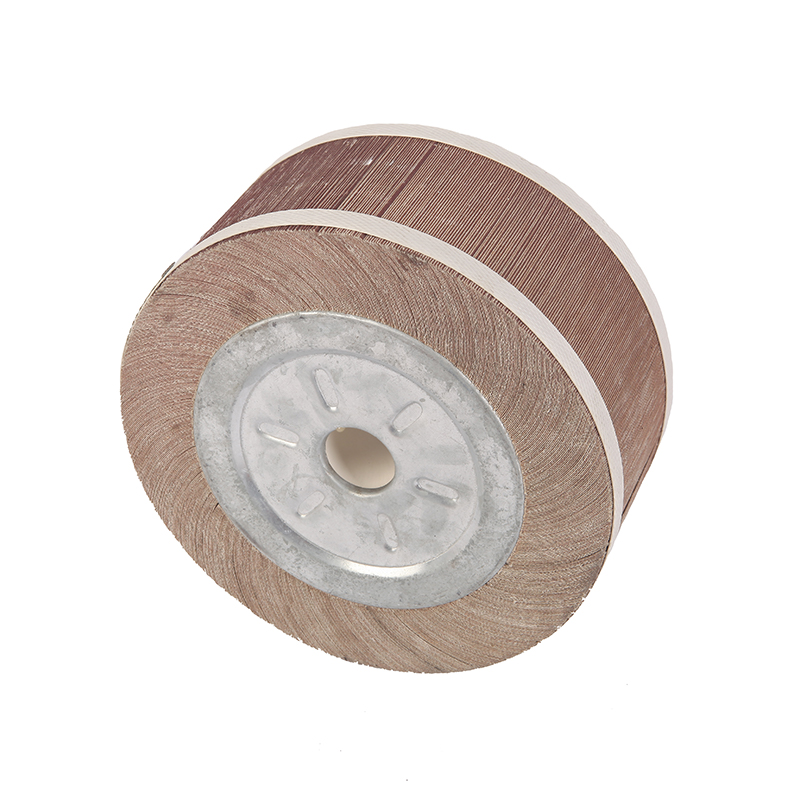
In metalworking, tool maintenance, and fabrication, surface finishing is crucial. Cutting tools, blades, and industrial parts all need precise shaping and sharpening. Among the tools available, the Alumina Grinding Wheel remains a reliable solution, offering durability, consistent performance, and adaptability across a variety of materials.
Alumina, also known as aluminum oxide, is a widely used abrasive material. An Alumina Grinding Wheel is composed of tightly bonded grains of this substance, which provides a hard, durable surface suitable for grinding steel, stainless steel, and other metals.
The wheel's composition allows it to maintain shape under heavy use, reducing the frequency of replacement and improving efficiency in the workshop. Unlike softer abrasives, alumina resists premature wear, helping maintain consistent cutting and grinding performance over time.
Applications in Metalworking
Alumina Grinding Wheels are used for a variety of tasks:
- Tool sharpening: Keeping chisels, drill bits, and lathe tools sharp.
- Surface preparation: Removing rust, burrs, or minor imperfections from metal surfaces.
- Precision shaping: Achieving accurate angles on edges or curves without compromising material integrity.
This versatility makes the wheel suitable for small workshops as well as industrial environments. Its ability to handle repeated use without significant degradation is particularly valuable when grinding high-strength steels.
Improving Safety and Control
Consistency in a grinding wheel isn't just about speed—it's about safety. An Alumina Grinding Wheel provides predictable abrasion, which helps operators maintain control while working. Sudden breaks or irregular wear can cause accidents, but alumina's hardness and uniformity reduce these risks.
Modern wheels are often reinforced with fiberglass or resin to improve stability, further protecting users from potential hazards while ensuring smooth operation. For workshops that rely on repeated grinding, this reliability is essential.
Efficiency in Everyday Use
Time is always a factor in production and maintenance tasks. An Alumina Grinding Wheel helps improve efficiency by delivering consistent material removal. Its hardness allows operators to grind faster without sacrificing precision.
Unlike lower-quality wheels that may clog or overheat, alumina's properties reduce heat buildup and maintain cutting performance. This minimizes downtime due to wheel replacement or tool adjustments, making workflows more predictable and manageable.
Adapting to Different Workflows
Alumina Grinding Wheels are available in various sizes, grit levels, and bonding types, making them adaptable to multiple tasks. Coarse wheels remove material quickly, while finer grits polish edges or create smoother finishes.
Workshops can maintain multiple wheels for different purposes without switching to entirely different abrasive systems. The adaptability of Alumina Grinding Wheels reduces storage complexity while providing reliable performance for a wide range of grinding needs.
Balancing Durability and Precision
While an Alumina Grinding Wheel is durable, selecting the right type for a task is important. The correct grit, diameter, and bond type ensure effective material removal while maintaining accuracy. This balance between durability and precision is what keeps alumina wheels relevant in modern fabrication and maintenance work.
Operators often pair these wheels with cooling solutions or dust collection systems to optimize both performance and safety. These considerations make the wheel not just a tool, but part of an integrated workflow designed for consistent results.
A Subtle but Significant Role
Though it may not draw attention outside of workshops, the Alumina Grinding Wheel plays a quiet but critical role in metalworking and tool maintenance. By combining toughness, consistency, and adaptability, it supports tasks ranging from tool sharpening to complex surface finishing.
In industrial and hobbyist settings alike, its presence enables faster, safer, and more precise work. For anyone who works with metal regularly, the Alumina Grinding Wheel remains a reliable companion, proving that traditional abrasive technology still has an important place in modern workflows.

Quick Links
 Home
Home
About us
 +86-13967457388/ +86-0579-87320615
 No. 49, Weitai Road, Phase II, Zhiying, Yongkang, Jinhua City, Zhejiang, China
Copyright © 2024. YONGKANG ZHENGBO ABRASIVES CO., LTD. All rights reserved.
Aluminum Grinder Blade Factory
