


 Eng
Eng 
 عربى
عربى
 Home / News / Industry News / Is an Alumina Grinding Wheel Suitable for Different Grinding Applications?
 Is an Alumina Grinding Wheel Suitable for Different Grinding Applications?
 2026.02.24
 Industry News
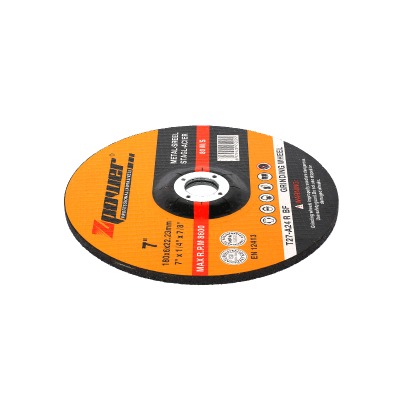
Grinding is a critical part of many manufacturing processes, especially when shaping or finishing metal components. An Alumina Grinding Wheel is a widely used tool in workshops and factories because of its durability and versatility. It offers consistent cutting performance and can handle a range of materials, from mild steel to stainless steel, without excessive wear.
Understanding the Alumina Grinding Wheel
An Alumina Grinding Wheel is composed of aluminum oxide grains bonded together to form a circular wheel. The abrasive nature of alumina allows it to remove material efficiently while maintaining its shape over repeated use. The wheel can be mounted on grinding machines to perform tasks such as surface finishing, edge shaping, and deburring.
Unlike softer abrasives, alumina maintains cutting power even under high pressure. This makes it suitable for industrial applications where consistent performance is essential.
Applications Across Industries
The Alumina Grinding Wheel finds use in many sectors. In metal fabrication, it is used to smooth weld seams, remove burrs, and shape components for assembly. Automotive workshops employ it for finishing engine parts or body panels. Tool and die shops rely on it for sharpening tools and precision components.
Its versatility extends to non-ferrous metals as well. Copper, aluminum, and brass components can be processed efficiently with an alumina wheel, making it a practical option for diverse production environments.
Selecting the Right Wheel for the Job
Choosing an appropriate Alumina Grinding Wheel depends on the material being worked on, the machine speed, and the type of grinding. Coarser grains remove material quickly but may leave a rougher finish, while finer grains produce smoother surfaces. The wheel's diameter and thickness should match the grinding machine's specifications to ensure safe and effective operation.
Proper selection reduces the risk of wheel breakage and helps achieve consistent results across multiple workpieces.
Operation and Safety Considerations
Operating an Alumina Grinding Wheel requires attention to safety. Eye protection, gloves, and secure workpiece clamping are recommended. Wheels should be inspected for cracks or damage before use, as even minor flaws can lead to breakage at high speeds. Following machine guidelines and manufacturer instructions is essential for safe and effective grinding.
Operators also benefit from maintaining consistent pressure and speed during grinding. Uneven force can cause excessive wear on the wheel or create unwanted marks on the workpiece.
Maintenance and Longevity
Maintaining an Alumina Grinding Wheel extends its lifespan and improves performance. Regular dressing removes clogged material and restores the wheel's cutting surface. Proper storage in a dry, stable environment prevents moisture or mechanical damage from affecting the wheel.
With basic care, alumina grinding wheels can provide reliable service over long production cycles, reducing the need for frequent replacements.
Practical Value in Workshops
Overall, an Alumina Grinding Wheel is a practical tool for workshops and industrial facilities that require consistent grinding performance. Its ability to handle a variety of metals, combined with durability and ease of use, makes it a valuable part of metalworking operations. Whether used for shaping, finishing, or sharpening, it helps maintain productivity and quality while minimizing downtime and material waste.


Quick Links
 Home
Home
About us
 +86-13967457388/ +86-0579-87320615
 No. 49, Weitai Road, Phase II, Zhiying, Yongkang, Jinhua City, Zhejiang, China
Copyright © 2024. YONGKANG ZHENGBO ABRASIVES CO., LTD. All rights reserved.
Aluminum Grinder Blade Factory
