


 Eng
Eng 
 عربى
عربى

What Makes Flap Discs Versatile for Different Grinding Tasks?
 2026.03.13
 Industry News
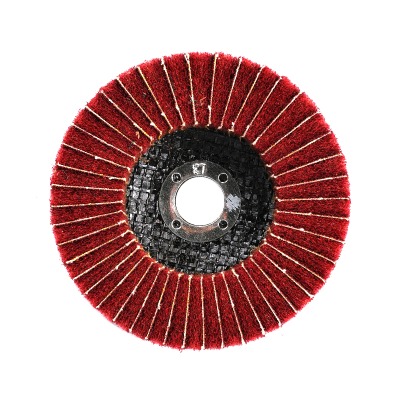
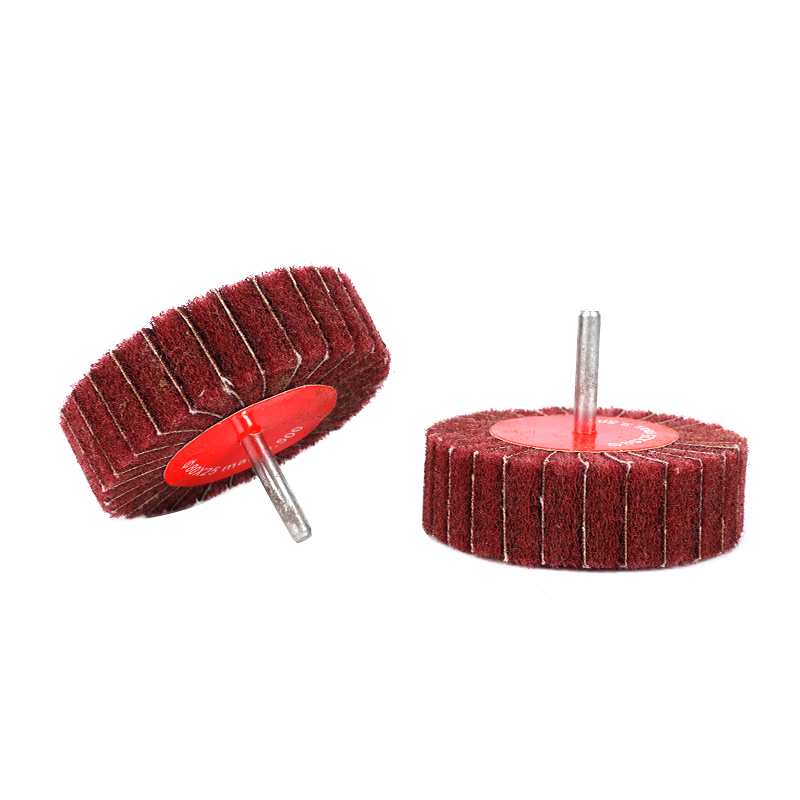
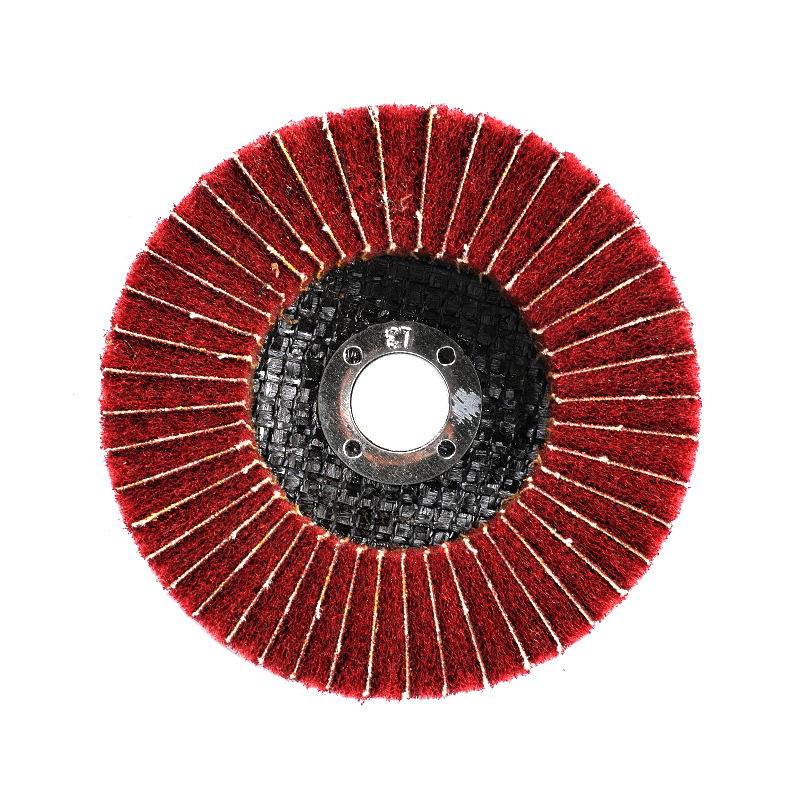
In metalworking, finishing and shaping surfaces can be time-consuming. That's where Flap Discs come into play. Unlike traditional grinding wheels, flap discs combine abrasive flaps arranged radially around a hub, providing both cutting and finishing in one pass. This design has transformed many small workshops and industrial settings, offering flexibility without constant tool changes.
Whether you are smoothing welds, deburring edges, or blending surfaces, a flap disc can handle multiple tasks with minimal effort. Its unique layering of flaps allows it to wear evenly, maintaining consistent performance throughout its life.
Why Flap Discs Are Different
Traditional grinding wheels focus mostly on material removal, often leaving rough surfaces behind. Flap discs, on the other hand, balance material removal with surface finishing. The overlapping abrasive flaps create a gentle sanding effect while still grinding away imperfections. This makes them suitable for tasks that require a smoother finish without multiple steps.
Another difference is the lifespan. Flap discs tend to wear gradually, exposing fresh abrasive as the flaps erode. This self-renewing action reduces the frequency of replacement and keeps the workflow uninterrupted.
Versatility Across Materials
One of the advantages of flap discs is adaptability. They can work on stainless steel, mild steel, aluminum, and other metals. Some designs are even suitable for light wood or composites, making them handy in mixed-material projects.
In workshops, this versatility means fewer tools to carry. A single flap disc can handle shaping, blending, and finishing, reducing clutter and streamlining operations. For hobbyists and professionals alike, that flexibility is a practical benefit.
Choosing the Right Flap Disc
Selecting the right flap disc depends on grit size, backing type, and abrasive material. Coarser grits remove material faster but leave a rougher finish. Finer grits provide smoother results but require more time for significant shaping. Backing options, such as fiber or plastic, influence flexibility and durability. Choosing appropriately ensures the disc matches the task without unnecessary wear or inefficiency.
Quality also matters. Well-made flap discs maintain their shape under high-speed rotations and provide predictable results. Checking specifications and manufacturer recommendations can prevent common mistakes, like using a disc too soft for tough metals.
Safety Considerations
Working with flap discs involves high-speed rotation and abrasive surfaces. Protective gear, including gloves, eye protection, and face shields, is essential. Additionally, inspecting the disc for cracks or irregularities before use prevents accidents. Proper mounting and speed limits should always be observed to ensure safe operation.
Practical Applications
Flap discs excel in tasks where time and finish matter. Welders use them to smooth bead lines and blend joints into the base metal. Fabricators employ them for shaping panels and edges, while DIY enthusiasts rely on them for home repairs and small projects. Their combination of cutting power and finishing capability reduces the need for multiple passes with different tools.
In addition, flap discs are quieter and generate less vibration than standard grinding wheels, improving comfort during extended use.
Maintenance and Longevity
Proper handling extends the life of a flap disc. Avoid pressing too hard or using the wrong angle, which can cause uneven wear or damage. Storing them in dry, stable conditions prevents warping or contamination. By taking simple precautions, flap discs can provide reliable performance over many projects.
A Simple Tool That Makes a Difference
So, can flap discs make metalworking easier and more efficient? The answer lies in their balance of cutting and finishing, versatility across materials, and consistent performance over time. While they may seem like a small accessory, they have quietly improved workflows in workshops, hobby spaces, and industrial settings alike. By choosing the right disc and using it carefully, users can tackle a wide range of tasks with less effort and more control.

Quick Links
 Home
Home
About us
 +86-13967457388/ +86-0579-87320615
 No. 49, Weitai Road, Phase II, Zhiying, Yongkang, Jinhua City, Zhejiang, China
Copyright © 2024. YONGKANG ZHENGBO ABRASIVES CO., LTD. All rights reserved.
Aluminum Grinder Blade Factory
