


 Eng
Eng 
 عربى
عربى

Which Metal Surfaces Suit Different Abrasive Disc Types
 2026.09.04
 Industry News
Metal surfaces can vary greatly in hardness, ductility, heat sensitivity, and finishing requirements. Carbon steel may require aggressive stock removal, while stainless steel needs better heat control and contamination resistance. Aluminum creates another challenge because its soft surface can quickly clog an abrasive. These differences make abrasive discs for metal more application-specific than they may appear.
Disc grain, grit size, backing construction, and bonding system all influence how an abrasive interacts with the workpiece. Understanding these differences helps users match the disc to the surface rather than treating every metal in the same way.
Carbon Steel: Built for Aggressive Material Removal
Carbon steel and mild steel are common targets for grinding, weld dressing, edge shaping, and surface preparation. Aluminum oxide remains widely used because it offers a practical combination of cutting action and general-purpose versatility. Zirconia alumina can provide stronger cutting behavior under heavier pressure.
- 24–36 grit: Suitable for heavy stock removal and rough weld grinding.
- 40–60 grit: Useful for weld blending, edge work, and general shaping.
- 80–120 grit: Better suited to smoothing and surface preparation.
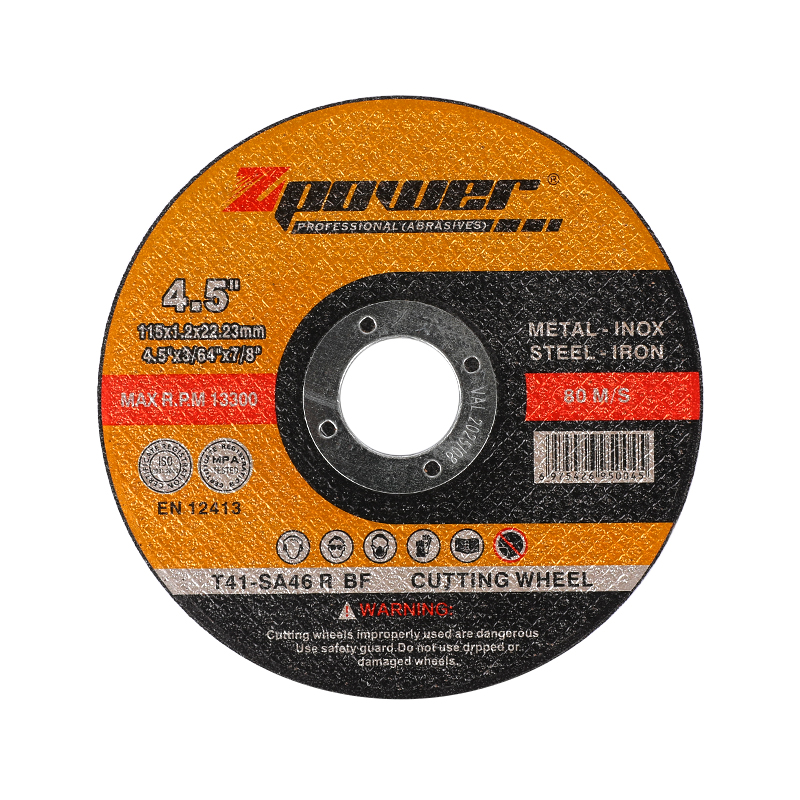
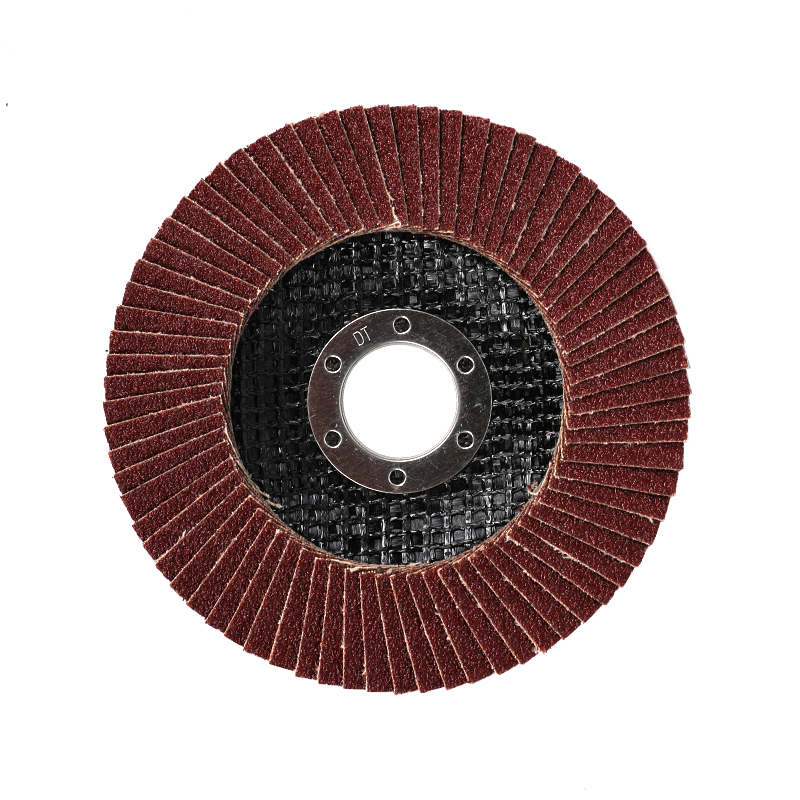
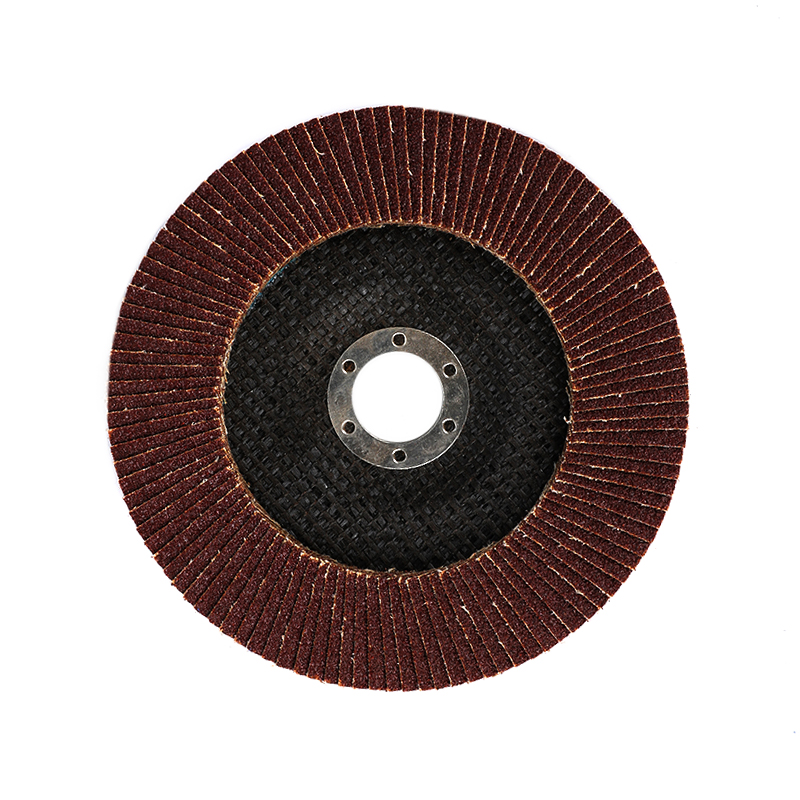
Fiber discs, flap discs, and bonded grinding wheels can all serve carbon steel, although their working characteristics differ. A bonded wheel generally handles substantial grinding pressure, while flap and fiber discs provide greater control during blending and surface refinement.

Stainless Steel: Heat and Contamination Matter
Stainless steel presents a different abrasive challenge. Excessive heat can discolor the surface, while unsuitable abrasive formulations may introduce contaminants that affect corrosion resistance. Dedicated stainless-steel discs are therefore commonly formulated without iron, sulfur, or chlorine.
- Zirconia alumina: Suitable for weld removal and medium-to-heavy grinding.
- Ceramic grain: Useful for demanding grinding jobs where consistent cutting action is required.
- Fine grit: Appropriate for blending, smoothing, and preparation before polishing.
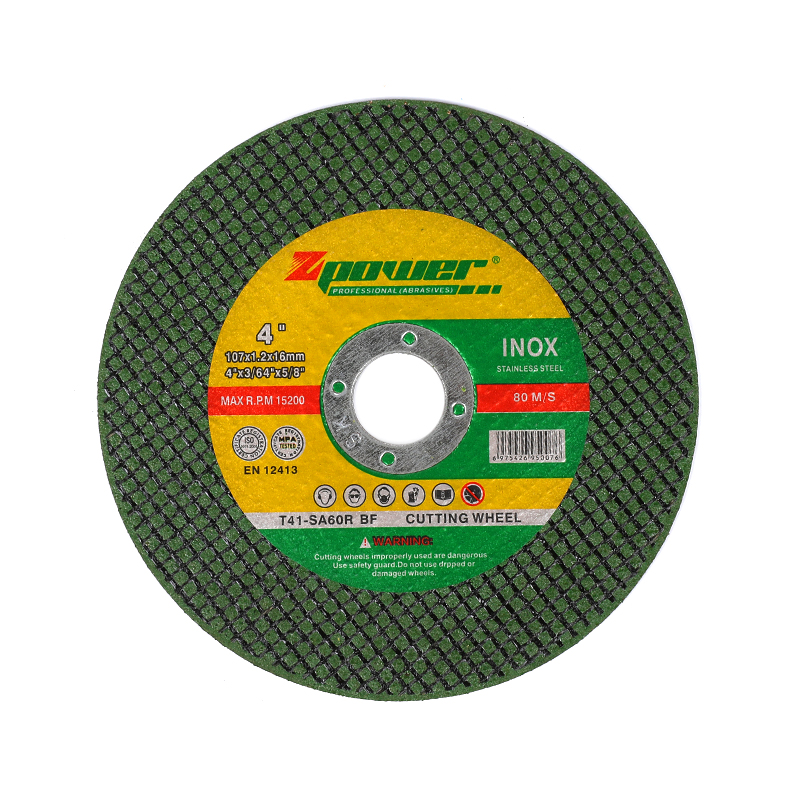
Disc specifications marked “INOX” are commonly associated with stainless-steel applications. Extra-thin cutting discs around 0.8–1.0 mm can also reduce heat input during thin stainless sheet and tube cutting.
Aluminum: Preventing Abrasive Loading
Aluminum is softer and more ductile than carbon steel. Abrasive particles can become packed with aluminum during grinding, reducing the available cutting edges and increasing friction. Open-coated or aluminum-specific abrasive products are therefore useful for controlling loading.
- 60–80 grit: Practical range for general stock removal.
- 120–180 grit: Better suited to smoothing and surface refinement.
- Open abrasive structure: Helps provide space for material release during sanding.
Dedicated aluminum discs may use softer bond characteristics or open structures that reduce clogging. Silicon carbide and specially formulated aluminum abrasives are also used across certain non-ferrous metal applications.
Cast Iron and Hard Alloys Need a Different Approach
Cast iron combines high hardness with a relatively brittle structure. Grinding generates substantial abrasive wear, so disc construction and grain toughness become important. Zirconia or ceramic abrasives can be considered for demanding removal work, while silicon carbide appears in applications involving cast iron and selected non-ferrous materials.
Hard alloys create another category. Nickel alloys and hardened steel generally require abrasive grains capable of maintaining sharp cutting points under sustained pressure. Ceramic grain is frequently used in demanding metalworking applications because its micro-fracturing behavior can expose fresh cutting edges during use.
Surface Type Should Guide Disc Selection
Metal composition is only part of the decision. Surface condition also changes the appropriate abrasive approach. A heavily welded carbon-steel joint may need coarse grinding, while the same material after weld leveling may benefit from a medium-grit flap disc. Rust removal requires a different contact behavior than edge shaping.
- Heavy welds: Coarse grinding wheels or aggressive fiber discs.
- Weld blending: Zirconia or ceramic flap discs around 40–80 grit.
- Surface refinement: Medium and fine abrasive discs.
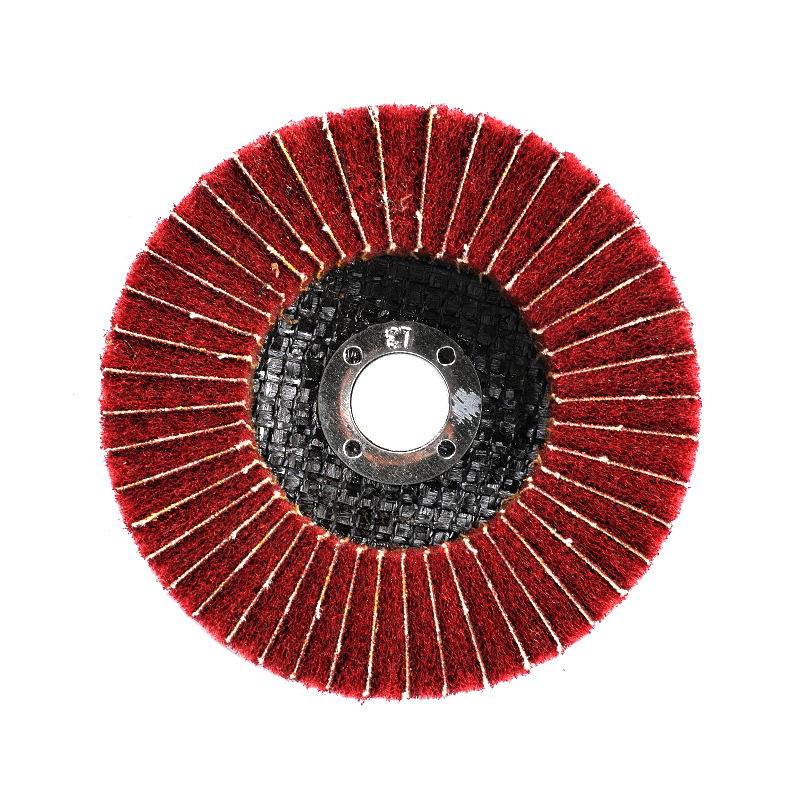
- Rust and coating removal: Non-woven or specialized surface-conditioning discs.
Matching the Disc to the Metal Surface
The right abrasive is determined by more than disc diameter. Material hardness, surface condition, required finish, grit size, abrasive grain, and disc construction all affect the result. Carbon steel generally accommodates versatile aluminum oxide and zirconia products, stainless steel benefits from dedicated low-contamination abrasives, and aluminum requires greater attention to loading.
Understanding these differences makes abrasive discs for metal easier to specify for real workshop conditions. A 125 mm disc, for example, may fit the same angle grinder across several jobs, yet the abrasive formulation and grit can be completely different depending on the metal surface being processed.

Quick Links
 Home
Home
About us
 +86-13967457388/ +86-0579-87320615
 No. 49, Weitai Road, Phase II, Zhiying, Yongkang, Jinhua City, Zhejiang, China
Copyright © 2024. YONGKANG ZHENGBO ABRASIVES CO., LTD. All rights reserved.
Aluminum Grinder Blade Factory
