


 Eng
Eng 
 عربى
عربى

How Resin Grinding Wheels Improve Control During Heavy Grinding Tasks
 2026.08.28
 Industry News
Heavy grinding operations require more than aggressive material removal. In industries such as metal fabrication, machinery manufacturing, shipbuilding, and repair workshops, operators need abrasive tools that can handle strong grinding forces while maintaining stable contact with the workpiece. Excessive vibration, uneven cutting, and uncontrolled surface damage can affect both productivity and final component quality.
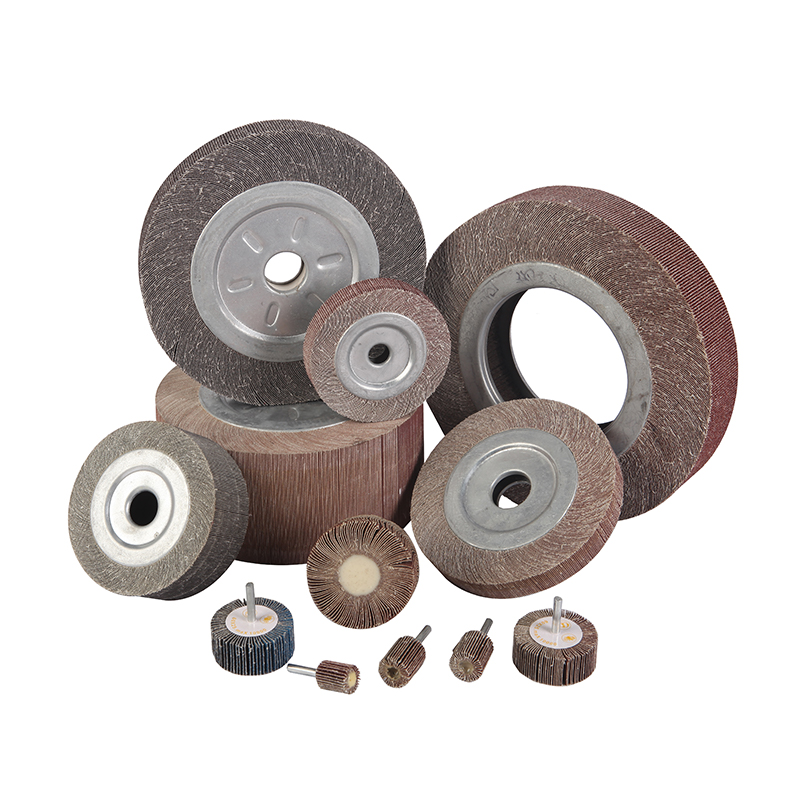
This demand has increased attention toward advanced bonded abrasive solutions. A Resin Abrasive Grinding Disc Wheel uses resin bonding technology to hold abrasive grains together while providing a balanced combination of cutting action, flexibility, and surface control. Resin-bonded wheels are widely used in grinding applications because the bond structure can support different levels of hardness, toughness, and grinding performance.
Heavy Grinding Requires Better Abrasive Control
Traditional heavy grinding tasks often involve removing weld reinforcement, shaping steel structures, correcting casting surfaces, or preparing metal components before additional processing. These operations generate high pressure between the abrasive tool and the workpiece, making tool stability an important factor.
Resin bonded grinding wheels are designed to provide a more responsive grinding experience compared with some rigid abrasive structures. The resin matrix allows controlled grain release during operation, helping expose new abrasive edges while maintaining effective cutting performance.
- Stable grinding contact: The resin bond provides a certain level of flexibility, helping the wheel adapt to different surface conditions.
- Balanced grain retention: Abrasive particles remain attached long enough to perform cutting while allowing worn grains to release gradually.
- Reduced surface stress: Controlled abrasion helps minimize excessive heat and unwanted marks during heavy-duty applications.
The Role of Resin Bond Technology in Grinding Performance
The bond system is one of the key factors that determines how a grinding wheel behaves during operation. Resin bonds are commonly made from materials such as phenolic resin and other synthetic resin systems. These bonding materials provide the flexibility required for various grinding conditions.
Compared with harder bonding systems, resin structures can offer a softer cutting feel. This characteristic makes them suitable for applications where operators need both material removal capability and better control over the grinding process.
- Phenolic resin bond: Commonly used for general grinding and cutting applications due to its strength and versatility.
- Reinforced resin structure: Additional reinforcement materials can improve wheel strength and support higher operating conditions.
- Customized hardness grades: Different resin formulations allow manufacturers to develop wheels for specific materials and grinding requirements.
Applications Expanding Across Industrial Fields
The use of resin abrasive wheels is expanding as manufacturers search for tools that can handle different materials and complex grinding requirements. Their application is no longer limited to basic workshop operations.
- Steel structure fabrication: Resin grinding wheels help remove excess weld material and prepare large metal surfaces.
- Automotive component processing: They are applied for surface correction, edge treatment, and repair operations.
- Tool manufacturing: Resin bonded abrasives are used where controlled grinding and edge retention are required.
- Heavy equipment maintenance: Repair technicians use abrasive discs for restoring worn or damaged metal parts.
The ability to combine cutting strength with smoother operation makes resin abrasive products suitable for environments where both speed and accuracy matter.
Technical Features That Influence Grinding Results
The performance of a resin abrasive grinding disc wheel depends on several technical parameters. Choosing the correct specification helps match the abrasive tool with the material, machine, and working conditions.
- Abrasive grain type: Aluminum oxide is widely used for steel grinding, while silicon carbide can be applied for specific non-ferrous materials and specialized tasks.
- Disc diameter: Common sizes include 100mm, 115mm, 125mm, 150mm, and larger industrial formats.
- Grit size: Coarser grains support heavy stock removal, while finer grains provide smoother surface finishing.
- Operating speed: Many grinding discs are designed according to specific maximum RPM ratings to maintain safe operation.
- Reinforcement design: Fiberglass reinforcement is commonly added to improve structural strength during high-speed grinding.
These factors work together to determine cutting behavior, wheel durability, and surface quality.
Why Operators Focus on Grinding Feel and Surface Results
Modern grinding operations are becoming more quality-focused. Removing material quickly is important, but operators also need to avoid problems such as deep scratches, uneven surfaces, excessive vibration, and overheating.
A resin abrasive grinding disc wheel provides a more controlled interaction between abrasive grains and the workpiece. The resin bond helps create a smoother grinding action, especially during applications that involve changing pressure levels or irregular surfaces.
- Better handling: Flexible grinding characteristics allow operators to adjust pressure more easily.
- Improved surface consistency: Controlled grain wear helps maintain a stable grinding pattern.
- Reduced rework: More predictable grinding results can reduce additional surface correction steps.
Future Development of Resin Abrasive Grinding Solutions
The abrasive industry continues to develop resin bonded products with improved grain technology, stronger reinforcement structures, and application-specific designs. New developments focus on improving grinding stability, extending working life, and supporting automated manufacturing environments.
As industrial components become larger, stronger, and more complex, grinding tools must provide reliable performance under demanding conditions. Resin abrasive solutions offer a combination of flexibility and cutting ability that supports these changing requirements.
From heavy fabrication to precision repair work, resin grinding wheels are becoming an important option for users who need controlled performance during demanding grinding tasks. Their ability to balance abrasive strength with operational stability makes them suitable for a wide range of modern metalworking applications.

Quick Links
 Home
Home
About us
 +86-13967457388/ +86-0579-87320615
 No. 49, Weitai Road, Phase II, Zhiying, Yongkang, Jinhua City, Zhejiang, China
Copyright © 2024. YONGKANG ZHENGBO ABRASIVES CO., LTD. All rights reserved.
Aluminum Grinder Blade Factory
