


 Eng
Eng 
 عربى
عربى
 Home / News / Industry News / Metal Finishing Trends: Why Flap Discs Are Used Beyond Welding Cleanup
 Metal Finishing Trends: Why Flap Discs Are Used Beyond Welding Cleanup
 2026.08.07
 Industry News
Metal fabrication has entered a new stage where surface quality is becoming just as important as material removal. A smooth finish, controlled edge profile, and clean appearance are required across automotive parts, construction components, machinery frames, and decorative metal products. Traditionally, flap discs were strongly associated with weld seam grinding and post-welding cleanup. Today, their application range has expanded into surface blending, rust removal, edge preparation, and precision finishing.
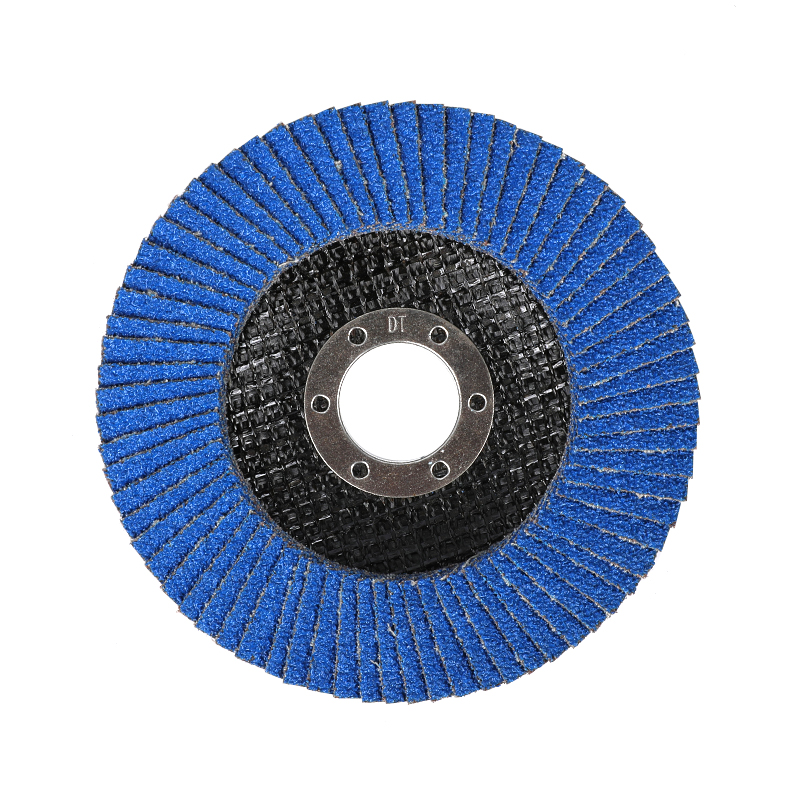
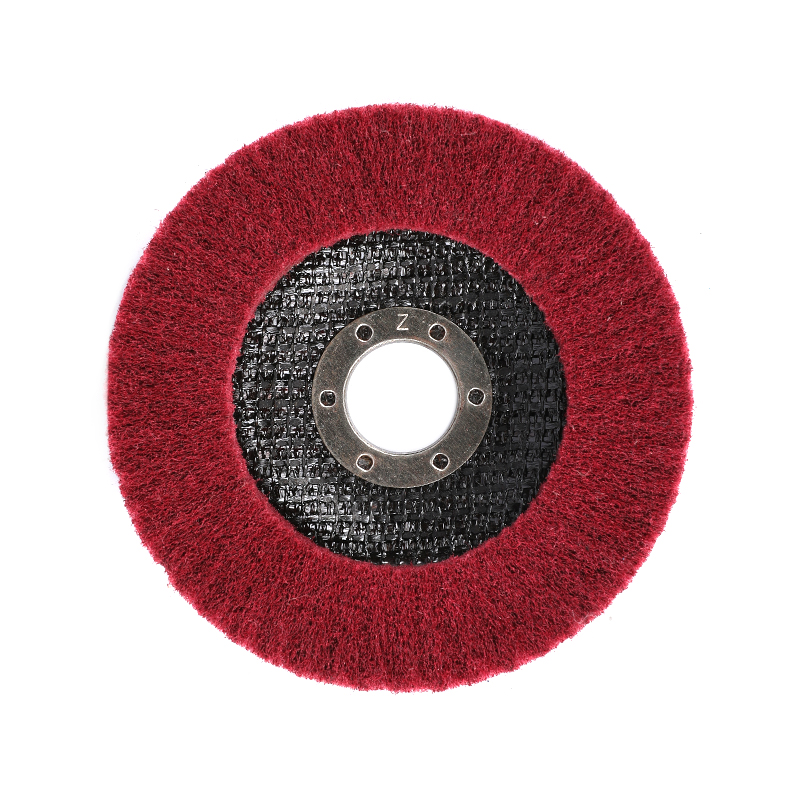
The development of advanced abrasive materials has changed how professionals approach metal finishing. Products such as Metal Wood Polishing Flap Disc are designed to provide controlled abrasion on different surfaces, allowing users to handle various finishing tasks with improved flexibility. The combination of abrasive cloth layers, backing support, and optimized grit options makes flap discs suitable for projects that require both cutting action and a refined surface texture.
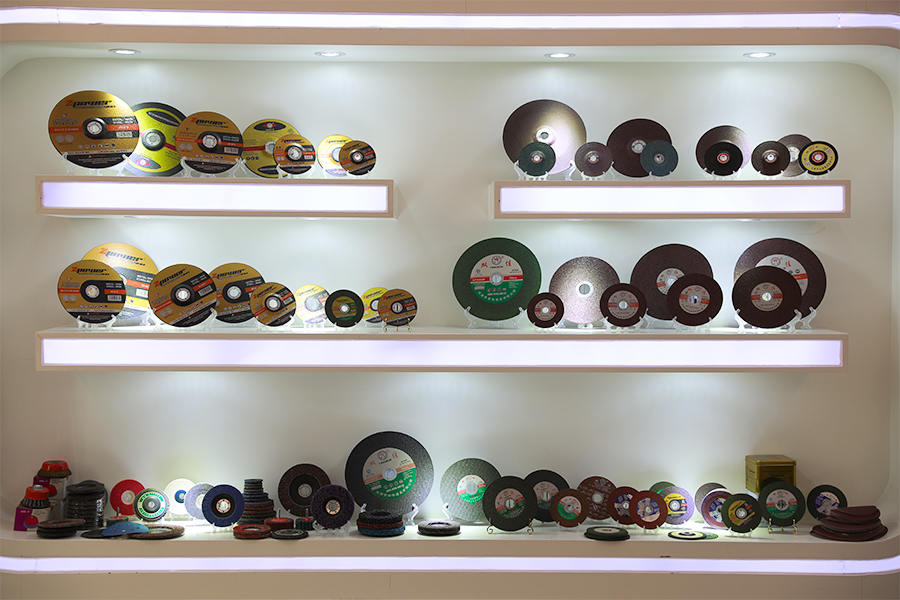
Flap Disc Applications Expand Beyond Weld Seam Treatment
Welding cleanup remains a common use for flap discs, but modern workshops now rely on these abrasive tools for many additional operations. Unlike rigid grinding wheels, flap discs contain overlapping abrasive flaps that gradually expose fresh abrasive particles during use. This structure helps maintain consistent contact with the workpiece surface.
- Surface blending: Flap discs help remove visible transition lines between welded areas and surrounding metal, creating a smoother appearance.
- Edge finishing: They are widely used to soften sharp edges after cutting, stamping, or machining processes.
- Coating preparation: Removing oxidation, light corrosion, and surface contamination improves the condition of metal before painting or coating.
- Decorative finishing: Stainless steel equipment and architectural metal products often require consistent surface patterns that flap discs can create.
This wider usage reflects a shift from simple grinding toward controlled surface engineering. Users now expect abrasive tools to provide predictable results rather than only aggressive material removal.
How Abrasive Structure Influences Finishing Results
The performance of a flap disc depends heavily on its abrasive grain, backing material, flap arrangement, and grit size. Different combinations are developed for specific materials and finishing requirements.
- Zirconia abrasive grain: Commonly used for steel and stainless steel applications because it provides strong cutting ability and good wear resistance.
- Aluminum oxide grain: Suitable for general metal grinding tasks where balanced performance and surface control are required.
- Fine grit options: Grits such as 80, 120, or higher are often used for smoother finishing and surface refinement.
- Coarse grit options: Lower grit ranges such as 36 or 40 are commonly applied for heavier grinding and material shaping.
The disc angle also affects finishing performance. Flat Type 27 flap discs are commonly used for surface work, while angled Type 29 designs provide better contact on curved areas and edges. Choosing the correct profile helps users maintain control during operation.
New Demands From Metal Fabrication Industries
Modern manufacturing requires components with improved appearance, accurate dimensions, and reduced secondary processing. Industries producing stainless steel equipment, machinery parts, vehicles, and custom metal structures are looking for abrasive solutions that can complete multiple stages with fewer tool changes.
A typical flap disc specification may include:
- Disc diameter: Common sizes include 4 inch, 4.5 inch, 5 inch, and 7 inch models for angle grinders.
- Grit range: Approximately P36 to P120, covering rough grinding through finishing applications.
- Maximum speed: Many professional flap discs are rated around 8,000–13,300 RPM depending on diameter and design.
- Backing types: Fiberglass backing and plastic backing options provide different levels of support and flexibility.
These specifications allow users to match the abrasive tool with the material type, grinder capacity, and required surface effect.
Why Surface Control Matters More Than Aggressive Grinding
Abrasive selection is no longer only about removing material quickly. Excessive grinding force may create deep scratches, uneven surfaces, or unwanted heat marks. Many professionals now focus on maintaining surface consistency throughout the finishing process.
Flap discs provide a flexible contact area that adapts better to irregular surfaces compared with traditional hard grinding wheels. This characteristic is especially useful for curved components, welded structures, and thin metal parts where excessive pressure may damage the workpiece.
- Lower vibration during operation improves operator control.
- The layered flap design supports gradual abrasive wear.
- Flexible contact reduces the risk of creating uneven grinding marks.
These advantages explain why flap discs continue gaining attention in industries that require both functional performance and visual quality.
The Future Direction of Flap Disc Technology
Abrasive manufacturers are continuing to develop products with improved grain technology, stronger backing materials, and application-specific designs. Future flap discs are expected to focus on precision finishing, reduced vibration, and compatibility with automated grinding systems.
The growing demand for customized metal surfaces means flap discs will continue moving beyond traditional welding cleanup. From industrial fabrication to creative metalworking, these tools are becoming an important solution for achieving controlled and repeatable finishing results.
Metal finishing trends show that abrasive tools are evolving from simple grinding products into multifunctional surface treatment solutions. With suitable grit selection, correct operating methods, and advanced abrasive structures, flap discs provide wider possibilities for modern metalworking applications.

Quick Links
 Home
Home
About us
 +86-13967457388/ +86-0579-87320615
 No. 49, Weitai Road, Phase II, Zhiying, Yongkang, Jinhua City, Zhejiang, China
Copyright © 2024. YONGKANG ZHENGBO ABRASIVES CO., LTD. All rights reserved.
Aluminum Grinder Blade Factory
