


 Eng
Eng 
 عربى
عربى
 Home / News / Industry News / New Applications Emerging for Nylon Fibre Abrasive Wheels in Precision Finishing
 New Applications Emerging for Nylon Fibre Abrasive Wheels in Precision Finishing
 2026.08.14
 Industry News
Precision finishing requirements are changing across many industries. Metal components used in automobiles, aerospace equipment, medical devices, machinery, and decorative products now require smoother surfaces, controlled edges, and consistent appearance. Traditional grinding tools are still important for heavy material removal, but many manufacturers are moving toward more flexible abrasive solutions for final surface treatment.
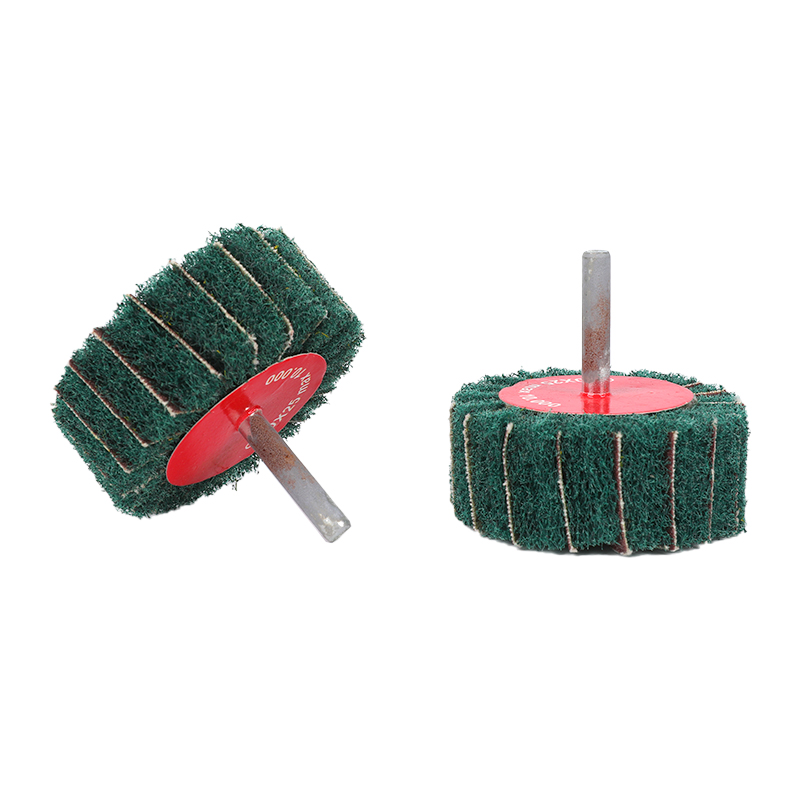
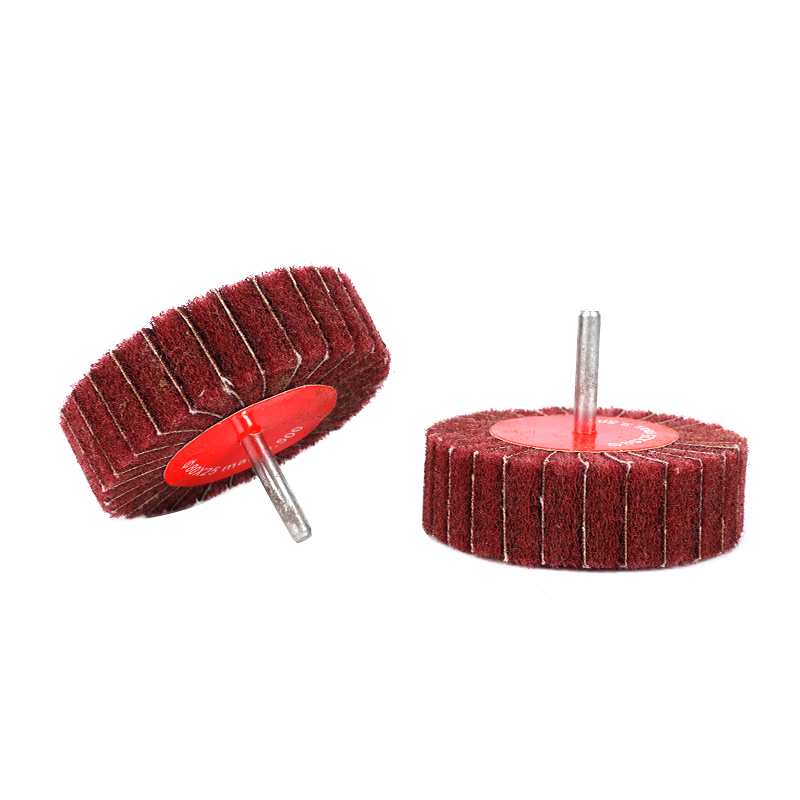
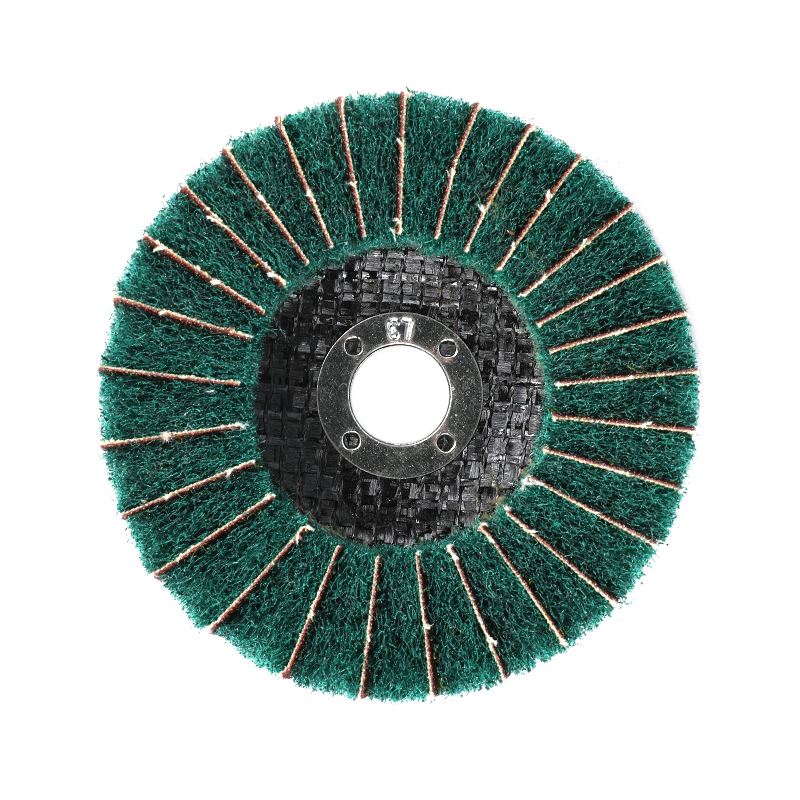
Among these solutions, Nylon Fibre Abrasive Flap Wheel technology is gaining attention because of its ability to combine gentle abrasion with accurate surface conditioning. Unlike rigid grinding wheels, nylon fibre abrasive wheels use a three-dimensional non-woven structure where abrasive grains are distributed throughout nylon fibers. This design allows the wheel to adapt to irregular shapes while maintaining a controlled finishing effect.
Growing Demand for Controlled Surface Finishing
Modern production processes are placing more focus on surface quality rather than only removing unwanted material. Components often need additional finishing steps after machining, casting, welding, or cutting. Small burrs, oxidation marks, machining lines, and surface imperfections can affect appearance and later assembly performance.
Nylon abrasive wheels are becoming useful in these applications because they provide a softer contact compared with traditional abrasive products. The flexible nylon fibers create a cushioning effect, helping operators achieve consistent finishing without aggressive cutting into the base material.
- Deburring precision parts: Nylon fibre wheels can remove small burrs from machined components while maintaining original dimensions.
- Surface blending: They help create uniform transitions between different surface areas, especially after welding or machining.
- Decorative finishing: Stainless steel panels, aluminum parts, and architectural components can achieve satin or brushed appearances.
- Pre-coating preparation: The open structure helps clean surfaces before painting, anodizing, or other treatments.
New Uses Beyond Traditional Metal Polishing
Nylon abrasive wheels were once mainly associated with cleaning and light finishing operations. Recent applications show that these products are being adopted for more specialized tasks where surface control is critical.
The automotive sector uses flexible abrasive solutions for removing oxidation, blending repair areas, and preparing components before coating. Aerospace and precision engineering industries also require finishing tools that can follow complex contours without changing the geometry of expensive parts.
- CNC machined components: Small aluminum, stainless steel, and alloy parts benefit from controlled edge refinement.
- Complex profiles: Flexible nylon structures can follow curved surfaces and detailed shapes more easily than hard abrasive wheels.
- Sensitive materials: Soft metals and decorative surfaces can be processed with reduced risk of deep scratches.
These expanding applications show that nylon abrasive technology is becoming a surface engineering solution rather than simply a polishing accessory.
How Nylon Fibre Structure Changes Abrasive Performance
The unique construction of nylon fibre wheels determines their finishing characteristics. The abrasive grains are bonded into a flexible fiber network, allowing fresh abrasive particles to appear gradually during operation. This self-renewing action supports a stable finishing pattern throughout the working process.
Typical technical features of nylon abrasive flap wheels include:
- Abrasive grain options: Aluminum oxide and silicon carbide are commonly used depending on the required surface effect.
- Grit range: Fine grades such as 180, 240, and 320 are often applied for finishing and polishing tasks, while coarser grades support cleaning and light material removal.
- Operating speed: Many nylon flap wheels are designed for different RPM ranges depending on diameter, density, and application.
- Structure type: Open-web construction improves flexibility and allows debris to escape during use.
The combination of flexible fibers and embedded abrasive grains helps reduce surface damage while maintaining stable cutting action.
Why Industries Prefer Flexible Abrasive Solutions
Rigid abrasive tools can remove material quickly, but they may create uneven marks or excessive pressure on delicate components. Precision industries often require a different approach where maintaining shape and surface appearance is equally important.
Nylon fibre abrasive wheels provide several advantages for these situations:
- Reduced surface distortion: The flexible structure adapts to the workpiece instead of creating harsh contact points.
- Consistent finish patterns: Operators can achieve repeatable surface textures across multiple components.
- Lower clogging risk: The open structure helps prevent removed material from blocking abrasive surfaces.
- Multi-material compatibility: These wheels can be used on stainless steel, aluminum, brass, and other non-ferrous materials.
For manufacturers working with complex parts, these characteristics help reduce additional finishing steps and improve overall process stability.
Future Trends in Precision Abrasive Finishing
The demand for customized surfaces and high-quality components continues to influence abrasive tool development. Future nylon fibre abrasive products are expected to focus on improved fiber density, advanced bonding technology, and application-specific designs.
Automation is also creating new opportunities. Robotic finishing systems and CNC-based surface treatment equipment require abrasive tools that can deliver predictable results over repeated production cycles. Flexible abrasive wheels are suitable for these environments because they can adapt to different part geometries while maintaining consistent performance.
As industries continue moving toward higher surface standards, nylon fibre abrasive solutions will play a larger role in precision finishing. Their ability to combine flexibility, controlled abrasion, and surface protection makes them suitable for applications where traditional grinding methods cannot provide the required finishing quality.

Quick Links
 Home
Home
About us
 +86-13967457388/ +86-0579-87320615
 No. 49, Weitai Road, Phase II, Zhiying, Yongkang, Jinhua City, Zhejiang, China
Copyright © 2024. YONGKANG ZHENGBO ABRASIVES CO., LTD. All rights reserved.
Aluminum Grinder Blade Factory
