


 Eng
Eng 
 عربى
عربى
 Home / News / Industry News / Why do angle grinder flap grinding discs deliver smoother weld blending than rigid wheels
 Why do angle grinder flap grinding discs deliver smoother weld blending than rigid wheels
 2026.07.31
 Industry News
Weld grinding is not only about removing excess metal. The final surface condition often determines whether a fabricated component requires additional finishing steps, coating preparation, or cosmetic correction. Traditional rigid grinding wheels can remove weld material quickly, but achieving a smooth transition between the weld bead and base metal requires better control.
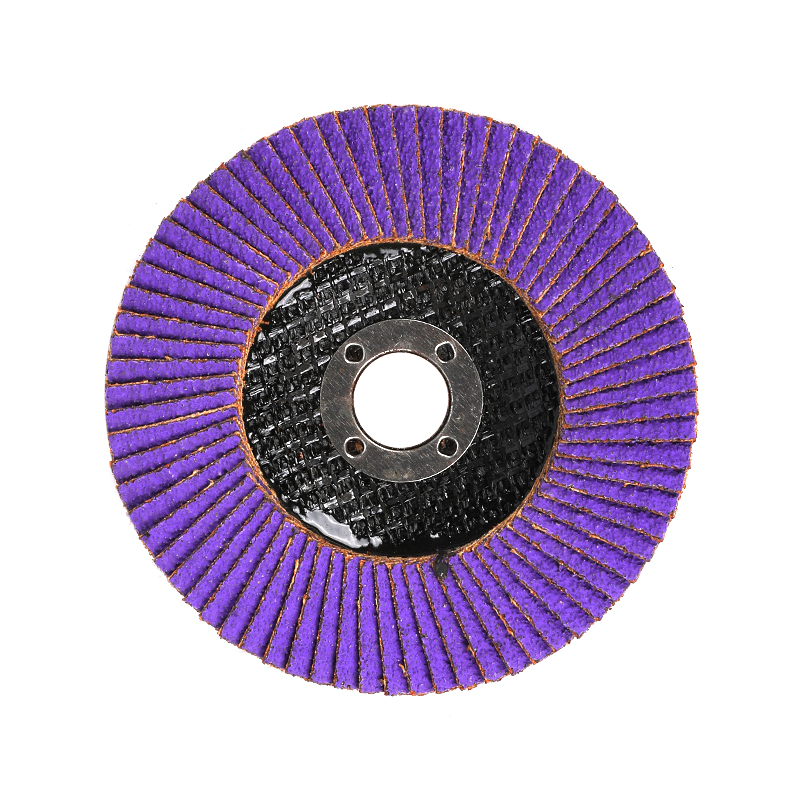
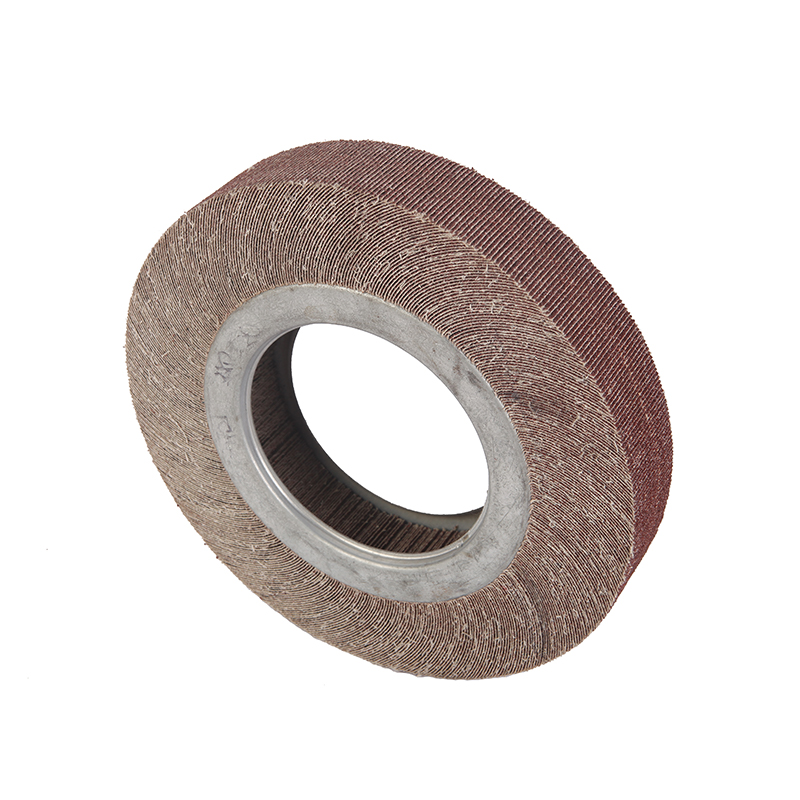
An Angle Grinder Flap Grinding Disc offers a different approach by combining material removal and surface refinement in one abrasive tool. Its overlapping abrasive flaps create a flexible grinding surface that adapts to the workpiece, helping operators achieve smoother weld blending with fewer visible grinding marks.

The structural difference behind smoother weld transitions
The main difference between flap discs and rigid wheels comes from their construction. A traditional grinding wheel uses a solid abrasive body, while a flap disc contains multiple layers of abrasive cloth arranged around the disc surface.
- Flexible abrasive layers: individual flaps adjust slightly to surface variations, reducing the chance of deep gouging.
- Progressive abrasive contact: fresh abrasive grains appear gradually as the flaps wear.
- Balanced grinding action: the disc removes weld material while creating a more blended surface profile.
This layered design allows flap discs to combine grinding and finishing functions, which is why they are widely used for weld blending, deburring, and surface preparation.
Why rigid wheels often leave rougher weld surfaces
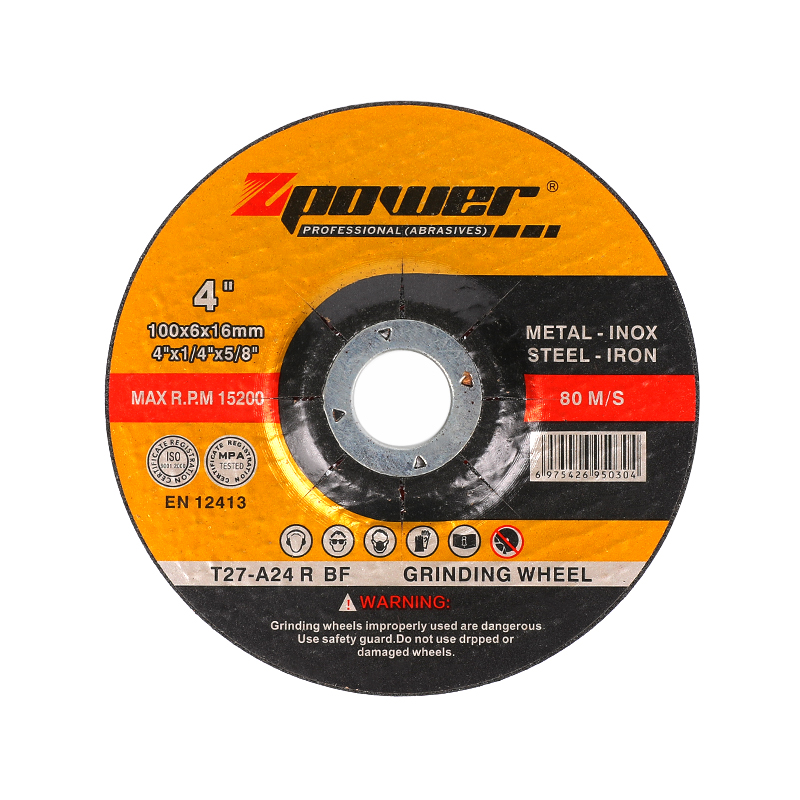
Rigid grinding wheels are designed for aggressive stock removal. Their hard structure transfers grinding force directly to the workpiece, which can be useful for heavy weld removal but may create additional finishing challenges.
- Higher contact pressure: concentrated force may create uneven grinding marks.
- Limited flexibility: the solid wheel surface cannot easily follow curved weld areas.
- More surface correction: rough grinding patterns may require another polishing or sanding step.
Grinding wheels remain useful for rapid material removal, especially on large weld deposits. However, flap discs generally provide better control for applications where surface appearance and smooth transitions matter.
How flap discs improve weld blending control
Weld blending requires creating a gradual transition between the weld reinforcement and the surrounding metal. Sudden changes in surface height can affect both appearance and later processing.
- Reduced edge digging: flexible abrasive flaps distribute contact pressure more evenly.
- Better contour adaptation: the disc can follow slightly curved or irregular weld areas.
- Controlled finishing: operators can refine the weld area without removing unnecessary base material.
These characteristics are particularly useful for MIG and TIG weld finishing, where weld beads are often smaller and require a cleaner visual transition rather than aggressive removal.
Grit selection changes the final weld appearance
The abrasive grit determines how much material the flap disc removes and how smooth the final surface becomes. A mismatch between grit size and weld condition can create either inefficient grinding or unwanted scratches.
- 36–40 grit: suitable for heavier weld removal and surface correction.
- 60 grit: provides a balance between weld blending speed and surface refinement.
- 80–120 grit: useful for smoother finishing and preparing surfaces before coating.
Many fabrication processes use coarse flap discs for initial weld shaping and finer grades for improving surface consistency.
Does a flap disc reduce heat during weld grinding?
Heat management is an important factor during metal finishing. Excessive heat can affect stainless steel appearance, create discoloration, and change surface characteristics.
- Open flap arrangement: improves airflow around the abrasive surface.
- Flexible contact: reduces concentrated friction points.
- Controlled material removal: helps prevent unnecessary grinding passes.
Compared with rigid wheels, flap discs generally provide a cooler cutting action and may reduce rework caused by rough or overheated surfaces.
Applications where smoother weld blending matters
Different industries rely on weld blending not only for appearance but also for surface preparation and component performance.
- Stainless steel equipment fabrication
- Automotive modification and repair
- Metal furniture production
- Structural component finishing
- Machinery maintenance work
Projects requiring painting, powder coating, or decorative finishing often benefit from the smoother surface produced by flap grinding systems.
Common mistakes that affect blending quality
Even a high-quality flap disc cannot deliver consistent results without correct operating technique. Several factors influence the final weld appearance.
- Using excessive force: heavy pressure compresses the flaps and creates uneven wear.
- Holding the wrong angle: incorrect contact position may leave visible scratch patterns.
- Using worn discs too long: reduced abrasive exposure can affect grinding consistency.
- Ignoring material type: stainless steel and carbon steel may require different abrasive grains.
Why flap discs are becoming common in fabrication workflows
Modern fabrication often requires fewer processing steps and improved surface quality. A tool that can remove weld material while producing a cleaner finish helps simplify workflow.
An Angle Grinder Flap Grinding Disc does not replace rigid wheels in every heavy-duty grinding situation. Large weld deposits and deep material removal may still require stronger grinding solutions. However, for weld blending tasks where surface smoothness, operator control, and reduced finishing work are important, flap discs provide a practical advantage.
The reason behind their smoother results is not simply the abrasive material itself. The combination of flexible flap construction, controlled pressure distribution, and gradual abrasive exposure allows these discs to create a more natural transition between welds and base metal, making them a valuable option for modern metal fabrication applications.

Quick Links
 Home
Home
About us
 +86-13967457388/ +86-0579-87320615
 No. 49, Weitai Road, Phase II, Zhiying, Yongkang, Jinhua City, Zhejiang, China
Copyright © 2024. YONGKANG ZHENGBO ABRASIVES CO., LTD. All rights reserved.
Aluminum Grinder Blade Factory
