


 Eng
Eng 
 عربى
عربى

Grinding Disc or Cutting Disc: Which Does Metal Users Confuse
 2026.06.12
 Industry News
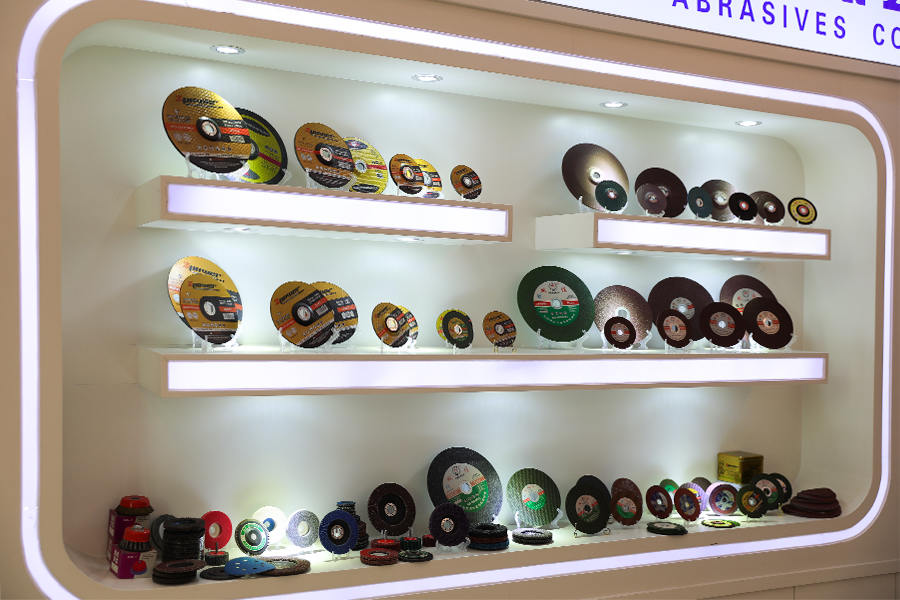
Industrial users often mix up a Metal Grinding Disc Grinding Wheel and a cutting disc during daily metalworking tasks. This confusion can affect surface quality, tool lifespan, and even operator safety. Both tools look similar at a glance, yet their internal structure, abrasive density, and working purpose differ significantly. Understanding how each disc behaves under load helps avoid misuse and improves machining consistency across steel, stainless steel, and alloy materials.
Functional Differences Between Disc Types
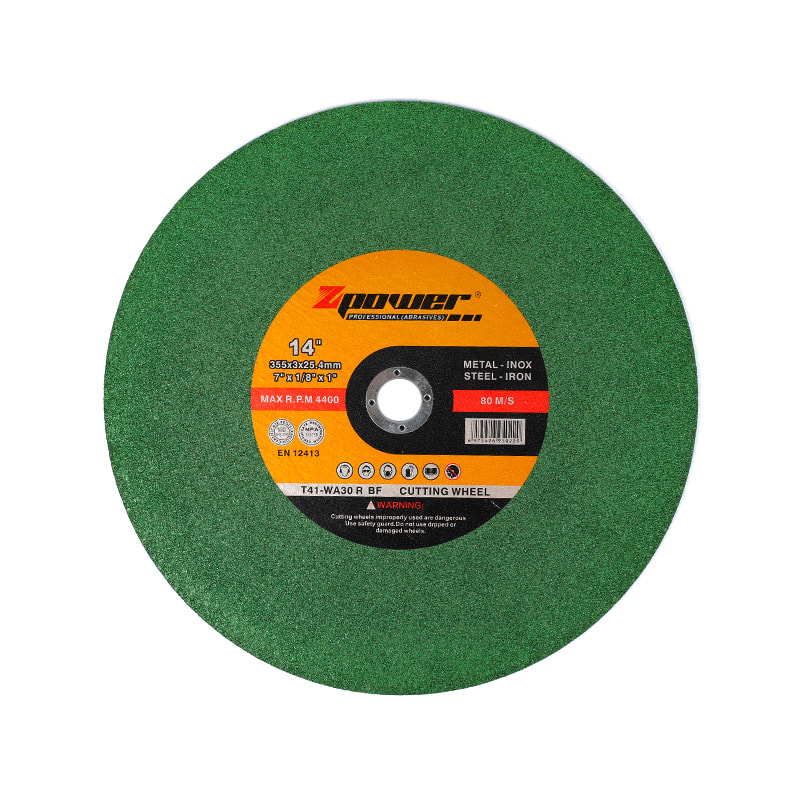
A grinding wheel is designed for material removal through abrasion, while a cutting disc focuses on slicing through metal with minimal lateral resistance. Grinding wheels are typically thicker, often ranging from 6 mm to 8 mm, while cutting discs can be as thin as 0.8 mm to 2.5 mm.
- Grinding discs operate with side pressure and controlled contact area expansion.
- Cutting discs rely on linear penetration rather than surface abrasion.
- Bond structure in grinding wheels is denser to resist lateral stress.
The difference in design explains why swapping them incorrectly creates uneven performance or premature wear.
Common Misinterpretation in Workshop Use
A frequent issue appears in workshops where operators use a Metal Grinding Disc Grinding Wheel for slicing operations. This creates excessive friction and heat, especially on stainless steel grades such as 304 or 316, which naturally resist abrasion.
- Using grinding wheels for cutting produces widened kerf and slower penetration.
- Cutting discs used for grinding may shatter due to lateral force stress.
- Misuse increases vibration, affecting angle stability of handheld grinders.
User feedback from fabrication environments often mentions “skipping contact” or “burn marks,” which usually trace back to incorrect disc selection.
Heat Generation and Material Response
Heat plays a critical role in disc performance. Grinding wheels generate broader surface friction, distributing heat across a wider area. Cutting discs concentrate heat along a narrow line, which increases efficiency but requires controlled feed rate. Typical operational parameters: Grinding wheel rotational range: 6,000–12,000 RPM Cutting disc rotational range: 10,000–15,000 RPM Stainless steel surface temperature during grinding: can exceed 400°C locally Excess heat softens bonding resin in abrasive layers, reducing structural stability and shortening disc lifespan.
- Continuous pressure increases thermal load and weakens abrasive grains.
- Interrupted cutting patterns help stabilize temperature distribution.
- Cooling pauses improve consistency in stainless steel applications.
Material Compatibility Challenges
Not all discs perform equally across different metals. Stainless steel introduces unique challenges due to its hardness and low thermal conductivity. Mild steel behaves more predictably, while alloy steels require stronger abrasive bonds. A Metal Grinding Disc Grinding Wheel often uses aluminum oxide or zirconia grains, each reacting differently depending on the base material.
- Aluminum oxide suits general steel fabrication with moderate durability.
- Zirconia improves longevity on harder alloys and stainless grades.
- Ceramic abrasives offer stable performance under high load conditions.
Mismatch between abrasive type and metal hardness results in rapid glazing or uneven wear patterns.
Operational Safety and Stability Factors
Grinding discs are engineered for angled contact, usually between 15° and 30° relative to the work surface. Cutting discs require straight alignment with minimal deviation. Mixing these operational angles often causes instability.
- Side loading a cutting disc increases fracture probability.
- Flat grinding on a thin cutting disc accelerates edge failure.
- Loose clamping of workpieces increases vibration feedback.
Industry reports frequently link disc failure events to improper angle control rather than manufacturing defects.
Workshop Selection Practices
Many professional environments adopt color-coded or labeled disc storage systems to reduce confusion. Thickness marking and grit classification also help operators quickly identify suitable tools. Recommended practice guidelines: Keep grinding and cutting discs in separate storage zones Match disc thickness with task type before mounting Inspect fiberglass reinforcement layers before use These steps reduce accidental misuse and extend tool reliability in repetitive production environments.
Operational Clarity Improves Cutting Consistency
Confusion between grinding and cutting discs remains a recurring issue in metal fabrication. A clear understanding of structural differences in a Metal Grinding Disc Grinding Wheel helps operators avoid inefficient cutting behavior and unnecessary disc damage. Stable results come from aligning disc type, material hardness, and application method rather than relying on interchangeable use. Careful handling, correct angle control, and appropriate abrasive selection create more predictable outcomes across varied metalworking tasks.

Quick Links
 Home
Home
About us
 +86-13967457388/ +86-0579-87320615
 No. 49, Weitai Road, Phase II, Zhiying, Yongkang, Jinhua City, Zhejiang, China
Copyright © 2024. YONGKANG ZHENGBO ABRASIVES CO., LTD. All rights reserved.
Aluminum Grinder Blade Factory
