


 Eng
Eng 
 عربى
عربى

Why Stainless Steel Cutting Discs Heat Up Faster
 2026.06.19
 Industry News
Overheating is a frequent concern for operators using an industrial stainless steel cutting disc. Unlike mild steel, stainless steel has low thermal conductivity, which traps heat at the cutting edge. This often leads to faster wear, discoloration, and even temporary softening of the abrasive material. Understanding the factors behind rapid heating is essential for both safety and efficiency.
Thermal Properties of Stainless Steel
Stainless steel alloys, such as 304 and 316, conduct heat slowly. This property causes high local temperatures where the cutting disc contacts the material. Even discs with robust resin bonding can start to soften under extreme heat, reducing cutting performance.
- Low thermal conductivity causes sparks and localized heating to concentrate at the cut site.
- Repeated cuts in the same area without cooling breaks exacerbate the heat buildup.
- High-alloy stainless steels require more force, producing additional friction and heat.
Disc Thickness and Diameter Effects
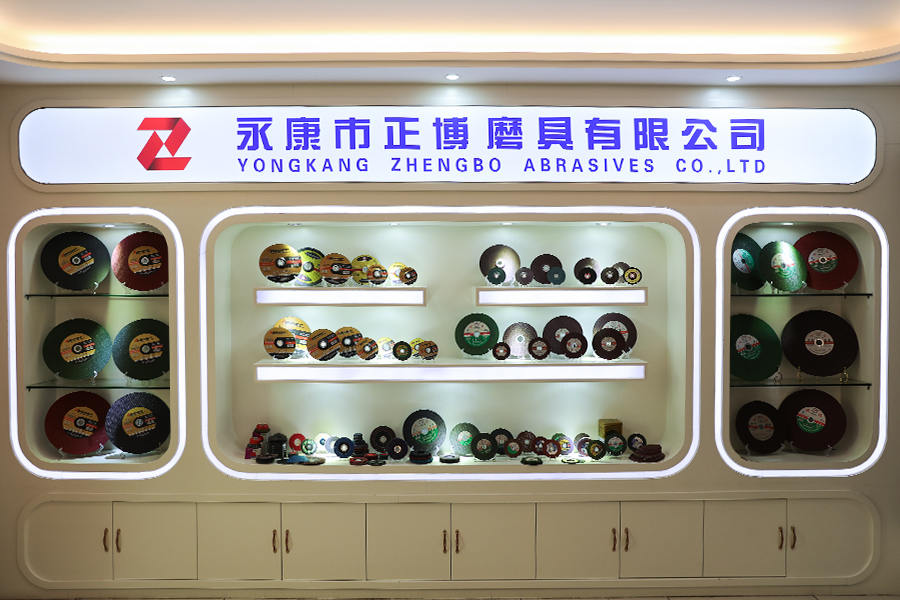
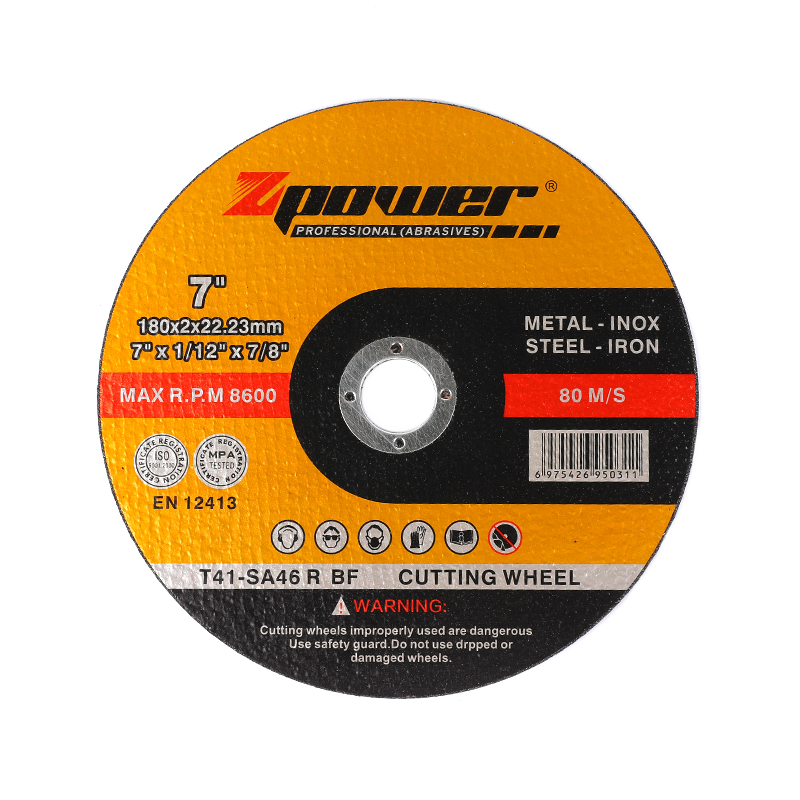
Cutting discs for stainless steel often range from 1.0 mm to 2.5 mm thickness. Thin discs reduce cutting resistance but are more prone to heat concentration. Larger diameter discs increase contact area, dissipating heat slightly better, but also require higher RPM to maintain cutting speed.
- Thicker discs absorb more energy, generating heat over a broader area.
- Ultra-thin discs may warp under heat if operator pressure is uneven.
- Matching disc diameter to grinder RPM ensures stable performance and lower overheating risk.
Impact of Cutting Technique
Operator technique directly influences overheating. Pushing the disc too hard or maintaining prolonged contact in one area concentrates energy and friction. Many users report that rapid, shallow passes reduce heat while preserving disc lifespan.
- Slow feed rates or forcing the disc can create red-hot surfaces on stainless steel.
- Pausing to let the disc cool every few seconds prevents resin softening.
- Multiple shallow passes are preferable to one deep cut for controlled temperature.
Abrasive Composition and Bonding
Stainless steel cutting discs typically use zirconia alumina or ceramic abrasives for durability. The resin bond holds the abrasive particles but is sensitive to heat. Excessive temperature can weaken the bond, causing premature wear or edge chipping.
- Zirconia abrasives resist higher loads and maintain cutting efficiency longer.
- Ceramic grains stay sharp under higher heat but require careful handling to prevent brittleness.
- Overheated resin bonds may emit smoke or produce black residue on the cut surface.
Cooling Strategies to Reduce Overheating
Cooling the disc can prevent heat-related failures. Users often dip stainless steel or the disc briefly in water, or pause cutting for natural heat dissipation. Avoid sudden extreme temperature changes, as this can stress the disc and cause cracks.
- Allow the disc to cool between cuts to maintain bond strength.
- Use air circulation or a fan to disperse heat during prolonged work.
- Avoid submerging a hot disc in cold water; gradual cooling is safer.
Maintenance and Disc Selection Tips
Keeping discs in optimal condition improves performance on stainless steel. Regular inspection for cracks, edge wear, and resin degradation is essential. Choosing the right disc for alloy type ensures stable cutting temperatures and avoids overheating.
- Replace discs beyond their "do not use after" date to prevent resin weakening.
- Select disc grit suitable for stainless steel thickness and hardness.
- Store discs in dry conditions to prevent moisture absorption, which can worsen heat sensitivity.
Controlling Heat for Safe Cutting
Overheating a stainless steel cutting disc is avoidable with proper technique, appropriate disc selection, and temperature management. Understanding thermal behavior, disc properties, and cutting methods enhances both safety and efficiency. Consistent monitoring, shallow cutting passes, and careful cooling ensure longer disc life and more precise stainless steel cuts.

Quick Links
 Home
Home
About us
 +86-13967457388/ +86-0579-87320615
 No. 49, Weitai Road, Phase II, Zhiying, Yongkang, Jinhua City, Zhejiang, China
Copyright © 2024. YONGKANG ZHENGBO ABRASIVES CO., LTD. All rights reserved.
Aluminum Grinder Blade Factory
