


 Eng
Eng 
 عربى
عربى

Exploring the Versatility of Flap Discs in Surface Preparation
 2026.04.10
 Industry News
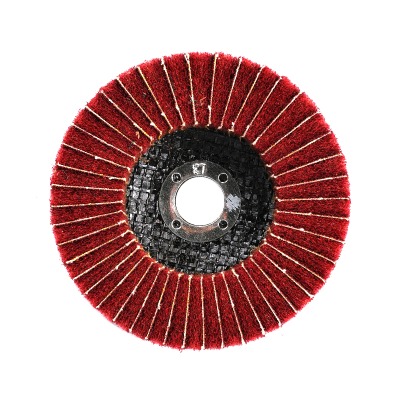
In metalworking and fabrication, achieving smooth and precise surfaces is often as important as shaping the material itself. Flap Discs are a tool that has become widely used for this purpose, offering a combination of grinding, blending, and finishing in a single accessory. Unlike traditional grinding wheels, flap discs consist of overlapping layers of abrasive material that wear evenly over time, providing a more controlled finish.
What Are Flap Discs?
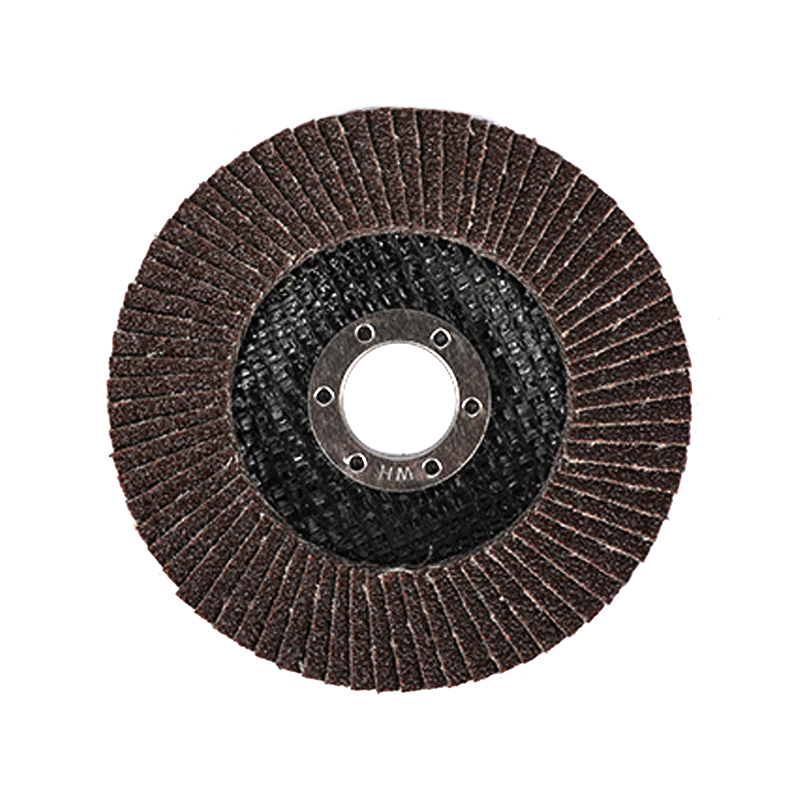
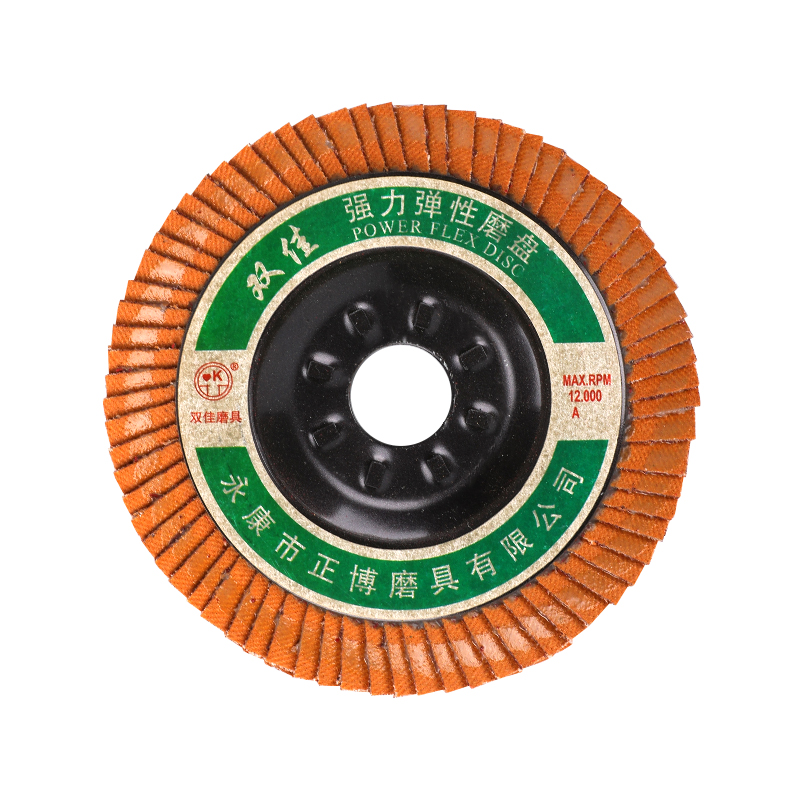
Flap Discs are made by layering small abrasive flaps over a central hub. The flaps are arranged in a radial pattern, allowing them to wear gradually as they are used. This design provides a balance between material removal and surface smoothness, which makes them suitable for a variety of applications in metal fabrication and woodworking.
These discs are typically attached to angle grinders, making them compatible with tools already common in workshops. The design allows for greater control compared to conventional grinding wheels, which can remove material more aggressively and unevenly.
Applications Across Different Projects
A Flap Disc can serve multiple purposes:
- Smoothing weld seams after fabrication
- Removing rust or paint from metal surfaces
- Blending surface imperfections
- Shaping and rounding edges
This flexibility makes flap discs a practical choice for professionals and hobbyists alike. Whether preparing a metal piece for painting or finishing a structural weld, the disc can provide consistent results without the need to switch tools frequently.
Benefits of Using Flap Discs
One of the key advantages of Flap Discs is the even wear they offer. As the abrasive flaps wear down, fresh layers are exposed, maintaining the disc's cutting efficiency. This contrasts with some grinding wheels, which can develop grooves or uneven surfaces over time.
Flap discs also reduce the risk of overheating the workpiece. Their design allows for better airflow and less aggressive contact with the surface, which can help prevent discoloration or warping of metal parts.
Choosing the Right Flap Disc
When selecting a Flap Disc, it is important to consider the grit, material, and type of backing. Coarser grits are better for rapid material removal, while finer grits provide smoother finishes. Discs can be made with aluminum oxide, zirconia alumina, or ceramic abrasives, each suited for different metals and levels of hardness.
The backing can be either fiber or plastic, affecting flexibility and durability. Fiber-backed discs are more rigid and suited for heavy grinding, while plastic-backed discs offer more control for finishing tasks.
Tips for Effective Use
To get the best results from flap discs:
- Use steady pressure and maintain a consistent angle on the workpiece
- Avoid forcing the disc into the material, which can reduce lifespan
- Select the correct grit and backing type for the specific application
- Rotate the disc gradually to ensure even wear
Following these guidelines helps achieve smoother finishes and extends the tool's usability.
A Versatile Tool for Every Workshop
Flap Discs have become a practical solution for workshops that require both efficiency and quality in surface preparation. They combine grinding, blending, and finishing in one tool, allowing users to handle multiple tasks without constantly changing attachments.
By choosing the right flap disc for each application and using it carefully, metalworkers can improve both the consistency and quality of their work, making these discs a reliable addition to any tool collection.

Quick Links
 Home
Home
About us
 +86-13967457388/ +86-0579-87320615
 No. 49, Weitai Road, Phase II, Zhiying, Yongkang, Jinhua City, Zhejiang, China
Copyright © 2024. YONGKANG ZHENGBO ABRASIVES CO., LTD. All rights reserved.
Aluminum Grinder Blade Factory
