


 Eng
Eng 
 عربى
عربى

Alumina Grinding Wheels Offer Reliable Surface Finishing
 2026.04.03
 Industry News
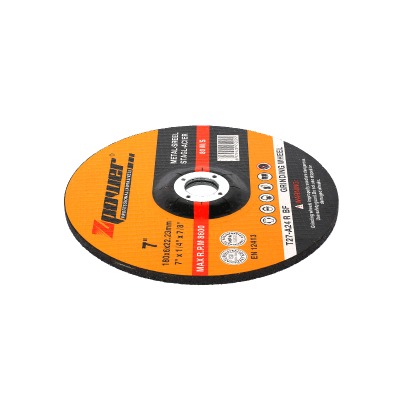
In metalworking and fabrication, achieving smooth, precise surfaces is essential. One tool that plays an important role in these processes is the Alumina Grinding Wheel. Known for its durability and abrasive qualities, it is suitable for a wide range of grinding tasks, from shaping steel to smoothing aluminum parts.
Alumina grinding wheels are composed of high-quality alumina abrasives, which provide a consistent cutting surface while resisting wear. When paired with appropriate machinery, these wheels help maintain uniform results across multiple projects. Many workshops also find that using the right alumina wheel reduces material waste, making operations more efficient and cost-effective.
Types and Variations
Alumina Grinding Wheels come in different forms, each suited for specific tasks:
- Straight Wheels: Mainly used for general surface grinding.
- Cylinder Wheels: Ideal for grinding flat surfaces or slots.
- Tapered Wheels: Provide access to corners and hard-to-reach areas.
Additionally, wheels are available in various grit sizes and bonding materials. Choosing the correct combination ensures that the wheel performs well for a specific type of metal and desired finish. Some workshops even customize wheels for specific applications, such as finishing delicate components or heavy-duty steel bars.
Benefits in the Workshop
Using Alumina Grinding Wheels has several advantages. First, they provide consistent abrasion, reducing the time and effort needed to finish metal surfaces. Second, their resistance to wear allows repeated use without losing shape, helping maintain production quality.
Safety is another important factor. These wheels are designed to withstand normal operational stresses, lowering the risk of breakage during use. Compared to generic abrasive tools, alumina wheels offer reliable performance for both casual and industrial applications. They also allow operators to focus on precise shaping or finishing without constantly replacing the wheel.
Practical Applications
Alumina grinding wheels are versatile in use:
- Metal Fabrication: Cutting, shaping, and smoothing steel, aluminum, and other metals.
- Tool Maintenance: Sharpening blades and other cutting tools.
- Industrial Production: Finishing machinery components and metal parts.
This versatility makes them suitable for workshops handling different types of metal, allowing operators to work efficiently without changing tools frequently. Some operators also use these wheels in combination with polishing compounds to achieve a refined finish on decorative metalwork.
Maintenance and Handling
To ensure longevity and safety, Alumina Grinding Wheels should be maintained properly. Cleaning after use prevents metal particles from building up on the surface, and regular inspections can detect cracks or uneven wear. Storing wheels in a dry, stable environment helps preserve their texture and performance.
Routine care not only prolongs the wheel's life but also contributes to safer operations in the workshop. Using protective equipment such as gloves and goggles further reduces risks while grinding.
Enhancing Workflow
The consistent performance of Alumina Grinding Wheels can improve workflow by making repetitive grinding tasks predictable. Operators can focus on precision and accuracy rather than correcting inconsistencies caused by worn or uneven tools. Additionally, smoother grinding reduces material waste, which is beneficial for both cost and efficiency. With experience, operators can even estimate the optimal wheel type for each project, making planning easier.
Alumina Grinding Wheels are practical, reliable tools for a variety of metalworking applications. Their durability, consistent abrasion, and adaptability make them a valuable addition to any workshop or industrial setting. With proper care and regular maintenance, these wheels ensure precise finishes and smooth operations, supporting both small-scale projects and larger production tasks. They remain a trusted component for shaping, finishing, and maintaining metal surfaces efficiently.

Quick Links
 Home
Home
About us
 +86-13967457388/ +86-0579-87320615
 No. 49, Weitai Road, Phase II, Zhiying, Yongkang, Jinhua City, Zhejiang, China
Copyright © 2024. YONGKANG ZHENGBO ABRASIVES CO., LTD. All rights reserved.
Aluminum Grinder Blade Factory
