


 Eng
Eng 
 عربى
عربى

Grinding Wheels for Metal as Essential Tools in Metalworking
 2026.04.17
 Industry News
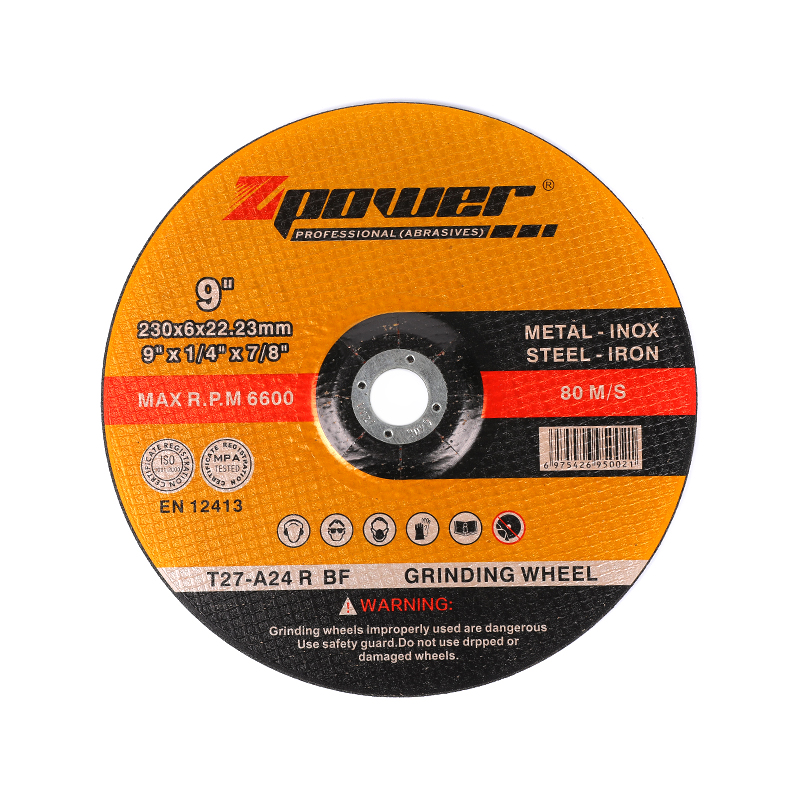
Metalworking often requires both precision and durability, and the tools chosen can influence the outcome of a project. Grinding Wheels for Metal are essential in many workshops, providing a reliable way to shape, smooth, and finish metal surfaces. These wheels, available in various sizes, materials, and abrasiveness levels, offer flexibility for both professional and DIY applications.
What Are Grinding Wheels for Metal?
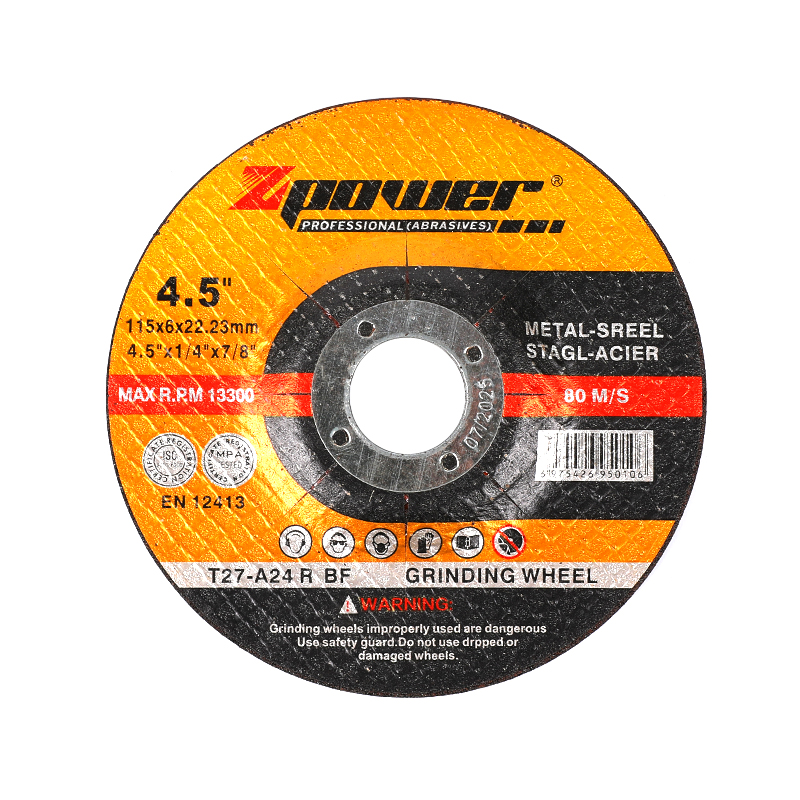
Grinding Wheels for Metal are circular tools made of abrasive particles bonded together to create a firm, abrasive surface. They attach to bench grinders, angle grinders, or other rotary tools and are used to remove material from a workpiece, sharpen tools, or create a smooth finish.
Different abrasive types, such as aluminum oxide, silicon carbide, or ceramic, are selected depending on the type of metal and the desired result. Aluminum oxide wheels, for example, are commonly used for steel, while silicon carbide may be preferred for non-ferrous metals.
Practical Applications
Grinding Wheels for Metal serve multiple purposes in a workshop:
- Sharpening blades and cutting tools
- Removing rust, burrs, or weld marks
- Shaping metal parts for fabrication or repair
- Polishing surfaces for a smoother finish
Their versatility makes them valuable in industrial settings, automotive repair, and home workshops. They also allow for efficient removal of material without excessive manual effort, saving both time and energy.
Selecting the Right Wheel
Choosing the correct Grinding Wheels for Metal involves considering factors like wheel size, grit, and bonding material. A coarser grit removes material quickly, while a finer grit provides a smoother finish. Bonding materials, such as vitrified or resin bonds, affect durability and the wheel's ability to maintain shape under pressure.
The speed rating of the wheel is another important factor. Using a wheel with a compatible speed for your grinder ensures safety and consistent performance. An incorrect speed may cause excessive wear or even breakage.
Safety and Handling
Safety is a crucial aspect of using Grinding Wheels for Metal. Protective gear, including goggles, gloves, and face shields, helps prevent injuries from sparks or debris. Wheels should be inspected for cracks or damage before use, and proper mounting ensures stability during operation.
Additionally, maintaining a consistent pressure while grinding reduces the risk of overheating the metal or causing wheel wear. Allowing the wheel to cool periodically can also extend its lifespan and maintain its effectiveness.
Maintenance and Longevity
Regular maintenance of Grinding Wheels for Metal ensures consistent performance. Dressing the wheel removes embedded metal particles and exposes fresh abrasive, improving efficiency. Storing wheels in a dry, cool place prevents moisture damage and preserves the bonding material.
Proper use and maintenance help the wheel last longer, reduce replacement costs, and maintain the quality of the workpiece.
A Practical Tool for Every Metal Workshop
Grinding Wheels for Metal combine versatility, durability, and precision, making them a staple in workshops. Whether used for shaping, sharpening, or finishing, they allow workers to achieve consistent results with less effort.
By understanding the characteristics and proper handling of these wheels, metalworkers can improve productivity, maintain safety, and achieve quality results across a range of projects. These tools are more than just abrasives—they are integral to efficient and reliable metalworking.

Quick Links
 Home
Home
About us
 +86-13967457388/ +86-0579-87320615
 No. 49, Weitai Road, Phase II, Zhiying, Yongkang, Jinhua City, Zhejiang, China
Copyright © 2024. YONGKANG ZHENGBO ABRASIVES CO., LTD. All rights reserved.
Aluminum Grinder Blade Factory
