


 Eng
Eng 
 عربى
عربى
 Home / News / Industry News / Do nylon fiber flap polishing wheels actually improve fine scratch control on stainless finishes
 Do nylon fiber flap polishing wheels actually improve fine scratch control on stainless finishes
 2026.07.24
 Industry News
Stainless steel finishing requires much more than simply removing visible marks. A surface that looks polished from a distance may still contain uneven scratches, random swirl patterns, or heat discoloration under closer inspection. This makes scratch control one of the key challenges during stainless steel polishing operations.
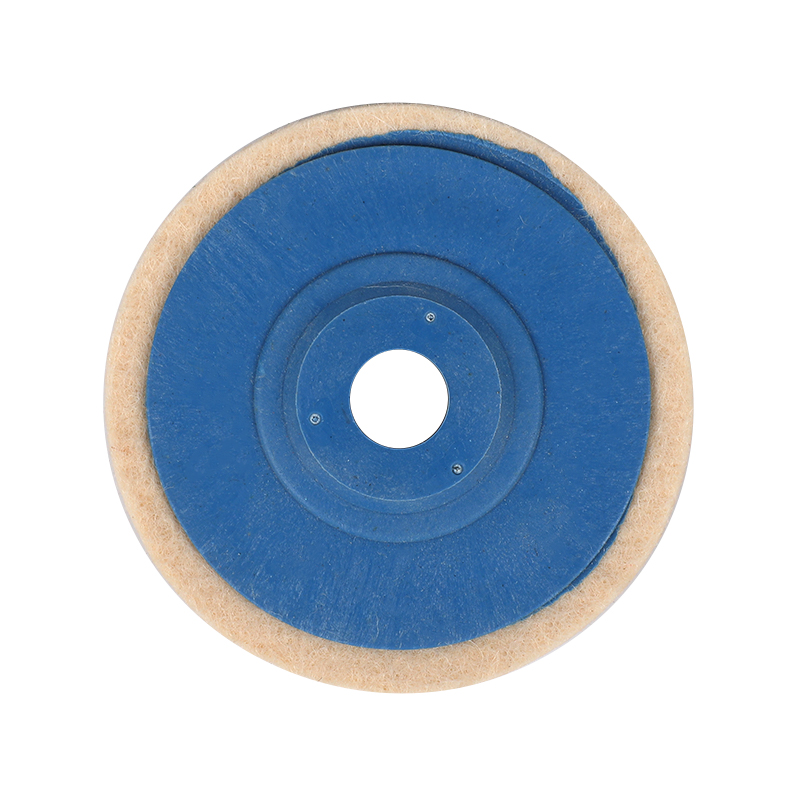
A Nylon Fiber Flap Polishing Wheel uses a flexible non-woven nylon structure combined with abrasive grains to create a softer and more controlled finishing process. Unlike traditional rigid abrasive wheels, the open fiber network allows the abrasive surface to adapt to the workpiece shape while reducing aggressive cutting behavior. These characteristics make nylon fiber flap wheels suitable for satin finishing, blending, deburring, and surface refinement on stainless steel.
How nylon fiber structure changes scratch behavior
Scratch patterns on stainless steel are mainly influenced by abrasive pressure, grain distribution, and contact stability. A conventional grinding wheel removes material through direct cutting action, which may create deeper and more visible marks.
Nylon fiber flap wheels work differently because the abrasive particles are distributed throughout flexible fibers.
- Flexible abrasive contact: the nylon structure follows surface contours and reduces uneven pressure points.
- Uniform wear pattern: new abrasive particles become exposed gradually during use.
- Reduced surface gouging: softer contact helps avoid deep cutting marks on stainless surfaces.
Non-woven abrasive materials are commonly produced from tangled nylon or polyester fibers combined with abrasive particles bonded into the structure. This open design supports consistent finishing results and helps remove surface contamination without creating heavy grinding lines.
Why stainless steel requires controlled polishing methods
Stainless steel is widely used in food equipment, architectural panels, kitchen appliances, and industrial components because of its corrosion resistance and appearance. However, the visual quality of stainless steel depends heavily on surface consistency.
- Fine scratches: small irregular marks can affect reflected light and create uneven appearance.
- Heat sensitivity: excessive friction may create discoloration or surface distortion.
- Brushed finish requirements: decorative applications require controlled scratch direction.
Abrasive nylon wheels are often used to create satin and brushed finishes because they can blend surface imperfections while maintaining a more consistent texture compared with aggressive grinding tools.
Can nylon fiber wheels remove scratches completely?
The answer depends on scratch depth and the condition of the stainless surface. A nylon fiber flap polishing wheel is designed mainly for refinement rather than heavy stock removal.
- Light surface marks: can often be blended effectively through controlled abrasive action.
- Medium scratches: may require previous grinding or sanding steps before polishing.
- Deep damage: usually needs stronger abrasives before final finishing.
Many stainless steel polishing processes use multiple abrasive stages, starting with material correction and moving toward finer finishing. Nylon fiber wheels are commonly positioned in the later stages where appearance consistency becomes more important than rapid material removal.
The influence of abrasive grit on stainless steel appearance
Different grit levels create different surface textures. Choosing the wrong abrasive grade may either leave visible scratches or fail to remove existing defects.
- Coarse grades: suitable for stronger cleaning, oxidation removal, and surface preparation.
- Medium grades: useful for blending welding areas and creating satin textures.
- Fine grades: designed for final appearance improvement and smoother finishes.
A 320-grit nylon fiber polishing wheel, for example, is commonly marketed for creating matte, satin, and polished effects on stainless steel and other materials.
How does a nylon fiber flap wheel reduce heat marks?
Heat generation is a frequent problem during stainless steel finishing. Excessive temperature can create unwanted color changes and make the surface harder to refine.
- Open fiber structure: allows airflow through the abrasive body.
- Lower contact pressure: reduces friction concentration on small areas.
- Flexible cutting action: avoids excessive digging into the metal.
Some nylon abrasive products use resin-reinforced fiber structures designed to operate cooler and resist loading during finishing operations.
Applications where scratch control matters most
The demand for controlled finishing is especially high in industries where stainless steel appearance directly affects product value.
- Stainless steel kitchen equipment
- Elevator panels and decorative metal surfaces
- Medical and laboratory equipment
- Architectural stainless components
- Automotive stainless accessories
These applications often require consistent satin textures rather than mirror polishing, making flexible nylon abrasive systems a practical solution for surface refinement.
Common mistakes that affect polishing results
Even a suitable polishing wheel cannot compensate for incorrect operating methods. Several factors influence final stainless steel appearance.
- Excessive pressure: creates deeper abrasive marks and unnecessary heat.
- Wrong rotation speed: may reduce abrasive life and affect surface uniformity.
- Uneven movement: creates inconsistent finishing patterns.
- Contaminated work surfaces: trapped particles may introduce new scratches.
Where nylon fiber polishing technology is heading
Surface finishing requirements continue to become more precise, especially for stainless steel products where appearance standards are closely connected with product quality. Flexible abrasive technologies are evolving toward better control, longer service life, and more predictable finishing results.
A Nylon Fiber Flap Polishing Wheel does not replace every abrasive solution, but it provides a valuable option for controlling fine scratches and creating consistent stainless steel finishes. Its advantage comes from combining gentle abrasive action with flexible surface adaptation, allowing operators to improve appearance without unnecessary material removal.

Quick Links
 Home
Home
About us
 +86-13967457388/ +86-0579-87320615
 No. 49, Weitai Road, Phase II, Zhiying, Yongkang, Jinhua City, Zhejiang, China
Copyright © 2024. YONGKANG ZHENGBO ABRASIVES CO., LTD. All rights reserved.
Aluminum Grinder Blade Factory
