


 Eng
Eng 
 عربى
عربى
 Home / News / Industry News / Are Sandpaper Discs Becoming a Better Choice for Angle Grinder Projects
 Are Sandpaper Discs Becoming a Better Choice for Angle Grinder Projects
 2026.08.21
 Industry News
Angle grinders have traditionally been associated with heavy grinding, cutting, and material removal. However, the demand for more flexible surface treatment solutions is changing how professionals and DIY users approach these tools. More projects now require smooth finishing, controlled sanding, edge refinement, and surface preparation rather than only aggressive grinding.
This shift has increased interest in abrasive accessories designed specifically for finishing tasks. A Sandpaper Disc For Angle Grinder offers a practical option for users who need sanding performance with the convenience and power of an angle grinder. Compared with traditional hand sanding methods, these discs provide faster surface coverage while maintaining better control over different materials. Abrasive discs used with angle grinders are available in various constructions, grit levels, and backing designs to match different applications.
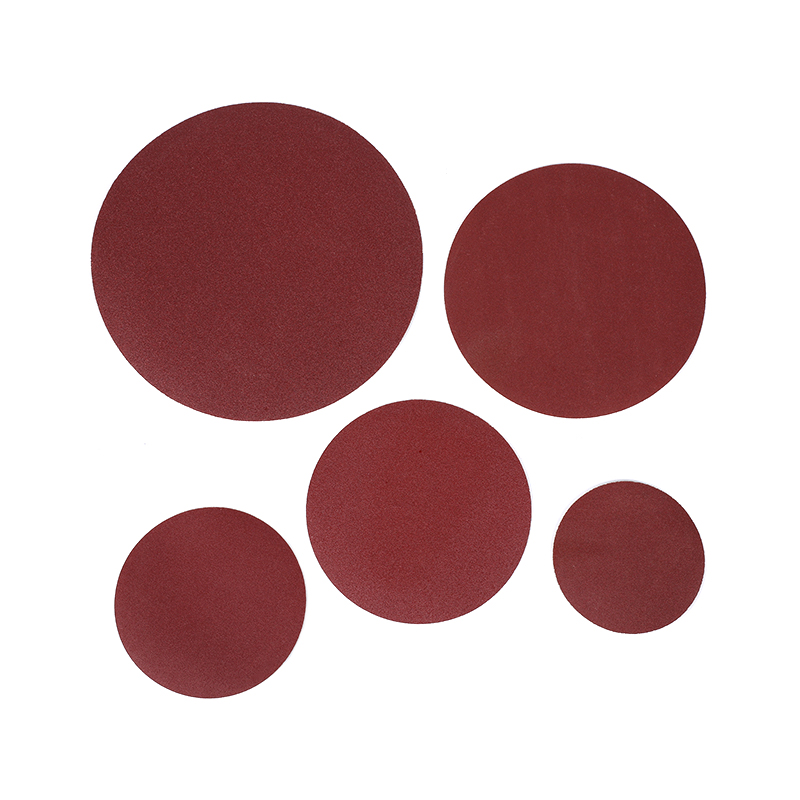
Angle Grinder Projects Are Moving Beyond Heavy Grinding
The role of angle grinders has expanded significantly in workshops, repair facilities, and fabrication environments. Many users now use these tools for tasks that require a combination of material removal and surface improvement.
- Metal surface preparation: Sanding discs help remove oxidation, paint residue, and minor surface imperfections before coating or welding.
- Wood shaping projects: Coarse sanding discs can assist with rough shaping, edge smoothing, and restoration work on wooden surfaces.
- Automotive repair: Body panels and metal parts often require gradual surface refinement before painting.
- DIY fabrication: Hobby users prefer abrasive discs because one angle grinder can handle multiple finishing operations.
This broader application range is encouraging manufacturers to develop sanding solutions that balance cutting ability, flexibility, and surface protection.
Why Sanding Discs Offer More Control During Finishing
A major difference between conventional grinding wheels and sanding discs is the way they interact with the workpiece. Hard grinding wheels are designed for aggressive stock removal, while sanding products focus more on surface refinement and controlled abrasion. Flap-style abrasive products and coated sanding discs are commonly used because their flexible structure helps create smoother finishes with reduced surface damage.
Several design elements influence sanding performance:
- Abrasive grain type: Aluminum oxide is commonly used for general-purpose sanding, while zirconia and ceramic grains are often applied for demanding metal applications.
- Backing material: Fiber backing provides stability during heavy sanding, while flexible backing options improve contact on curved surfaces.
- Grit selection: Coarse grits such as 40 or 60 support material removal, while finer grits such as 120, 180, or 240 are suitable for surface smoothing.
- Disc diameter: Common sizes include 4 inch, 4.5 inch, 5 inch, and 7 inch models depending on grinder specifications.
Matching these features with the project requirements helps users achieve more predictable finishing results.
New Applications Driving Sandpaper Disc Development
Abrasive disc technology is evolving as industries demand better results on complex shapes and sensitive materials. Modern projects often involve mixed materials, decorative surfaces, and components with strict appearance requirements.
- Stainless steel finishing: Sanding discs help create consistent surface textures on equipment, furniture, and architectural parts.
- Aluminum component processing: Flexible abrasive surfaces help reduce visible marks during finishing.
- Wood restoration: Angle grinder sanding accessories provide additional power for removing old coatings and smoothing uneven areas.
- Composite material preparation: Controlled abrasion supports surface adjustment before bonding or painting.
These applications show that sanding discs are no longer limited to simple workshop repairs. They are becoming part of professional finishing processes where appearance and surface consistency matter.
Technical Features That Affect Sanding Performance
The construction of an abrasive disc directly influences its working characteristics. Professional users usually consider several technical factors before applying a disc to a specific material.
- Operating speed: Many angle grinder sanding discs are designed to work within approximately 8,000–13,000 RPM depending on size and structure.
- Abrasive coating: Even grain distribution improves contact consistency and helps maintain stable sanding performance.
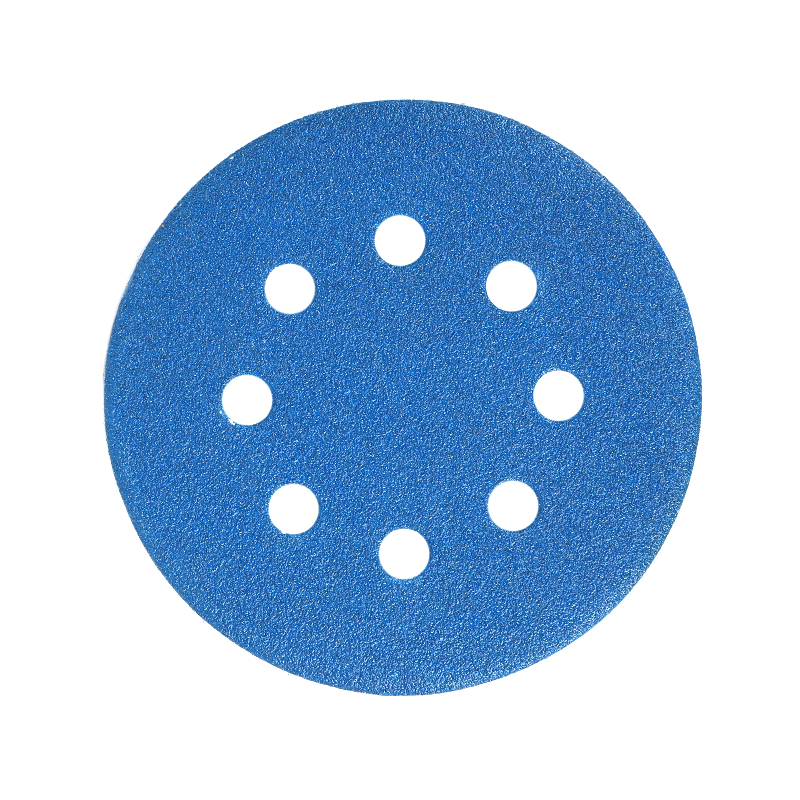
- Attachment method: Hook-and-loop, adhesive, or backing pad systems allow different levels of convenience and flexibility.
- Heat management: Open abrasive structures can help reduce heat accumulation during longer sanding operations.
Correct operation is also important. Excessive pressure can shorten abrasive life and create unnecessary heat on the workpiece. Maintaining a suitable angle and allowing the abrasive surface to perform the cutting action generally produces better results.
Will Sandpaper Discs Continue Growing in Industrial Use?
The future of angle grinder accessories is moving toward multifunctional solutions that can handle more stages of production with fewer tool changes. Sanding discs fit this trend because they allow users to combine the strength of power tools with the precision of abrasive finishing.
Manufacturers are continuing to improve abrasive grain technology, backing materials, and disc structures to support applications ranging from metal fabrication to customized woodworking. The focus is shifting from simple grinding speed toward better surface control, longer working stability, and wider material compatibility.
As project requirements become more detailed, Sandpaper Disc For Angle Grinder products are expected to remain an important option for users who need efficient sanding combined with flexible application possibilities. Their ability to support both professional and creative projects makes them a valuable addition to modern abrasive tool systems.

Quick Links
 Home
Home
About us
 +86-13967457388/ +86-0579-87320615
 No. 49, Weitai Road, Phase II, Zhiying, Yongkang, Jinhua City, Zhejiang, China
Copyright © 2024. YONGKANG ZHENGBO ABRASIVES CO., LTD. All rights reserved.
Aluminum Grinder Blade Factory
