


 Eng

 عربى

 Home / News / Industry News / Inside a Grinding Wheel Factory: What Should Buyers Check Before Placing Orders
Inside a Grinding Wheel Factory: What Should Buyers Check Before Placing Orders
 2026.11.13
 Industry News
A competitive quotation does not necessarily indicate that a supplier can maintain consistent product quality throughout repeated orders. For industrial distributors, importers, and abrasive product wholesalers, understanding how grinding wheels are manufactured is an important part of supplier evaluation. Production facilities, raw material management, inspection procedures, and order coordination all deserve attention before a purchasing agreement is finalized.
At Zhengbo, we believe that transparent manufacturing communication helps buyers understand the production capabilities behind the products they purchase. Evaluating a grinding wheel factory should therefore involve more than reviewing product photographs or comparing prices. Buyers need to understand the manufacturing process and identify the evidence that supports a supplier's claims.

1. Verify the Factory's Actual Manufacturing Capabilities
A supplier's production capabilities should match the product range and purchasing requirements of the buyer. A company offering several abrasive products may operate its own production lines, cooperate with external manufacturers, or combine both arrangements.
Buyers should clarify the following points:
- Manufacturing ownership: Confirm which production processes are completed within the supplier's own facility.
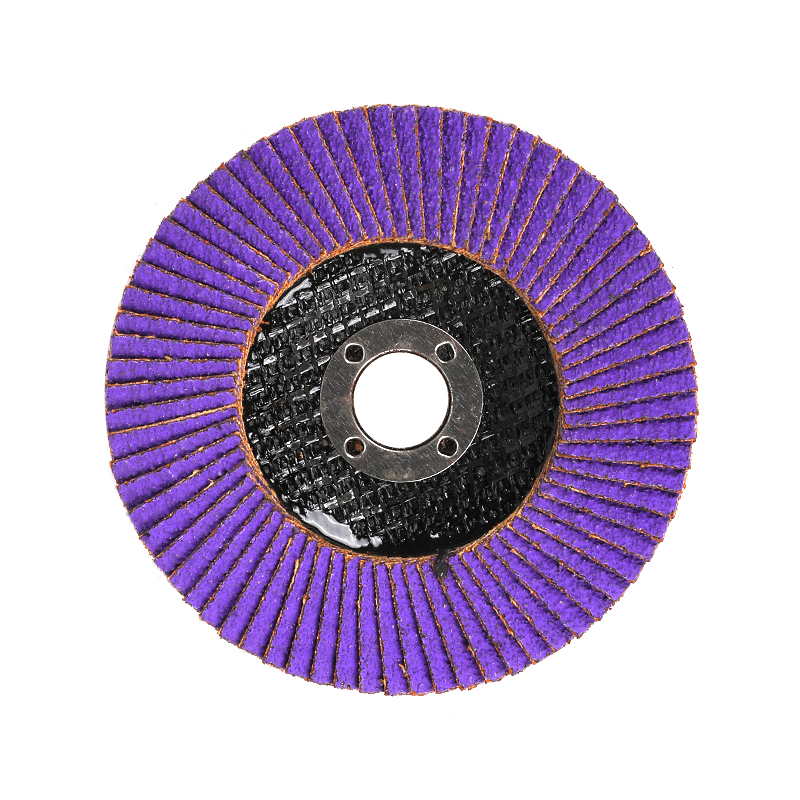
- Product categories: Check whether the factory manufactures cutting discs, grinding wheels, flap discs, or other abrasive products.
- Production equipment: Ask about mixing, forming, pressing, curing, and inspection equipment relevant to the ordered product.
- Production capacity: Request information about actual output and available production resources for the required specifications.
Production capacity should be evaluated against the complete manufacturing process rather than a single machine's theoretical output. Inspection, packaging, and existing production commitments also influence the number of finished products available for shipment.
2. Examine Raw Material Purchasing and Storage
Raw materials have a direct influence on grinding wheel construction and performance. Abrasive grains, bonding agents, and reinforcement materials must correspond with the approved product formulation.
During supplier discussions, Zhengbo recommends checking these material management details:
- Abrasive grains: Confirm the specified material, such as aluminum oxide, silicon carbide, or zirconia alumina.
- Bonding materials: Discuss the resin system and relevant formulation requirements for the intended grinding application.
- Fiberglass reinforcement: Check the reinforcement specifications for applicable reinforced abrasive wheels.
- Storage conditions: Review how materials are identified, separated, and protected from moisture or contamination.
Buyers can also request incoming material inspection records or batch identification information. These documents help establish whether the factory maintains a consistent approach to material acceptance.
3. Understand the Manufacturing and Inspection Workflow
Grinding wheel production involves several connected stages. The exact process depends on the product construction, abrasive formulation, and manufacturing method.
A typical resin-bonded grinding wheel production workflow may include:
- Material preparation: Abrasive grains and bonding materials are prepared according to the approved formulation.
- Mixing: Materials are combined under controlled process conditions to achieve the specified composition.
- Forming and pressing: The mixture is shaped according to the required wheel dimensions and construction.
- Curing: Resin-bonded products undergo a controlled curing process to develop their intended structural characteristics.
- Finishing and inspection: Finished wheels undergo relevant dimensional, appearance, and product-specific checks.
- Packaging: Approved products are identified, labeled, and prepared for storage or shipment.
Buyers should ask how production parameters are recorded and how changes to approved formulations are controlled. Understanding these procedures provides useful insight into manufacturing consistency across different batches.
4. Review Quality Inspection and Testing Procedures
Quality control should cover both manufacturing stages and finished products. General statements such as strict quality management are insufficient without supporting inspection information.
Depending on the grinding wheel type, buyers can discuss the following inspection points:
- Dimensional inspection: Verify outer diameter, thickness, bore diameter, and relevant dimensional tolerances.
- Appearance inspection: Check for visible cracks, surface defects, reinforcement irregularities, and other abnormalities.
- Balance inspection: Review applicable balancing requirements for the specific wheel design.
- Safety testing: Confirm the relevant strength and operating-speed testing procedures for the product category.
- Batch records: Request inspection reports and identification information that connect finished products with their production batches.
Relevant standards should also be considered. EN 12413 covers safety requirements for bonded abrasive products, while ISO 525 addresses the classification and designation of bonded abrasive products. Buyers should verify that the documentation applies to the actual product being purchased.
5. Request Samples Before Confirming Bulk Orders
Sample evaluation gives buyers an opportunity to assess product suitability under actual working conditions. A grinding wheel that meets dimensional requirements may still perform differently depending on the workpiece material, grinder, and operating method.
We recommend evaluating samples through several practical checks:
- Confirm that the product dimensions match the approved specification.
- Check the maximum operating speed against the intended grinder's rated speed.
- Evaluate grinding behavior on the specified workpiece material.
- Record material removal, wheel wear, and surface condition during testing.
- Compare results against the purchasing team's agreed acceptance criteria.
Sample testing should follow the manufacturer's instructions and applicable safety procedures. The approved sample specification can then serve as a reference for subsequent production orders.
6. Check Packaging, Documentation, and Order Coordination
Manufacturing capability is only part of supplier evaluation. Finished products also need suitable packaging, accurate identification, and clear shipment documentation.
Before confirming an order, purchasing teams should clarify:
- Packaging configuration: Individual boxes, inner cartons, master cartons, or customized packaging.
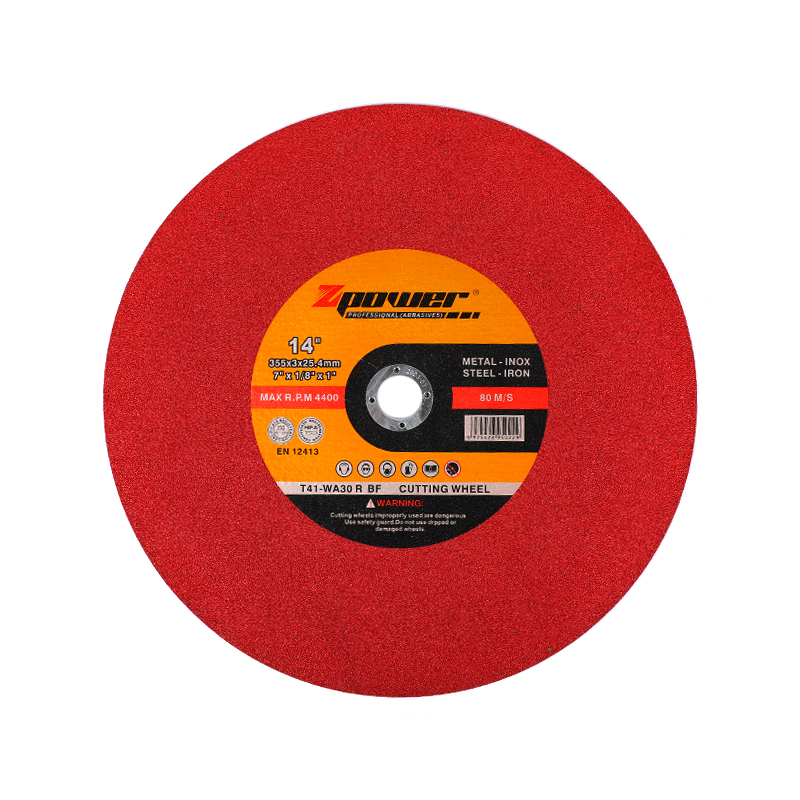
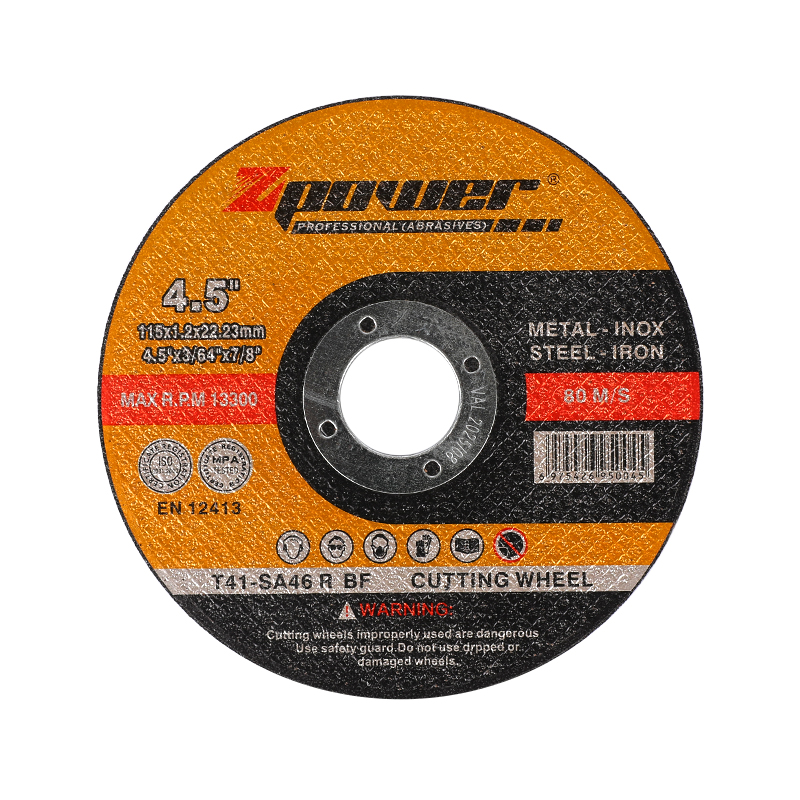
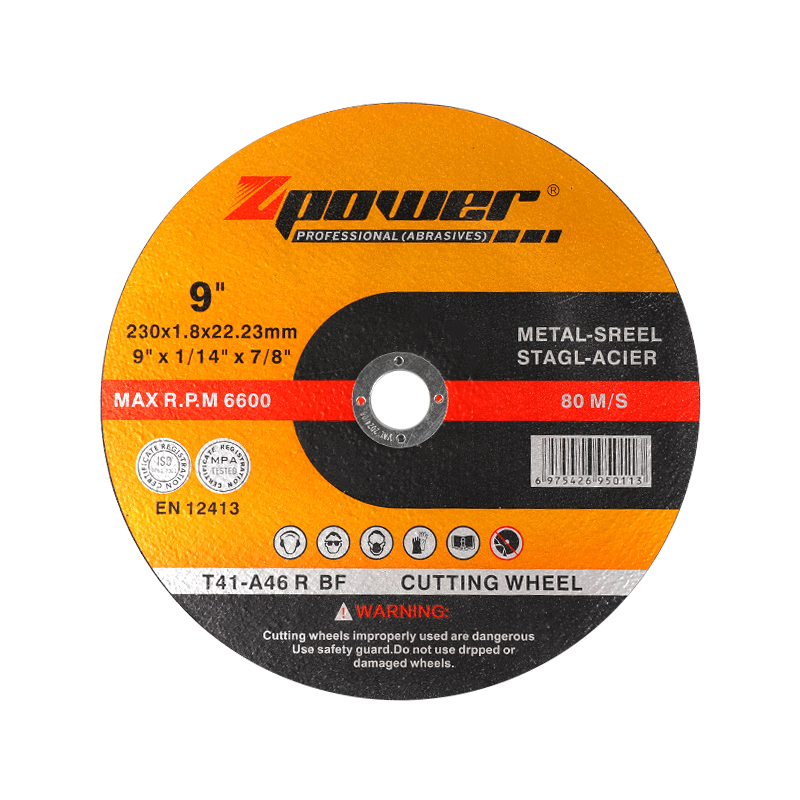
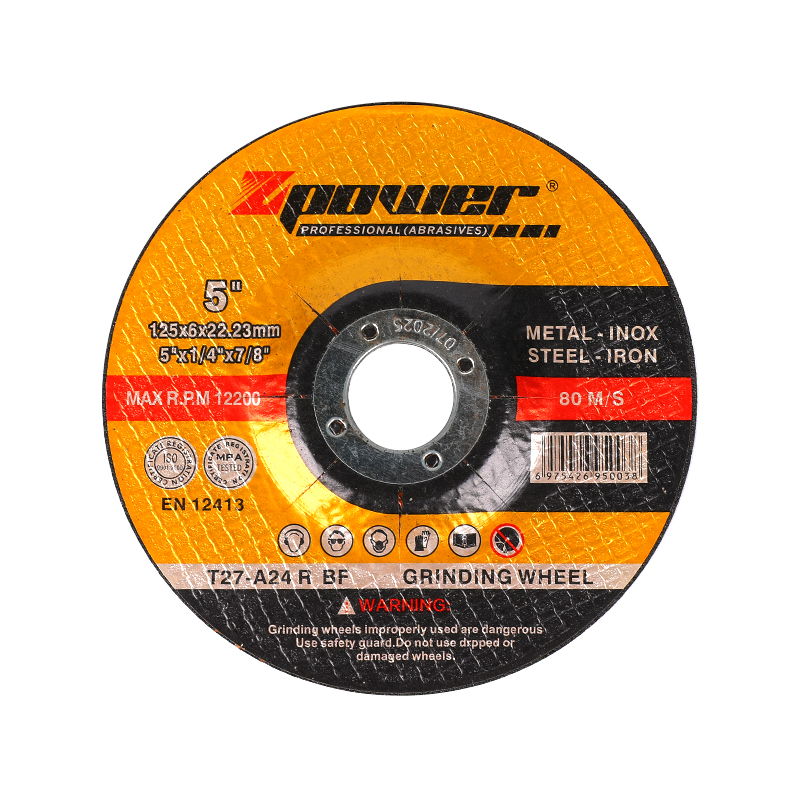
- Product identification: Dimensions, specifications, maximum RPM, brand information, and safety markings.
- Order consistency: Procedures for maintaining approved specifications across repeat purchases.
- Delivery arrangements: Production scheduling, shipment coordination, and packaging completion dates.
- After-sales communication: Procedures for reporting product discrepancies and reviewing quality complaints.
Private-label buyers should also approve artwork, product labels, and carton markings before production begins. Written confirmation helps reduce communication errors during order processing.
Evaluate the Manufacturing Process Before Making a Commitment
Choosing a grinding wheel supplier requires a practical understanding of factory operations, material management, production control, and product inspection. A supplier's ability to provide verifiable manufacturing information is an important consideration for businesses planning long-term purchasing cooperation.
At Zhengbo, we encourage buyers to communicate their product specifications, target applications, quality expectations, and packaging requirements before placing orders. Clear technical discussions help both parties establish consistent purchasing standards and coordinate production more effectively.
Are you planning to expand your abrasive product range or establish a new manufacturing partnership? Contact Zhengbo through cuttingdiscfactory.com to discuss grinding wheel specifications, product requirements, and potential OEM cooperation.

Quick Links
 Home
About us
 +86-13967457388/ +86-0579-87320615

 No. 49, Weitai Road, Phase II, Zhiying, Yongkang, Jinhua City, Zhejiang, China

Copyright © 2024. YONGKANG ZHENGBO ABRASIVES CO., LTD. All rights reserved.
Aluminum Grinder Blade Factory
