


 Eng
Eng 
 عربى
عربى
 Home / News / Industry News / How Alumina Grinding Wheel Custom Wholesale Is Shaping Industrial Supply Chains
 How Alumina Grinding Wheel Custom Wholesale Is Shaping Industrial Supply Chains
 2026.05.15
 Industry News
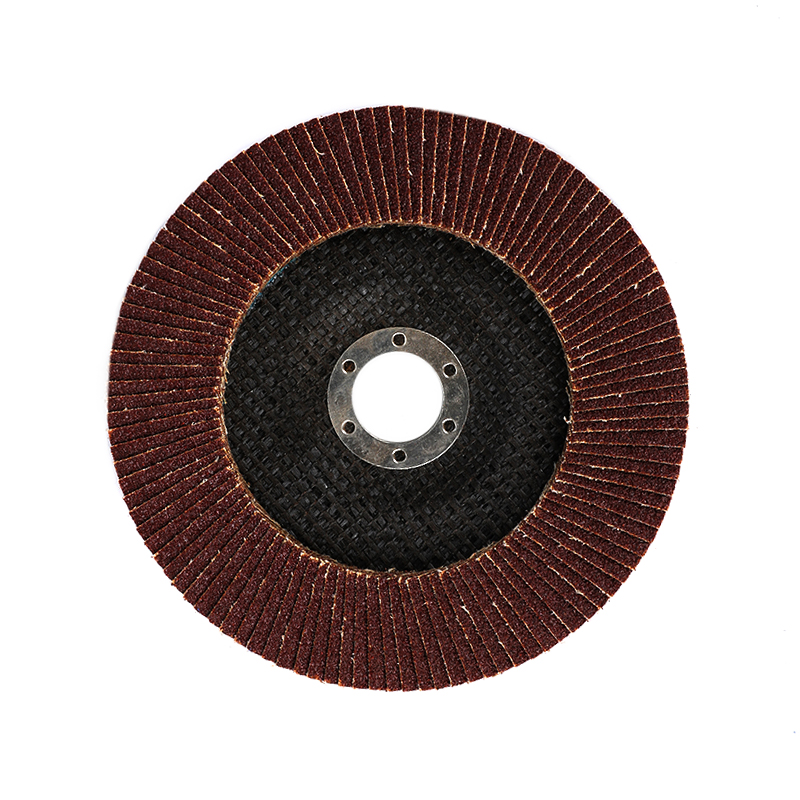
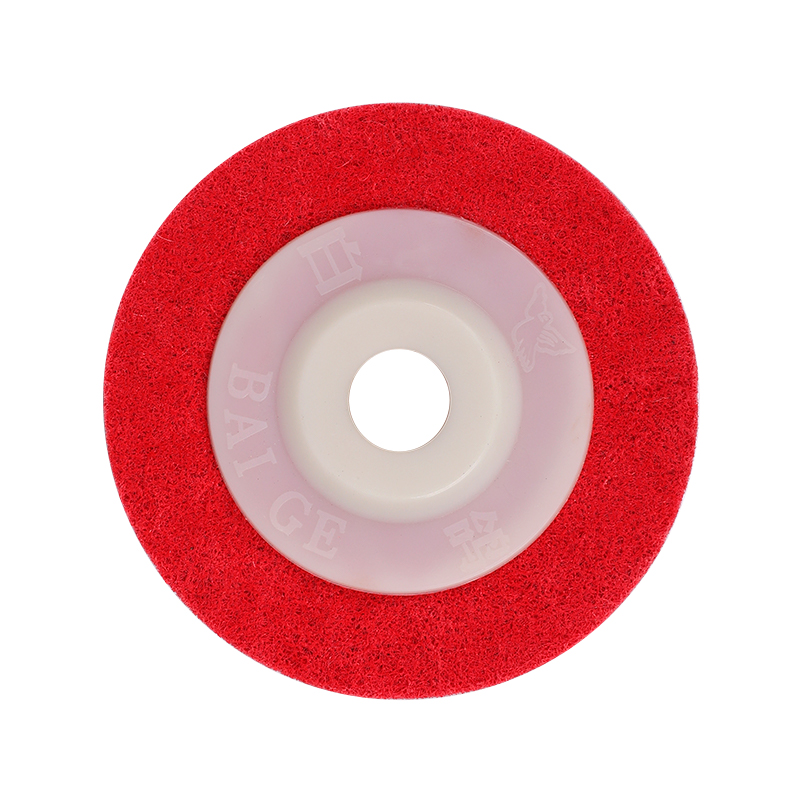
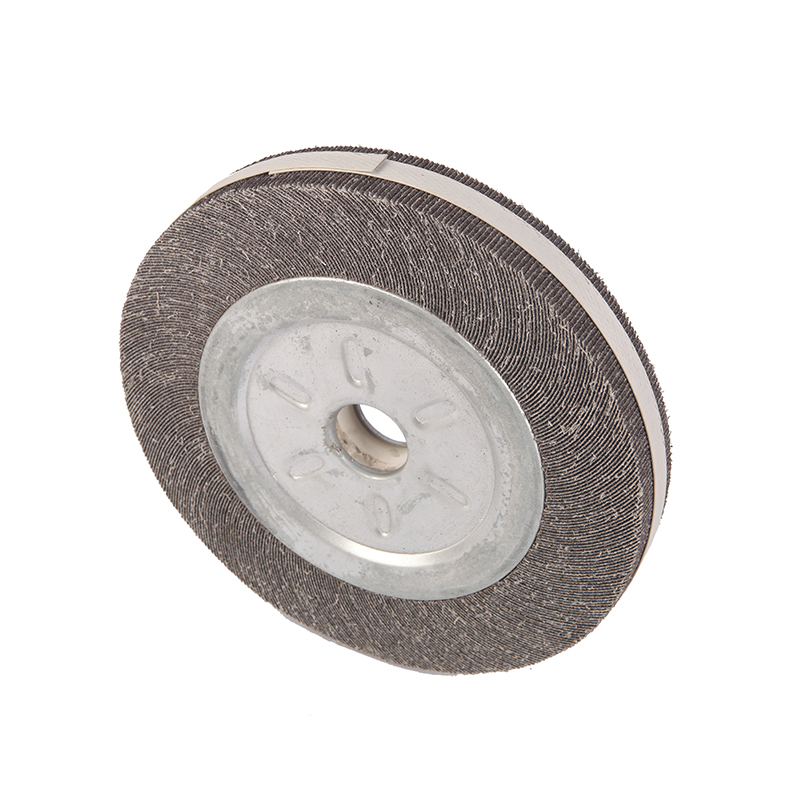
Industrial abrasive products are no longer sold only as standard catalog items. Many distributors, hardware brands, and online sellers now expect suppliers to provide customized specifications that match different market needs. In this shift, the Alumina Grinding Wheel category has become a strong example of how manufacturing is adapting to wholesale customization.
Instead of fixed sizes and packaging, buyers now request private labeling, performance variations, and export-ready packaging as part of standard orders.
Custom Specifications Are Becoming Normal in Wholesale Orders
Manufacturers are receiving more detailed technical requests than before. Buyers are not only asking for diameter or grit size but also for bonding types, hardness levels, and application-specific performance.
A customized Alumina Grinding Wheel order may include:
- OEM logo printing on labels
- Color-coded grit identification
- Resin or vitrified bond adjustments
- Custom packaging cartons
- Market-specific safety labeling
For factories, this means production lines must stay flexible enough to handle mixed specifications within the same shipment batch.
Small Batch OEM Orders Are Increasing
Traditional bulk purchasing still exists, but many buyers now test markets with smaller initial orders. This allows them to evaluate product response before scaling up.
A Alumina Grinding Wheel supplier that supports lower MOQ production can attract:
- Regional hardware distributors
- Online industrial tool sellers
- Startup abrasive brands
- Maintenance service companies
- Cross-border e-commerce stores
These customers often begin with trial orders and expand gradually based on sales performance and feedback.
Packaging and Branding Play a Bigger Role
Packaging is no longer just for protection during transport. It has become part of retail presentation and brand identity. Many buyers now request packaging that can be placed directly on store shelves or used in online product photography.
Wholesale Alumina Grinding Wheel packaging requests often include:
- Printed retail boxes with brand identity
- Hanging card packaging for hardware stores
- Bulk export cartons with barcode labels
- Multilingual instruction sheets
- Anti-moisture packaging for long-distance shipping
Factories that offer flexible packaging solutions may have more opportunities in international markets.
Technical Consistency Matters for Repeat Orders
Even with customization, buyers still expect stable product performance across batches. Consistency in abrasive grain distribution and bonding strength is often reviewed during supplier evaluation.
Manufacturers of Alumina Grinding Wheel products usually perform quality checks on:
- Rotational balance
- Grit uniformity
- Bond hardness consistency
- Crack resistance during use
- Wear behavior under load
These factors influence whether buyers continue long-term cooperation after initial orders.
Export Requirements Influence Production Planning
Different countries may have varying requirements for industrial abrasive products. Some require safety documentation, while others focus on labeling standards or packaging regulations.
A Alumina Grinding Wheel manufacturer working with global clients often prepares:
- Export compliance documents
- Safety data sheets
- Batch traceability records
- Custom clearance labeling
- Shipment protection packaging
These steps help reduce delays during customs inspection and improve supply chain efficiency.
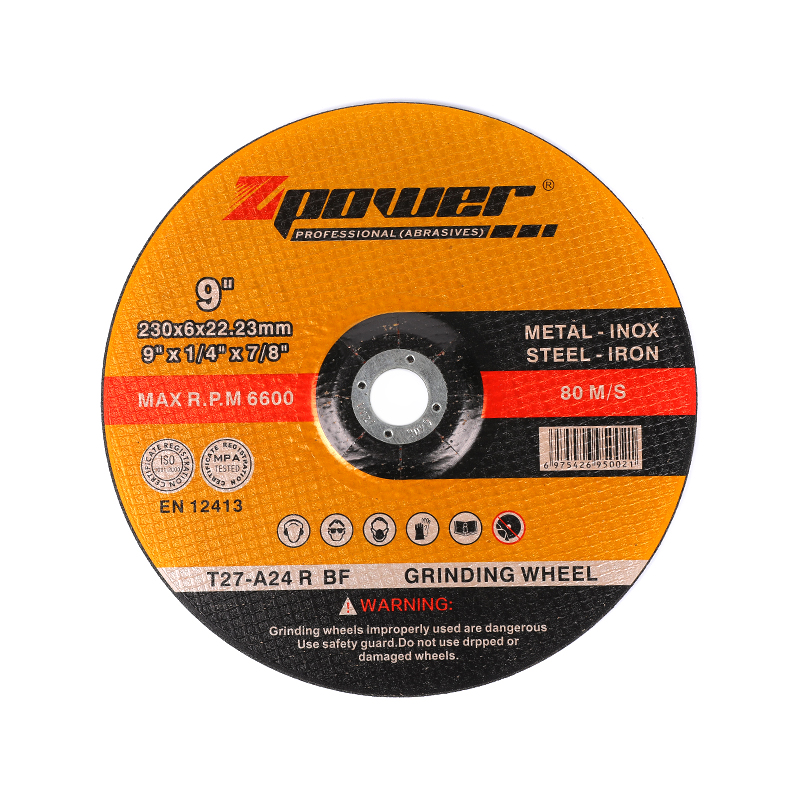
The abrasive tool market is gradually shifting toward more flexible manufacturing models. Buyers are no longer satisfied with only standard products; they expect suppliers to adapt to branding, packaging, and technical variations.
For manufacturers, the Alumina Grinding Wheel category shows how customization and wholesale production can work together in modern industrial supply chains. Factories that support OEM requests and flexible order structures are better positioned to work with diverse distributor networks across different regions. Many manufacturers also invest in upgraded testing equipment to support customized production requirements. This helps ensure each batch of Alumina Grinding Wheel meets agreed specifications before shipment, reducing disputes and supporting stable cooperation with long-term wholesale partners in different markets.

Quick Links
 Home
Home
About us
 +86-13967457388/ +86-0579-87320615
 No. 49, Weitai Road, Phase II, Zhiying, Yongkang, Jinhua City, Zhejiang, China
Copyright © 2024. YONGKANG ZHENGBO ABRASIVES CO., LTD. All rights reserved.
Aluminum Grinder Blade Factory
