


 Eng
Eng 
 عربى
عربى

Why Stainless Steel Grinding Discs Improve Smooth Surfaces
 2026.05.08
 Industry News
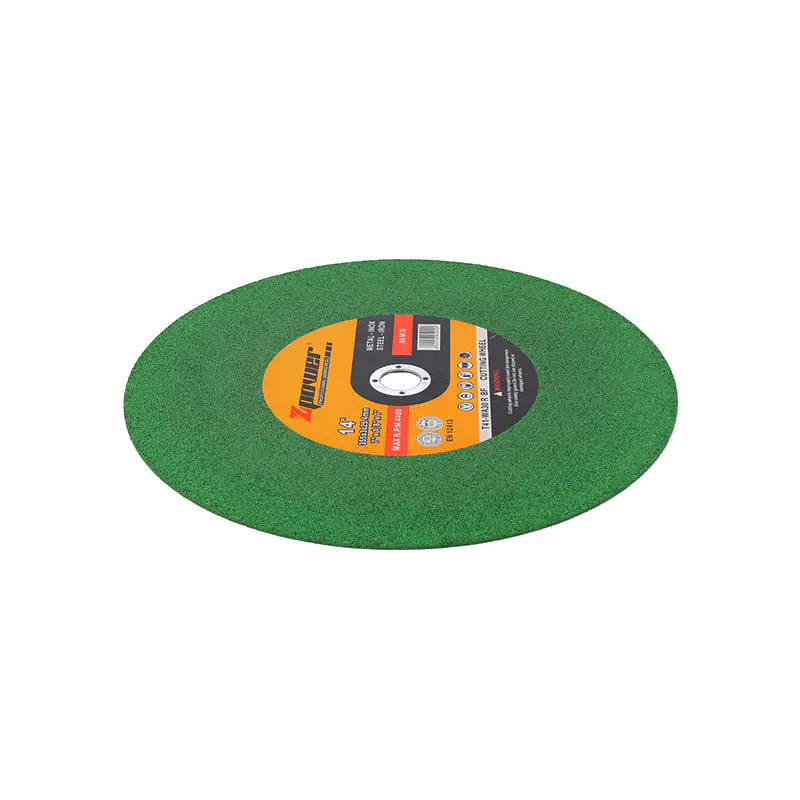
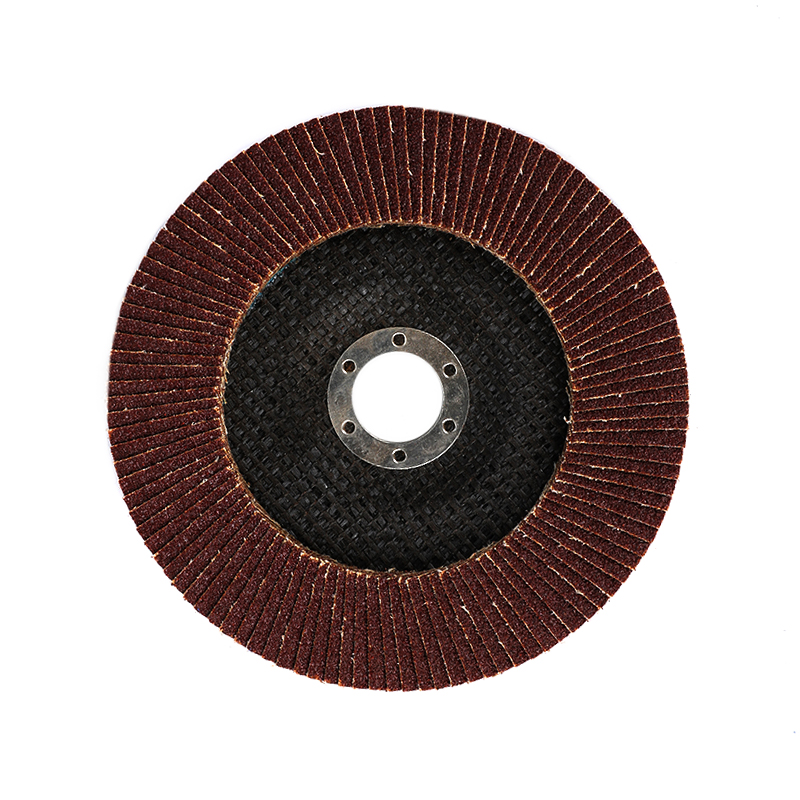
Grinding marks that remain visible after finishing. Heat discoloration along weld seams. Surface roughness that varies from one pass to the next, making consistent output difficult to achieve. These are the signs that the grinding process is not delivering what the application requires — and in stainless steel fabrication, they carry additional consequences. Stainless steel is sensitive to heat and contamination in ways that mild steel is not, which means that the choice of abrasive tool is not just about removal rate. Using the right Stainless Steel Grinding Discs directly affects whether the surface achieves the finish quality the application demands, and whether the material's corrosion resistance remains intact after grinding.
What Makes Stainless Steel Grinding Different from Other Metals
The Heat Sensitivity Problem
Stainless steel conducts heat less efficiently than mild steel or aluminum. During grinding, heat generated at the contact point accumulates in the workpiece rather than dissipating quickly. If grinding disc selection or technique allows excessive heat to develop, the surface temperature rises enough to cause discoloration — the bluing or rainbow-toned oxidation visible on poorly ground stainless steel welds.
This thermal damage is more than cosmetic. Elevated temperature at the surface affects the chromium oxide layer that gives stainless steel its corrosion resistance. Where that layer is disrupted, the material's protection against rust and environmental attack is compromised.
Contamination from Non-Dedicated Abrasives
Using a grinding disc that has previously been used on mild steel — or one that contains iron, sulfur, or chlorine in its abrasive composition — introduces contamination to the stainless steel surface. Iron particles embedded in the surface from a contaminated disc create corrosion initiation points that are not always visible immediately but become apparent over time.
For applications where hygiene, corrosion resistance, or surface certification are required — food processing equipment, pharmaceutical fabrication, marine components — contamination from grinding is not acceptable. Dedicated abrasives are not optional in these contexts.
How Do Grinding Discs Actually Improve Surface Smoothness?
The Mechanism of Abrasive Material Removal
Each abrasive grain on a grinding disc acts as a small cutting edge. As the disc contacts the workpiece surface, these grains cut into the material, removing small chips and leaving a machined surface behind. The size and geometry of the abrasive grains determine how aggressively they cut and how fine the resulting surface texture is.
Coarser abrasive grains remove material quickly but leave deeper scratch marks in the surface. Finer grains remove material more slowly but leave a smoother surface with less pronounced texture. Moving through progressively finer grits in a grinding and finishing sequence brings the surface smoothness down in stages, with each stage removing the scratch marks left by the previous one.
Grit Size and Its Effect on Surface Roughness
Surface roughness is measured by the depth and regularity of the texture left by the abrasive. Coarse grit discs produce a higher surface roughness value — the scratch marks are deeper and further apart. Fine grit discs produce a lower roughness value — the marks are shallower and more closely spaced, approaching the appearance and feel of a polished surface.
For applications requiring a specific surface finish:
- Weld removal and heavy stock removal — coarser grits work through material quickly without needing a smooth result at this stage
- Blending and intermediate finishing — medium grits refine the surface after heavy work and prepare it for final finishing
- Final surface preparation or pre-polish grinding — finer grits bring the surface to a condition ready for polishing or to an acceptable finish in its own right
The selection of grit sequence is as important as the selection of abrasive type. A fine grit disc applied to a surface with deep coarse-grit marks will wear out before it can remove those marks — the process needs to follow the correct sequence.
Abrasive Types Used in Stainless Steel Grinding Discs
Aluminum Oxide
Aluminum oxide is a widely used abrasive for general metal grinding. It is suitable for mild steel and some non-ferrous metals. For stainless steel, however, aluminum oxide discs tend to generate more heat during grinding than alternatives — the abrasive grains dull more quickly and require higher pressure to maintain cutting action, which increases heat generation at the workpiece surface.
Aluminum oxide discs are an acceptable starting point for non-critical stainless steel applications but may not deliver the surface quality or heat control required for demanding finishes.
Zirconia Alumina
Zirconia alumina is a harder, more durable abrasive that maintains its cutting edge longer than standard aluminum oxide. The self-sharpening characteristics of zirconia abrasives mean that cutting efficiency stays higher for longer, which translates to lower heat generation for the same material removal rate. On stainless steel, this produces a better surface finish with less risk of discoloration.
Zirconia discs are suited to medium-to-heavy grinding on stainless steel where removal rate and surface quality both matter.
Ceramic Abrasive
Ceramic abrasives represent a further step in cutting performance. They maintain sharpness across more cycles than zirconia and produce very consistent cutting behavior — meaning the surface finish produced remains predictable across the full disc life rather than degrading as the disc wears.
For precision surface finishing on stainless steel, ceramic abrasive discs deliver:
- Lower surface temperature during grinding
- More consistent surface roughness across the workpiece
- Extended disc life that reduces tooling cost per square meter of surface worked
- Reduced pressure required from the operator, lowering fatigue in manual applications
Iron-Free Abrasive Formulations
Regardless of abrasive type, discs used on stainless steel should be formulated without iron, sulfur, or chlorine. These elements, if present in the abrasive bond or grain, transfer to the workpiece surface during grinding and create contamination that affects corrosion resistance. Iron-free designation confirms the disc is formulated specifically for stainless steel and other sensitive materials.
Which Disc Type Fits Which Stainless Steel Application?
| Application | Grit Range | Recommended Abrasive | Key Priority |
|---|---|---|---|
| Heavy weld removal | Coarse | Zirconia or ceramic | Removal rate, low heat |
| Surface blending after welding | Medium | Zirconia or ceramic | Even finish, heat control |
| Intermediate finishing | Medium-fine | Ceramic | Consistent surface roughness |
| Pre-polish surface preparation | Fine | Ceramic or fine aluminum oxide | Surface smoothness, low scratch depth |
| Deburring and edge work | Medium | Zirconia | Controlled removal at edges |
Heat Control and Its Effect on Surface Integrity
What Happens When Grinding Temperature Rises
When grinding heat is not adequately managed, the effects on stainless steel surface quality are progressive:
- Surface discoloration appears as a yellowish tint, then turns blue as temperature increases further
- The chromium oxide passive layer is depleted in the affected zone
- Below the surface, a heat-affected zone with altered microstructure develops
- Residual stress introduced by rapid heating and cooling can lead to surface distortion in thinner material
Each of these effects represents a surface quality failure that requires additional work to address — or, in some cases, cannot be fully remedied by further grinding alone.
Disc Properties That Reduce Heat Generation
Several disc characteristics contribute to heat reduction during grinding:
- Sharp, self-renewing abrasive grains — maintain cutting efficiency without requiring increased pressure
- Open-coat construction — spacing between abrasive grains allows chips to clear from the disc surface without loading, which would otherwise cause friction heating
- Disc backing flexibility — flexible backing materials allow the disc to conform slightly to the workpiece, distributing contact area and reducing localized heat concentration
- Proper disc speed — operating the disc within its rated speed range ensures the abrasive cuts rather than rubs
Grinding Technique and Its Contribution to Surface Quality
Disc selection determines the ceiling for surface quality achievable, but grinding technique determines whether that ceiling is reached:
- Use light, consistent pressure — heavy pressure loads the disc and generates heat rather than cutting efficiently
- Keep the disc moving — dwelling in one area concentrates heat; a steady traversing motion distributes it
- Maintain correct disc angle — the recommended angle for angle grinder use keeps the abrasive in efficient contact without edge loading
- Allow disc cooling between passes where heat buildup is visible
How Does Surface Finish Affect Downstream Processing?
Welding and Joining Preparation
Before welding, surface preparation determines how cleanly the weld joint forms and how much post-weld grinding will be required. A consistently smooth, contamination-free surface at the joint area reduces porosity risk and produces a weld that requires less remedial grinding to bring to a finished condition.
Coating and Passivation
Where stainless steel surfaces will receive a coating, electropolish treatment, or passivation, the surface roughness before treatment affects the outcome. A smoother ground surface produces a more uniform coating thickness and a more complete passivation result. High surface roughness creates peaks and valleys that the treatment reaches inconsistently.
Assembly and Sealing Applications
For components that will form sealing interfaces or close-tolerance assemblies, surface roughness affects sealing performance and dimensional accuracy. Grinding to a consistent finish using the appropriate grit sequence ensures the surface meets the functional requirements before the component moves to assembly.
Specification Factors for Sourcing Stainless Steel Grinding Discs
For procurement teams and fabrication managers building a grinding disc specification, the key evaluation criteria are:
- Abrasive type — confirm the disc is rated for stainless steel, with iron-free formulation confirmed in the product specification
- Grit range coverage — confirm the supplier can provide the full grit sequence required for the process, from heavy removal through to finishing
- Disc life and consistency — evaluate how consistently the disc performs across its service life, not just initial performance
- Heat generation in use — request test data or sample discs for evaluation against the actual application material and thickness
- Dimensional and speed rating — confirm the disc dimensions and rated speed are compatible with the angle grinders or fixed grinding equipment in use
- Batch consistency — for volume procurement, confirm that abrasive specification is maintained between production batches
Why Does Abrasive Source Matter for Surface Quality Outcomes?
The surface quality achievable on stainless steel is determined as much by abrasive selection as by operator skill or equipment. A disc that generates excess heat, loads quickly, or carries contaminating elements will produce a compromised surface regardless of technique. For fabricators and procurement teams where surface finish consistency is a production requirement, the abrasive specification deserves the same attention as any other process parameter.
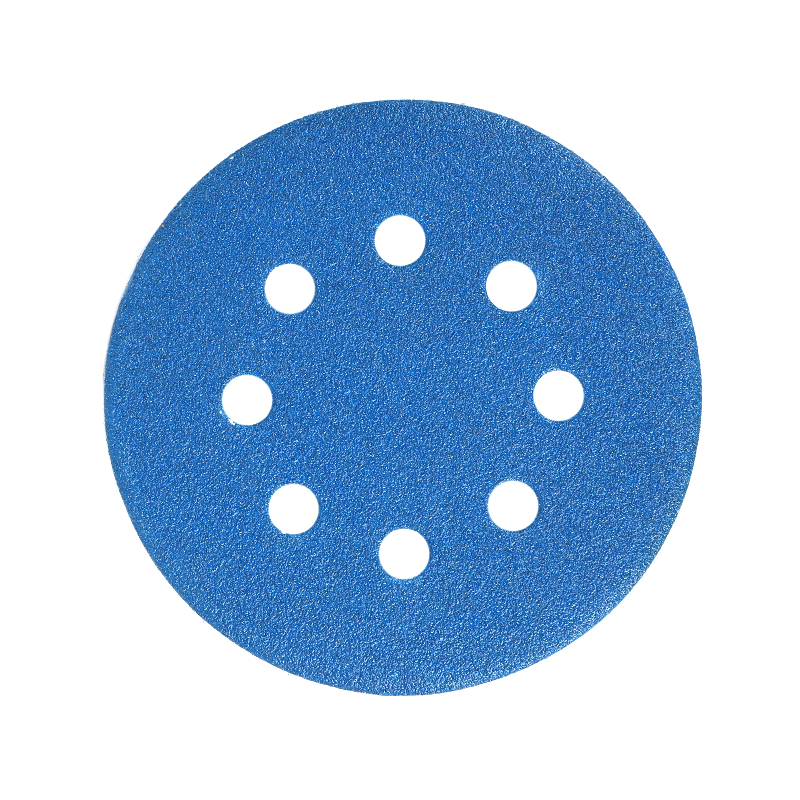
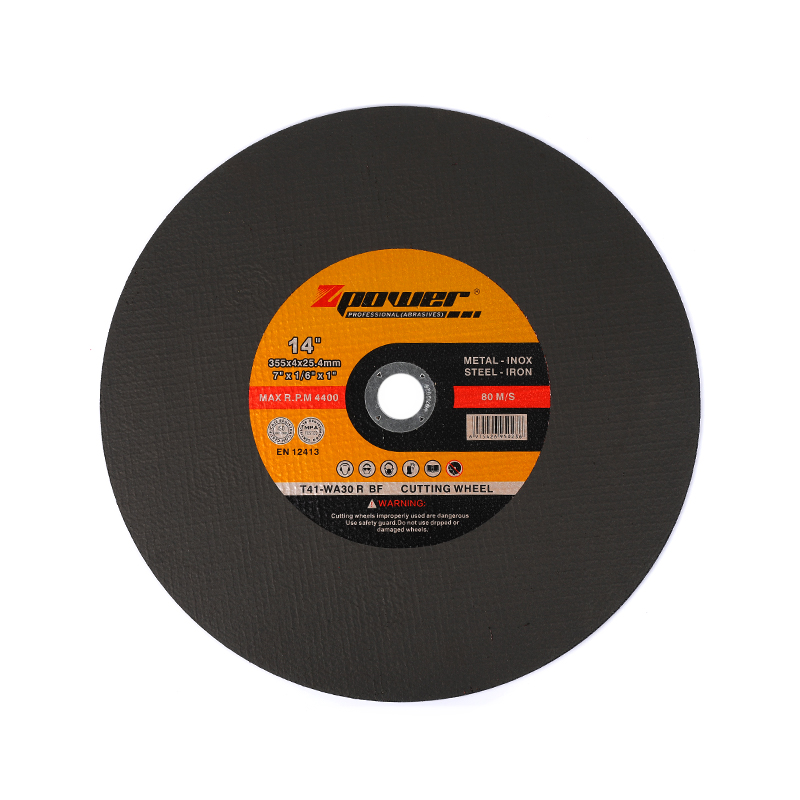
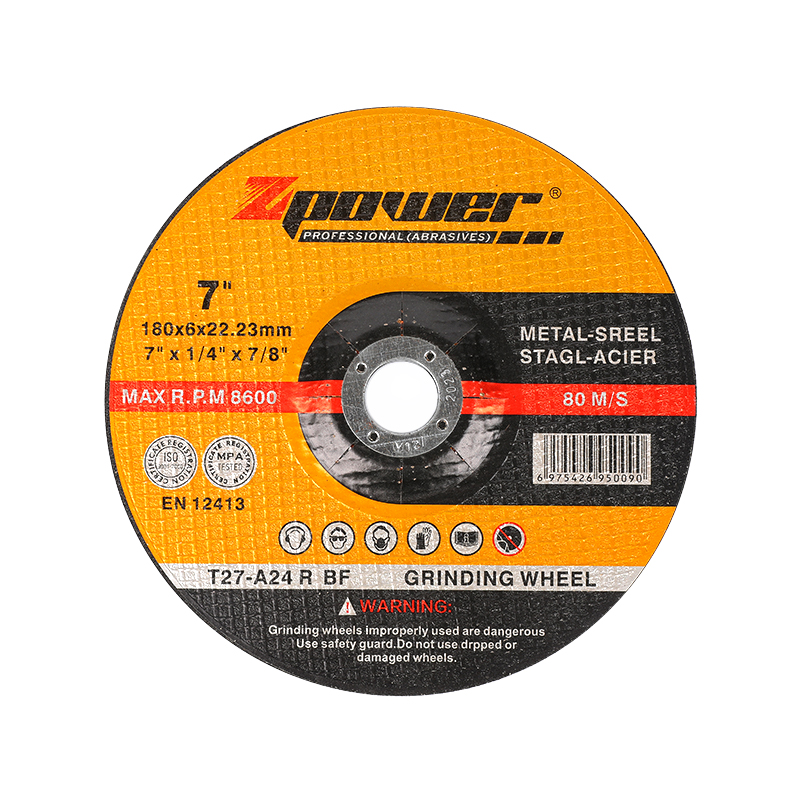
A manufacturer with dedicated stainless steel abrasive formulations, iron-free certification, and a full grit range available from a single source simplifies both procurement and process control. YONGKANG ZHENGBO ABRASIVES CO., LTD. manufactures grinding and cutting abrasive products including Stainless Steel Grinding Discs across abrasive types, grit grades, and disc formats for industrial and fabrication applications — with product formulations confirmed iron-free and suitable for certified stainless steel work — and works with metalworking operations, fabrication shops, and industrial procurement teams to match abrasive specifications to process requirements, including OEM and private label programs for distributors.

Quick Links
 Home
Home
About us
 +86-13967457388/ +86-0579-87320615
 No. 49, Weitai Road, Phase II, Zhiying, Yongkang, Jinhua City, Zhejiang, China
Copyright © 2024. YONGKANG ZHENGBO ABRASIVES CO., LTD. All rights reserved.
Aluminum Grinder Blade Factory
