


 Eng
Eng 
 عربى
عربى

Steel Cutting Discs: Which Specifications Should Buyers Confirm
 2026.10.09
 Industry News
Approving an abrasive sample is an important step in industrial purchasing, but a satisfactory test result does not automatically guarantee the same performance across a full production order. Differences in raw materials, abrasive grain distribution, resin bonding, curing conditions, and dimensional control can affect the consistency of finished products. At Zhengbo, we encourage buyers to evaluate samples through measurable application tests and connect those results with clear production specifications before confirming a bulk order.
A sample should serve as a technical reference rather than simply a demonstration of product appearance. Our approach focuses on identifying the properties that matter to the customer's application, defining acceptable results, and establishing inspection points that can be applied to subsequent production batches.
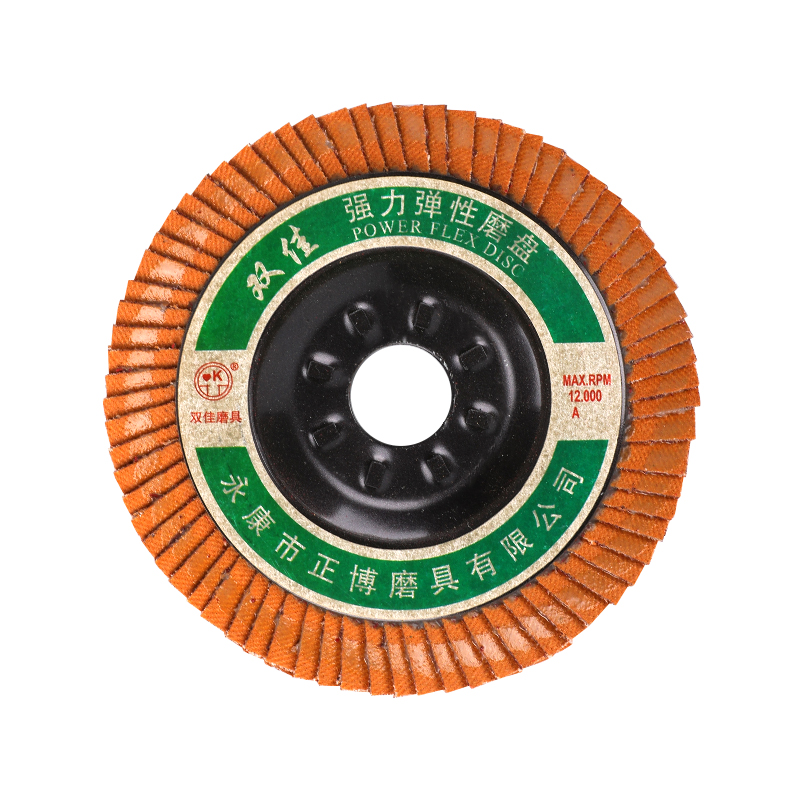
1. Establish a Clear Baseline Before Sample Approval
A sample test becomes useful only when the buyer and supplier agree on what the product needs to achieve. A disc that performs adequately on one metal surface may behave differently on another material or under different operating conditions.
Before evaluating a resin grinding wheel, we recommend recording the following details:
- Workpiece material, such as carbon steel, stainless steel, or another specified substrate.
- Required operation, including cutting, surface grinding, weld removal, or edge preparation.
- Wheel dimensions, including outside diameter, thickness, and bore size.
- Abrasive grain type, grit designation, bond grade, and wheel construction.
- Machine type, spindle speed, mounting arrangement, and applicable operating limits.
- Expected surface condition, material removal target, and acceptable wear behavior.
These details allow us to prepare samples against a defined application instead of relying on a general description such as heavy-duty grinding or industrial use. They also help prevent disputes caused by comparing products that have different specifications or intended purposes.
2. Check Dimensions and Construction Before Performance Trials
Physical inspection provides an initial indication of whether a sample matches the agreed specification. Dimensional differences can affect machine compatibility, contact conditions, and the repeatability of test results. Appearance alone, however, cannot establish the internal strength or grinding behavior of a bonded abrasive product.
Important inspection points
- Outside diameter and thickness: Measure the dimensions using suitable calibrated instruments and compare the readings with the approved drawing or specification sheet.
- Bore diameter: Confirm compatibility with the intended spindle and mounting system. The wheel should not require force to fit the machine.
- Surface condition: Examine the wheel for visible cracks, chips, uneven edges, exposed reinforcement, or other defects relevant to its construction.
- Markings and traceability: Verify the product identification, rated operating speed, batch reference where applicable, and required safety information.
For example, a buyer evaluating a nominal 100 mm disc should verify the specified diameter, thickness, and bore rather than assuming that every product sold under the same nominal size has identical dimensions. Actual tolerances must follow the agreed product specification and applicable requirements.
At Zhengbo, we treat dimensional inspection as one part of sample qualification. A product that passes these checks still requires appropriate performance and safety verification before approval.
3. Test Grinding Performance Under Repeatable Conditions
A sample can appear satisfactory during a brief demonstration yet behave differently during extended use. To obtain meaningful results, we recommend using a controlled test procedure that reflects the customer's actual application.
The test setup should record the machine, workpiece, operating speed, applied force or feed conditions, test duration, and measurement method. Operators should follow the wheel manufacturer's instructions and all applicable safety requirements. Test speeds must remain within the rated limits of both the wheel and the machine.
Performance indicators worth recording
- Material removal: Record the mass or dimensions of the workpiece before and after a defined grinding cycle, where the application permits reliable measurement.
- Wheel wear: Measure changes in wheel diameter or profile after a specified number of cycles or a defined amount of work.
- Surface finish: Check the resulting surface visually or use an appropriate roughness instrument when the application has a measurable finish requirement.
- Operating stability: Observe unusual vibration, irregular contact, abnormal noise, or other signs that require stopping the test and investigating the cause.
- Heat behavior: Monitor workpiece temperature or visible heat-related changes where relevant, using a suitable measurement method.
We advise buyers to repeat the test using multiple samples rather than drawing a conclusion from a single disc. A repeated test can reveal whether an unexpected result comes from an isolated specimen, inconsistent test conditions, or a more persistent product characteristic.
4. Understand How Abrasive Grain and Resin Bond Affect Results
Grinding behavior depends on the interaction between abrasive grains, the bonding system, wheel structure, and the workpiece. A change in any of these factors can influence cutting action, grain retention, wear, and the surface produced.
Abrasive grain and grit size
Abrasive grain type affects how the wheel interacts with the target material, while grit size influences the balance between material removal and surface finish. A coarser abrasive may suit a task requiring substantial stock removal, whereas a finer specification may be appropriate for a more controlled finishing operation. The correct choice depends on the workpiece, machine, and required result.
Resin bond and grade
The resin bond holds abrasive grains within the wheel structure. Its characteristics influence grain retention and the way the wheel wears during operation. A bond that retains grains too strongly for a particular application may contribute to glazing, while insufficient grain retention can cause premature abrasive loss. Neither result can be evaluated accurately from appearance alone.
Manufacturing consistency
Material proportions, mixing uniformity, forming conditions, and curing control can affect the properties of resin-bonded abrasives. A sample produced under well-controlled conditions may perform satisfactorily, but buyers also need evidence that the approved specification and relevant process controls will be maintained during subsequent production.
At Zhengbo, we use the agreed technical requirements as the basis for product evaluation. Rather than promising identical results under every operating condition, we encourage customers to define the application and acceptance criteria clearly so that sample and production performance can be compared objectively.
5. Compare Multiple Samples Instead of Relying on One Result
A single sample offers limited information about product variation. Testing several specimens provides a better view of consistency, especially for buyers planning repeat purchases or distribution across different customer accounts.
Our suggested comparison process includes the following steps:
- Obtain several samples that represent the proposed specification and record their identification details.
- Measure key dimensions and inspect visible construction characteristics before testing.
- Run the samples under the same documented conditions, using equivalent workpieces and test procedures.
- Record material removal, wear, surface condition, and any relevant operating observations for each specimen.
- Compare the results against pre-agreed acceptance ranges instead of relying solely on subjective operator feedback.
For example, a procurement team might compare five samples under the same test procedure and record the material removed after a defined number of passes. The five-sample example is a suggested trial design, not a universal requirement. The appropriate sample count depends on the order, product risk, and buyer's quality plan.
Results should also be interpreted in context. A difference in material removal may reflect variations in operator pressure, workpiece hardness, machine condition, or test setup rather than a manufacturing defect. Documenting the test variables helps distinguish these possibilities.
6. Ask for Production Quality Records Before Placing a Bulk Order
Sample approval evaluates the submitted specimens. Production quality records provide additional information about whether the supplier has a repeatable method for manufacturing and inspecting the agreed product.
At Zhengbo, we recommend discussing the following documentation and controls with the supplier before confirming a production order:
- Approved specification sheet: Documents dimensions, abrasive type, grit, bond grade, construction, labeling, and other agreed requirements.
- Incoming material controls: Describes how abrasive grains, resin materials, reinforcement, and other relevant components are checked against production requirements.
- Process inspection records: Identifies relevant checks during mixing, forming, pressing, curing, and finishing, as applicable to the product.
- Finished-product inspection: Covers dimensions, appearance, construction integrity, and product-specific performance or safety checks.
- Batch identification: Connects production lots with inspection results and relevant material or process records.
- Compliance documentation: Confirms applicable safety standards, required markings, and supporting test records for the destination market and product category.
Specific records depend on the product, the applicable standard, and the agreement between buyer and supplier. Buyers should verify that the documents refer to the relevant product type and production batch rather than assuming that a general certificate proves every individual order meets the requested specification.
7. Turn the Approved Sample into a Production Reference
Sample approval should establish a reference that both parties can use throughout the purchasing relationship. Without documented acceptance criteria, the original approval may have little value during a later discussion about dimensional variation, grinding behavior, or packaging differences.
We recommend recording the approved sample identification, specification revision, test method, test results, and agreed acceptance limits. The purchasing agreement should also explain how changes to materials, formulation, dimensions, construction, or other significant product characteristics will be reviewed.
A practical approval record can include:
- Product code and specification revision.
- Sample identification and approval date.
- Test equipment, workpiece material, and operating conditions.
- Measured performance results and permitted variation.
- Required inspection documents and batch traceability details.
- The procedure for reviewing product or process changes.
Buyers can then request production samples or batch inspection evidence according to the agreed quality plan. A comparison with the approved reference helps identify differences before products enter regular distribution or manufacturing use.
8. How Zhengbo Supports More Informed Abrasive Purchasing
At Zhengbo, we recognize that industrial buyers need more than a sample that looks acceptable. They need clear product specifications, application-based evaluation, and a defined method for checking production conformity. These elements support more informed purchasing decisions and make communication between the supplier, procurement team, and end user more precise.
Our recommended approach is to confirm the application, establish measurable acceptance criteria, evaluate representative samples, and discuss the inspection records available for the intended order. Buyers should also clarify packaging, labeling, delivery arrangements, and documentation requirements before production begins.
Sample testing cannot guarantee that every future disc will perform identically, particularly when operating conditions differ or product specifications change. However, a documented qualification process gives both parties a stronger technical reference and a clearer way to assess subsequent production.
Contact Zhengbo through cuttingdiscfactory.com to discuss your abrasive disc requirements, target materials, product dimensions, and sample evaluation criteria. With these details established before purchasing, we can work toward a product specification and quality plan that better matches your production needs.

Quick Links
 Home
Home
About us
 +86-13967457388/ +86-0579-87320615
 No. 49, Weitai Road, Phase II, Zhiying, Yongkang, Jinhua City, Zhejiang, China
Copyright © 2024. YONGKANG ZHENGBO ABRASIVES CO., LTD. All rights reserved.
Aluminum Grinder Blade Factory
