


 Eng

 عربى

 Home / News / Industry News / Flap Disc Procurement: How Do Grit and Backing Materials Affect Job Requirements
Flap Disc Procurement: How Do Grit and Backing Materials Affect Job Requirements
 2026.11.20
 Industry News
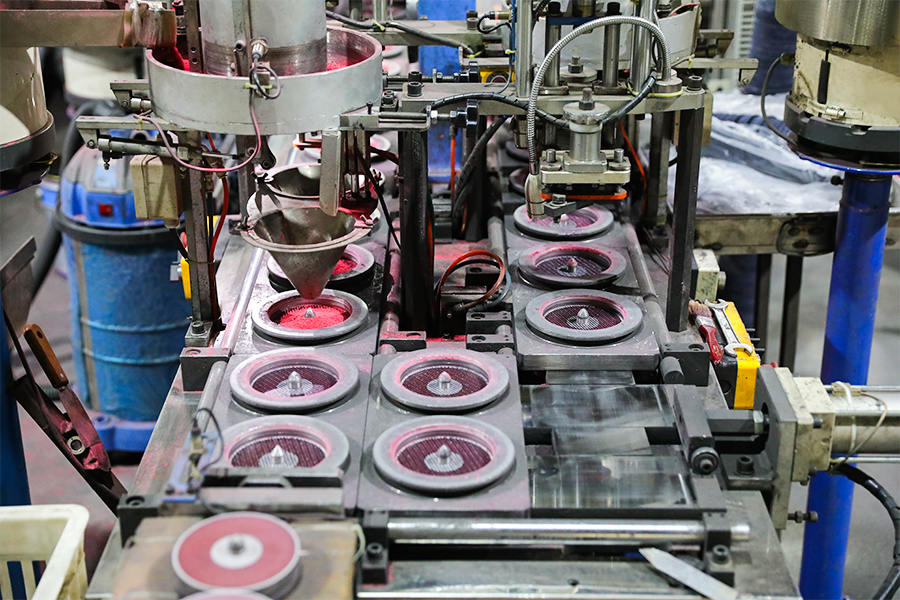
Flap discs are widely used in metal fabrication, welding, automotive repair, and industrial surface preparation. Their abrasive structure allows operators to remove material, smooth weld areas, and prepare surfaces with the same general tool category. However, procurement decisions involve more than choosing a disc diameter or comparing unit prices. Grit grade and backing plate material have a direct influence on the intended application, working characteristics, and purchasing requirements.
At Zhengbo, we understand that distributors and industrial buyers need clear specifications to match abrasive products with different processing tasks. Our grinding wheel flap discs purchasing discussions focus on abrasive selection, backing construction, disc shape, and application requirements. Understanding these factors helps buyers prepare more accurate product specifications before placing orders.
1. How Does Grit Size Affect Grinding Requirements?
Grit size describes the relative size of abrasive particles attached to the flap material. Coarser grades generally support faster material removal, while finer grades are used for blending and surface refinement.
Common flap disc grit options include P24, P36, P40, P60, P80, and P120, depending on the product range and applicable grading system.
- P24–P36: Suitable for demanding stock removal, heavy weld grinding, and rough surface treatment.
- P40–P60: Commonly used for general metal grinding, weld blending, and edge preparation.
- P80–P120: More suitable for surface refinement, finishing preparation, and removing relatively light surface imperfections.
These ranges are general procurement references rather than universal performance guarantees. The actual choice depends on workpiece material, grinder power, applied pressure, and required surface condition.
Buyers handling multiple fabrication processes may benefit from purchasing several grit grades instead of relying on a single specification. This approach allows distributors to serve customers with different material removal and finishing requirements.
2. Abrasive Grain Selection Should Match the Workpiece
Grit size alone cannot determine grinding performance. The abrasive grain composition also affects cutting behavior, wear characteristics, and suitability for different metals.
- Aluminum oxide: A common choice for general-purpose metalworking and steel surface preparation. It is suitable for various grinding and finishing applications.
- Zirconia alumina: Frequently used for demanding metal removal and higher-pressure grinding applications, including steel fabrication and weld processing.
- Ceramic alumina: Used in industrial applications requiring sustained abrasive cutting performance, including certain stainless steel and alloy processing tasks.
At Zhengbo, we recommend that buyers identify the workpiece material before confirming abrasive grain specifications. Stainless steel, carbon steel, and non-ferrous metals can have different processing requirements, so a single abrasive configuration may not suit every customer.
3. Fiberglass and Plastic Backing Plates Serve Different Needs
The backing plate supports the abrasive flaps and provides structural stability during operation. Its material influences rigidity, flexibility, vibration characteristics, and the way the disc wears during use.
Fiberglass Backing
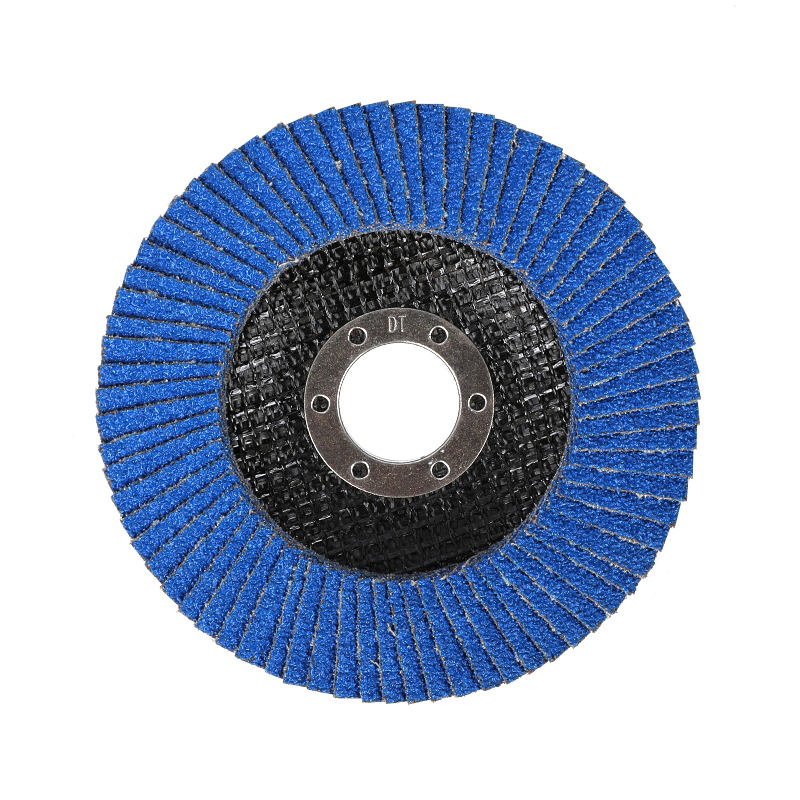
Fiberglass backing plates are commonly used in industrial flap discs because they combine relatively low weight with structural strength. Their construction can also help absorb vibration during grinding.
- Suitable for many general metal grinding applications.
- Provides stable support for the abrasive flaps.
- Commonly used in demanding stock removal operations.
- Wears along with the abrasive material during normal use.
Plastic Backing
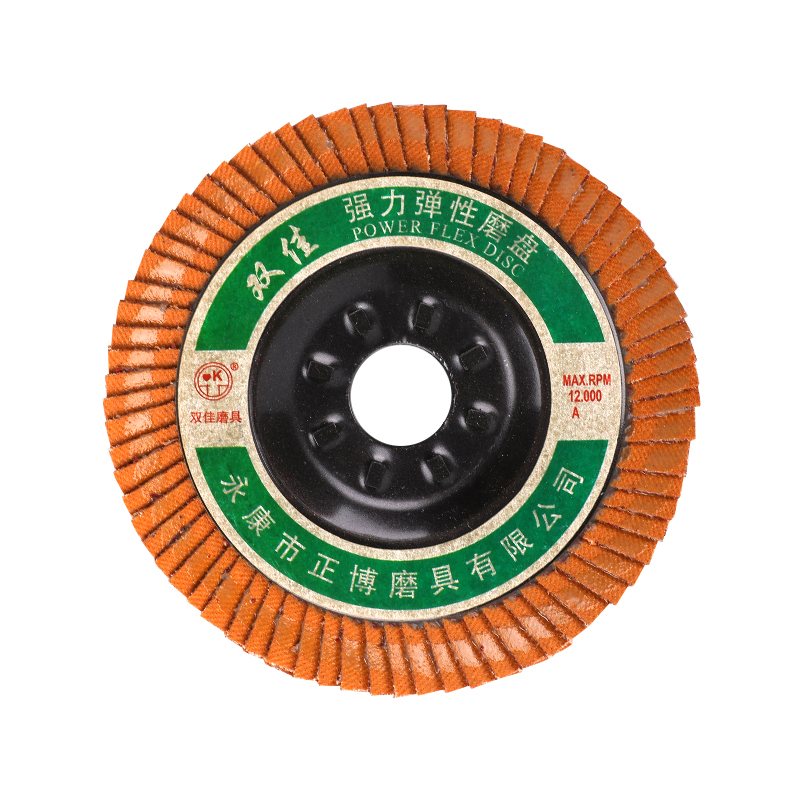
Plastic backing plates offer additional flexibility for certain applications. Some designs are trimmable, allowing users to expose additional abrasive material as the disc wears, subject to the manufacturer's instructions.
- Provides additional conformability on uneven surfaces.
- Can be suitable for applications requiring controlled surface contact.
- Certain designs allow trimming to extend usable abrasive material.
- Requires confirmation of temperature, speed, and operating limitations.
Neither material should be treated as universally suitable. Buyers should compare backing construction against the intended workload, operator requirements, and equipment conditions.
4. Disc Shape and Flap Density Also Influence Job Requirements
Backing material is only one part of the disc construction. Product shape and flap density also affect how the abrasive contacts the workpiece.
Two common configurations include:
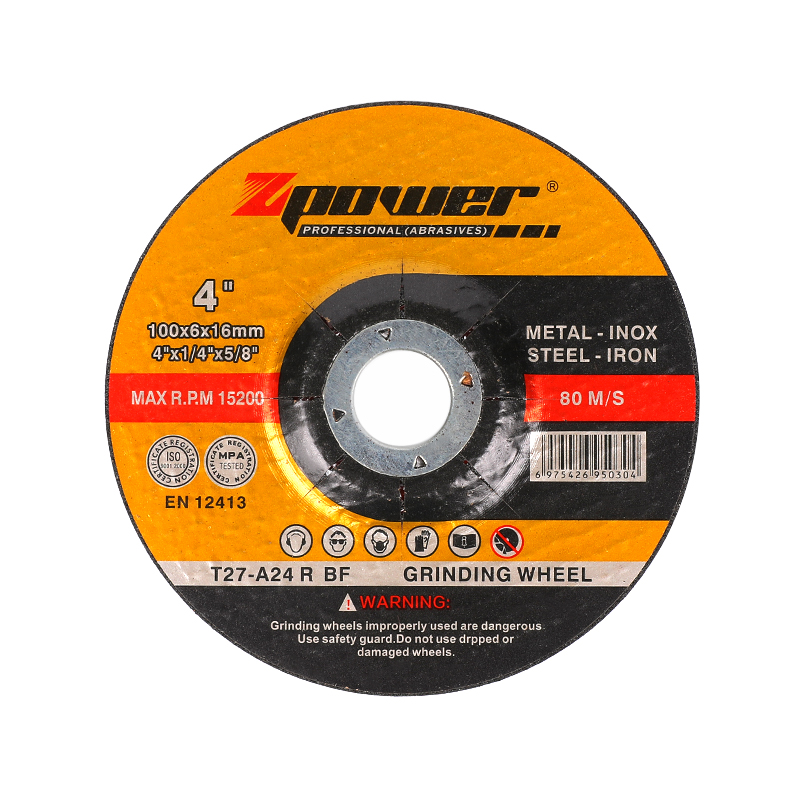
- Type 27 flat discs: Commonly used on flat surfaces and for blending or finishing operations. The typical working angle is approximately 0°–15°, subject to product instructions.
- Type 29 conical discs: The angled profile supports grinding on contoured areas and edges. A typical working angle is approximately 15°–25°, subject to the manufacturer's guidance.
Flap density also deserves attention. Standard-density products are commonly associated with heavy material removal, while high-density configurations can provide additional abrasive material and suit certain curved or uneven surfaces.
5. What Should Buyers Confirm Before Placing an Order?
Clear technical communication helps prevent specification differences between samples and bulk production. Zhengbo recommends preparing an application-based purchasing checklist before requesting a quotation.
- Workpiece material: Specify carbon steel, stainless steel, aluminum, or another material.
- Grit grade: Confirm the required abrasive grade and target surface condition.
- Abrasive grain: Identify aluminum oxide, zirconia alumina, ceramic alumina, or another available option.
- Backing material: Specify fiberglass or plastic according to the application.
- Disc configuration: Confirm Type 27 or Type 29, flap density, outer diameter, and bore size.
- Machine compatibility: Check rated RPM, maximum operating speed, and grinder mounting requirements.
- Packaging requirements: Confirm individual packaging, carton quantities, product labels, and private-label artwork where applicable.
Sample testing is also useful before confirming larger purchasing programs. Buyers can compare material removal, surface finish, wear behavior, and operator handling under representative working conditions.
Connect Abrasive Specifications with Actual Applications
Grit size and backing plate material are closely related to the requirements of industrial grinding operations. Coarse and fine abrasive grades serve different processing stages, while fiberglass and plastic backing plates offer different structural characteristics. Grain composition, disc shape, and flap density complete the specification picture.
At Zhengbo, we focus on helping distributors, wholesalers, and industrial buyers communicate these requirements clearly. A detailed product inquiry provides a practical starting point for discussing suitable flap disc configurations, sample evaluation, packaging, and OEM cooperation.
Contact Zhengbo through cuttingdiscfactory.com to discuss your flap disc purchasing requirements and develop product specifications around your customers' metalworking applications.

Quick Links
 Home
About us
 +86-13967457388/ +86-0579-87320615

 No. 49, Weitai Road, Phase II, Zhiying, Yongkang, Jinhua City, Zhejiang, China

Copyright © 2024. YONGKANG ZHENGBO ABRASIVES CO., LTD. All rights reserved.
Aluminum Grinder Blade Factory
