


 Eng
Eng 
 عربى
عربى
 Home / News / Industry News / Can a metal and wood polishing flap disc truly handle both materials without surface damage
 Can a metal and wood polishing flap disc truly handle both materials without surface damage
 2026.07.17
 Industry News
Metal and wood belong to two completely different processing categories. Metal surfaces require abrasive tools that can remove oxidation, weld marks, and machining defects, while wood demands controlled material removal to avoid deep scratches, burning, or uneven textures. This difference raises an important question: can one abrasive solution truly work across both materials without damaging the surface?
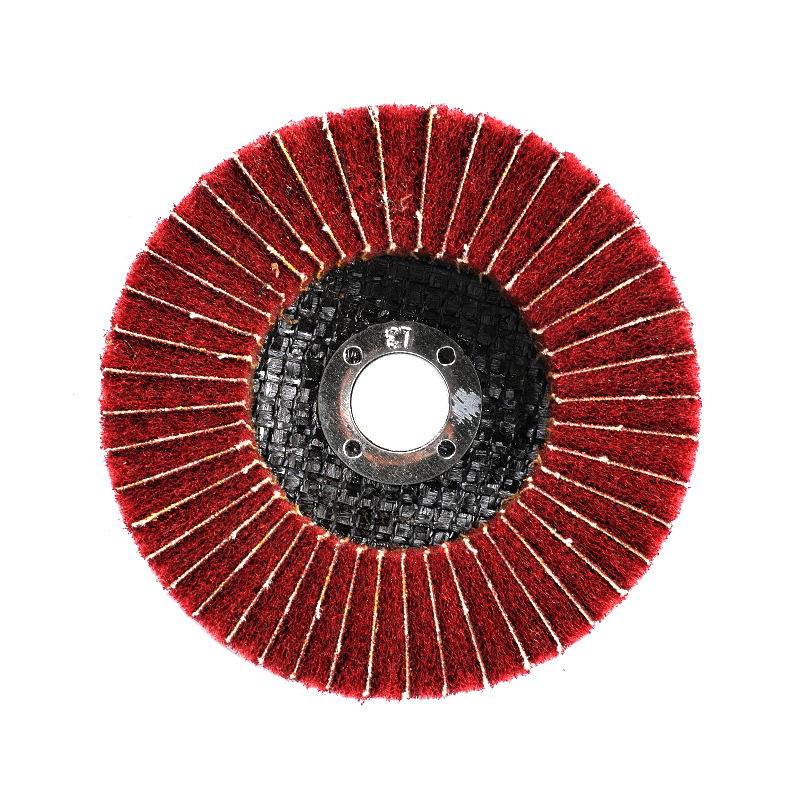
A Metal Wood Polishing Flap Disc is designed around flexible abrasive layers that adapt to different surface conditions. Unlike rigid grinding wheels, flap discs use overlapping abrasive cloth pieces arranged around a backing plate, allowing gradual contact between abrasive grains and the workpiece. This structure helps create smoother finishing results while reducing vibration and heat accumulation.
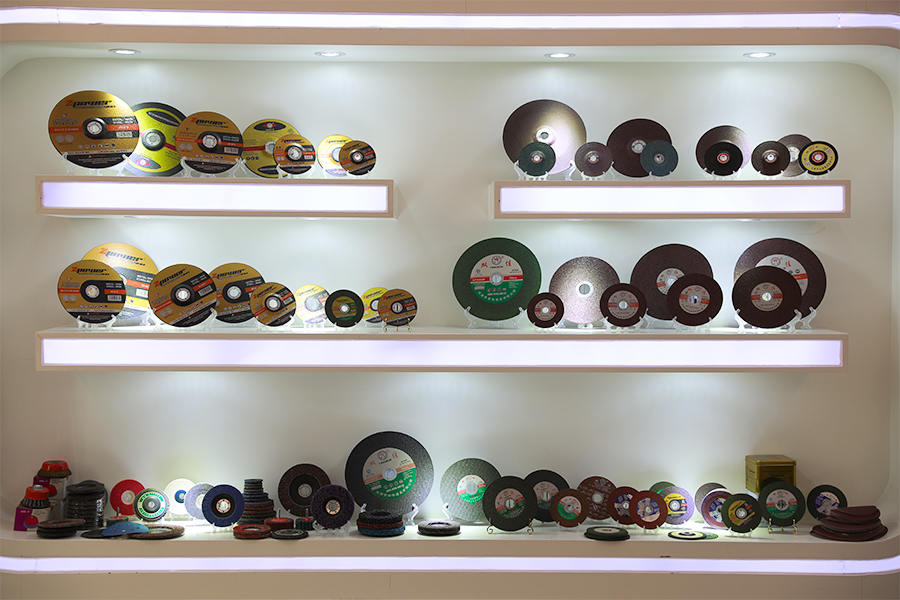
Why one flap disc can process different material surfaces
The versatility of a flap disc comes from its layered construction. Each abrasive flap works independently, creating a softer grinding action compared with traditional hard wheels.
- Flexible contact: abrasive flaps adjust to curved edges, irregular surfaces, and uneven areas.
- Controlled material removal: gradual abrasion reduces the possibility of aggressive surface gouging.
- Continuous abrasive exposure: worn particles are replaced by fresh abrasive grains beneath the surface layer.
These characteristics allow flap discs to be used for applications such as metal blending, weld smoothing, rust removal, wood shaping, and surface preparation. However, the disc specification and working method determine whether the final result is clean or damaged.
Metal applications require strength and heat control
Metal surfaces create higher mechanical resistance compared with wood. Stainless steel, carbon steel, and aluminum can quickly generate heat during grinding, especially under excessive pressure.
- Weld blending: flap discs smooth welding transitions without creating sharp surface marks.
- Rust removal: abrasive grains remove corrosion layers while maintaining surface control.
- Edge finishing: flexible flaps help refine sharp edges after cutting operations.
Metal processing commonly uses flap discs with abrasive materials such as aluminum oxide, zirconia, or ceramic grains. Different grain types influence cutting behavior, durability, and finishing ability.
Wood surfaces need a softer abrasive approach
Wood introduces different challenges because its structure contains fibers, pores, and moisture variations. A tool that works well on steel may remove too much material from softer timber.
- Softwood processing: requires lighter pressure to avoid uneven grooves.
- Hardwood finishing: benefits from medium and fine grit options for smoother texture.
- Paint or coating removal: controlled abrasion prevents unnecessary damage to the base material.
Using a flap disc on wood is possible, but operators need to consider grit selection, grinder speed, and pressure control. Excessive force can create burn marks or remove too much surface material.
Does abrasive grit determine surface quality?
Grit size has a direct influence on how aggressively the disc interacts with the surface. A lower grit number provides stronger stock removal, while a higher grit number creates finer finishing effects.
- 40 grit: suitable for heavy grinding, shaping, and removing rough defects.
- 60–80 grit: commonly used for general blending and surface preparation.
- 120 grit and above: suitable for lighter finishing work and smoother surfaces.
A workshop handling both metal fabrication and woodworking may use different grit options on the same flap disc platform to achieve different surface results.
How does backing material affect polishing performance?
The backing plate supports the abrasive flaps and influences flexibility, stability, and user control.
- Fiberglass backing: provides stronger support for heavier grinding applications.
- Nylon backing: offers flexibility and better adaptation to curved surfaces.
- Plastic backing: provides lightweight handling for lighter finishing operations.
A Metal Wood Polishing Flap Disc with flexible backing can reduce vibration during operation, making it easier to maintain consistent contact on different materials.
Common causes of surface damage during flap disc use
Surface damage usually comes from incorrect operating conditions rather than the flap disc design itself.
- Excessive pressure: forces abrasive grains deeper into the surface and increases heat.
- Incorrect grit selection: rough abrasives may leave unnecessary scratches on delicate materials.
- High grinder speed: excessive rotational speed can accelerate surface temperature increase.
- Wrong working angle: unstable contact may create uneven finishing patterns.
Maintaining moderate pressure and allowing the abrasive grains to work naturally helps protect both metal and wood surfaces.
Can one disc replace separate metal and wood sanding tools?
The answer depends on the application requirements. A flap disc can handle many mixed-material tasks, but it does not remove the need for specialized abrasives in precision applications.
- Construction projects involving metal frames and wooden components
- Furniture restoration requiring coating removal and surface smoothing
- Workshop maintenance involving different material repairs
- Custom fabrication where metal and wood parts are combined
For heavy metal removal or fine furniture finishing, dedicated abrasive solutions may still provide better control. A multi-purpose flap disc works best as a flexible option for general grinding and polishing tasks.
Finding the balance between versatility and precision
The ability of a Metal Wood Polishing Flap Disc to process both materials comes from its flexible structure, controlled abrasive action, and adjustable grit options. It can smooth steel welds, prepare wooden surfaces, and remove imperfections across different applications without automatically causing surface damage.
The key factor is not simply whether the disc can touch both materials, but whether the abrasive design matches the surface characteristics. Proper grit selection, suitable pressure, and correct operating technique allow one flap disc design to support diverse finishing tasks while maintaining surface quality.

Quick Links
 Home
Home
About us
 +86-13967457388/ +86-0579-87320615
 No. 49, Weitai Road, Phase II, Zhiying, Yongkang, Jinhua City, Zhejiang, China
Copyright © 2024. YONGKANG ZHENGBO ABRASIVES CO., LTD. All rights reserved.
Aluminum Grinder Blade Factory
