


 Eng
Eng 
 عربى
عربى
 Home / News / Industry News / Are high-efficiency metal abrasive cutting discs redefining fast fabrication results
 Are high-efficiency metal abrasive cutting discs redefining fast fabrication results
 2026.07.10
 Industry News
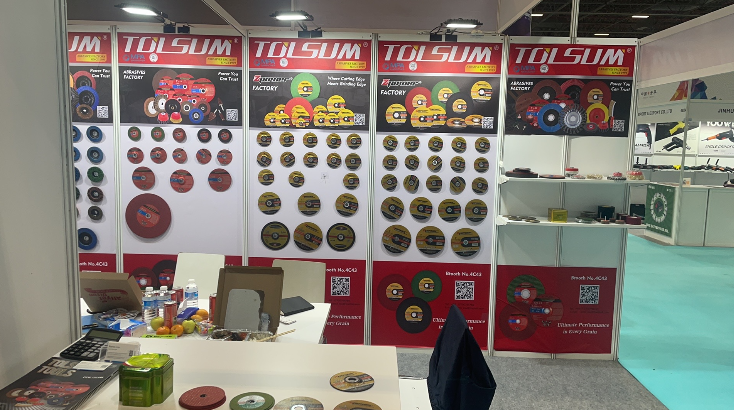
Metal fabrication has always depended on the balance between cutting speed, edge quality, tool life, and operating control. A cutting disc that removes material quickly but creates excessive heat, rough edges, or frequent replacements may not deliver practical value. Recent developments in abrasive grain technology and resin bonding systems have changed how professionals approach metal cutting tasks.
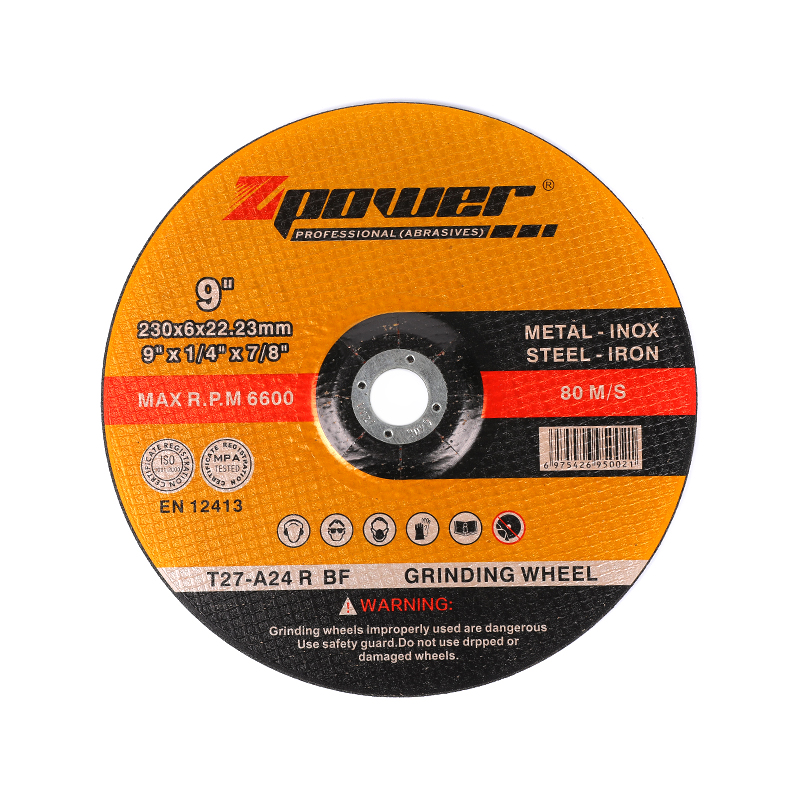
A High Efficient Metal Abrasive Cutting Disc is designed to improve material removal performance through optimized abrasive grain distribution, reinforced construction, and controlled cutting resistance. These discs are commonly used for carbon steel, stainless steel, pipes, profiles, and sheet metal processing. Resin-bonded cutting wheels often combine aluminum oxide abrasive grains with fiberglass reinforcement to maintain strength during high-speed operation.
Why cutting efficiency depends on more than disc speed
Many users associate faster fabrication with higher grinder speed, but the actual cutting result depends on several factors working together.
- Abrasive grain sharpness: sharper grains create cleaner penetration into metal surfaces.
- Bonding strength: resin bonding controls how long abrasive particles remain active before releasing.
- Disc structure: reinforcement layers improve stability during high-speed rotation.
Modern metal cut-off wheels often use aluminum oxide grain combined with resin bonding agents and fiberglass reinforcement to achieve fast cutting performance while maintaining disc integrity. Some industrial cutting wheels are designed around rotational speeds exceeding 10,000 rpm depending on diameter and application.
How thinner cutting designs influence fabrication work
One noticeable trend in metal processing is the increasing use of thinner abrasive discs. A thinner profile reduces the amount of material removed during each cut, which helps decrease resistance between the disc and workpiece.
- Lower cutting force: operators can achieve smoother movement with less pushing pressure.
- Reduced material waste: narrow kerf designs remove less metal from the cutting path.
- Cleaner edges: reduced friction helps limit burr formation.
However, thinner designs require proper handling because side pressure can affect disc stability. Reinforced resin-bonded structures help maintain safety during demanding fabrication operations.
The role of abrasive grain technology in cutting performance
The abrasive grain is the working component that directly contacts the metal surface. Its shape, hardness, and distribution influence cutting behavior.
- Aluminum oxide grains: commonly used for general metal cutting due to their balance of hardness and durability.
- Ceramic abrasive grains: designed for aggressive material removal and longer active cutting ability.
- Mixed abrasive formulations: developed to handle different metal conditions.
The interaction between grain fracture and resin release determines whether fresh cutting edges continue to appear during operation. A controlled wear pattern allows the disc to maintain cutting ability instead of becoming dull after repeated contact.
Can faster cutting reduce overall fabrication time?
Fabrication efficiency is not measured only by the seconds needed for a single cut. The entire workflow includes preparation, repositioning, edge cleanup, and disc replacement.
- Less cutting resistance: improves operator movement and reduces physical workload.
- Stable wear behavior: keeps cutting performance consistent across multiple operations.
- Reduced finishing work: cleaner cuts require fewer secondary grinding steps.
A fabrication workshop processing large quantities of steel components may benefit significantly from a disc that maintains predictable performance throughout repeated cutting cycles.
Heat control becomes a key factor in metal processing
Excessive heat remains one of the common challenges during abrasive cutting. High temperatures can affect both the cutting disc and the metal surface.
- Surface discoloration: stainless steel may develop heat marks after uncontrolled cutting.
- Abrasive glazing: excessive friction can reduce grain cutting activity.
- Bond degradation: high thermal stress may weaken resin structures.
A well-designed High Efficient Metal Abrasive Cutting Disc manages the balance between aggressive cutting action and controlled heat generation. Proper feed pressure and suitable grinder speed remain essential for maintaining stable performance.
Applications where high-efficiency discs create practical advantages
Different fabrication environments require different cutting characteristics. High-efficiency abrasive discs are commonly applied across various metalworking scenarios.
- Structural steel fabrication
- Stainless steel equipment manufacturing
- Pipe and tube processing
- Automotive repair and modification
- General maintenance workshops
For example, reinforced metal cut-off wheels are commonly engineered for cutting materials such as steel, stainless steel, angle iron, pipes, and other ferrous metals.
What factors should users evaluate before upgrading cutting discs?
Improving fabrication results requires matching the disc design with actual working conditions rather than focusing only on cutting speed.
- Material type: carbon steel and stainless steel require different abrasive characteristics.
- Machine compatibility: disc diameter, arbor size, and maximum rpm must match the grinder specification.
- Cutting frequency: heavy daily use requires stable wear performance.
- Finish requirements: precision applications may prioritize cleaner edges over aggressive removal.
Future direction of abrasive cutting technology
The development of metal abrasive discs is moving toward improved grain structures, stronger reinforcement systems, and better control over cutting behavior. Fabricators are no longer looking only for a disc that cuts through metal; they need a solution that supports consistent workflow, predictable results, and reduced downtime.
The growing adoption of High Efficient Metal Abrasive Cutting Disc products reflects a wider shift in fabrication toward smarter tool performance. Faster cutting remains important, but the real value comes from combining speed with stability, cleaner edges, and reliable operation across demanding metalworking environments.

Quick Links
 Home
Home
About us
 +86-13967457388/ +86-0579-87320615
 No. 49, Weitai Road, Phase II, Zhiying, Yongkang, Jinhua City, Zhejiang, China
Copyright © 2024. YONGKANG ZHENGBO ABRASIVES CO., LTD. All rights reserved.
Aluminum Grinder Blade Factory
